

Emergency & Help
24/7 Emergency & General Advisory
🚨 24/7 Medical Emergency
Non-Emergency Advisory
10:00 AM – 6:00 PM, Mon–Sat
For appointments & general queries.
24/7 Emergency & General Advisory
🚨 24/7 Medical Emergency
Non-Emergency Advisory
10:00 AM – 6:00 PM, Mon–Sat
For appointments & general queries.
Understand the meaning of BIPOC (Black, Indigenous, and People of Color), its origins, and its relevance in diverse societies like India. Learn how to use inclusive language.
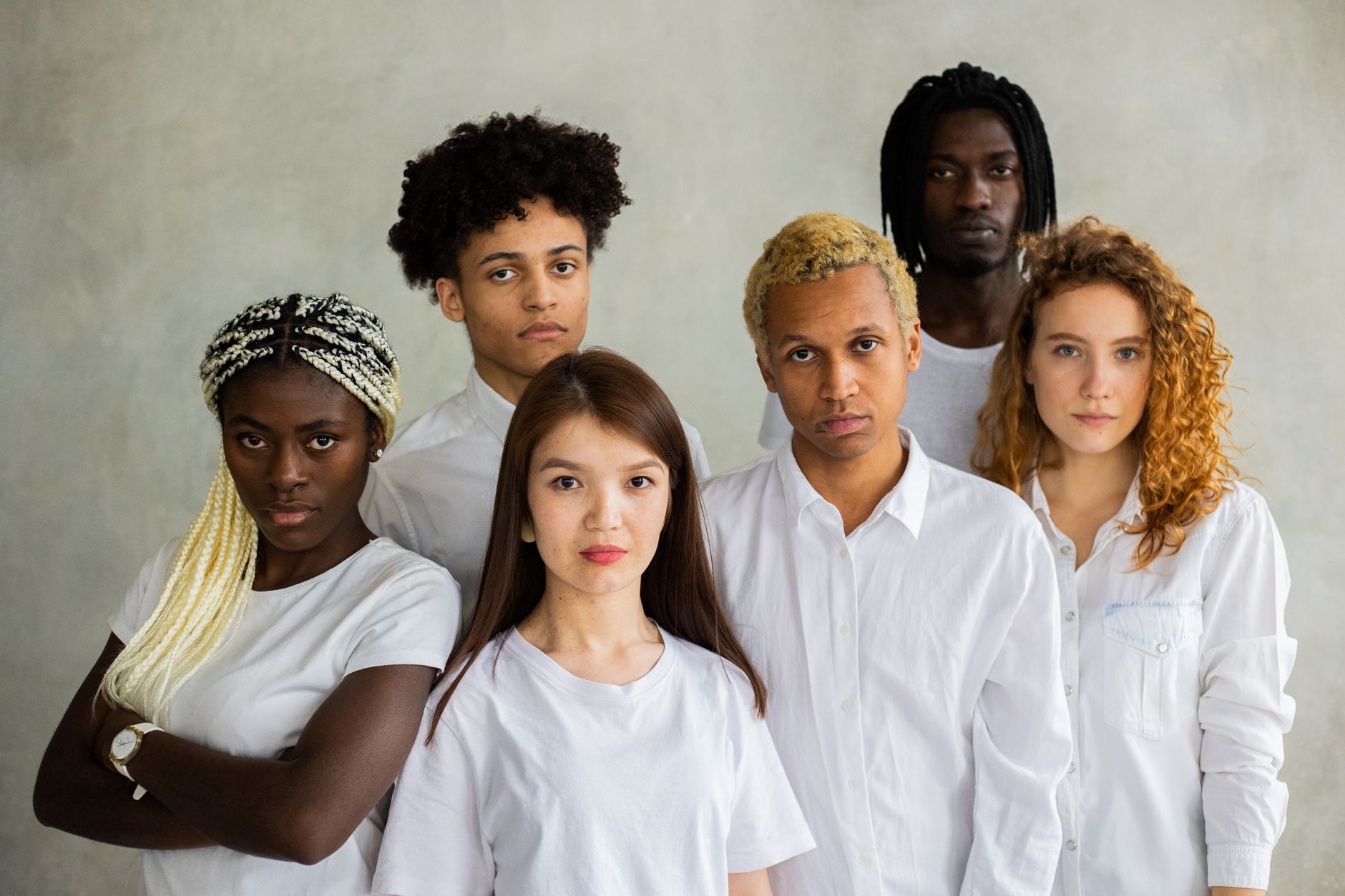
In today's interconnected world, understanding nuanced terminology is more important than ever. You've likely come across the acronym 'BIPOC' on social media or in discussions about social justice and equality. But what exactly does it mean, and how does it apply, especially in the diverse context of India? Let's break it down.
BIPOC is an acronym that stands for Black, Indigenous, and People of Color. It emerged as a more specific and intentional alternative to broader terms like 'marginalized' or 'minority.' While those terms can be factually correct, they sometimes lack a human touch and can inadvertently group diverse experiences under a single, often less empowering, umbrella.
The term BIPOC aims to highlight the unique struggles and histories of Black and Indigenous communities, recognizing that their experiences with systemic racism and historical oppression are distinct and require specific attention. It acknowledges that not all 'People of Color' face the exact same challenges or have the same historical context.
It's important to remember that these terms are broad. For instance, within India alone, there are hundreds of distinct tribal communities, each with its own unique history and culture. When referring to specific individuals or small groups, using their precise tribal or community name is always the most respectful and accurate approach.
The acronym 'BIPOC' gained traction in the early to mid-2010s and saw a significant surge in usage on social media around early 2020. This increase coincided with heightened global awareness of issues like police brutality against Black individuals and a broader call for social justice. The term provided a way to articulate specific injustices and advocate for those whose voices historically have been marginalized.
The use of 'BIPOC' isn't just about semantics; it's about recognition and intentionality. It allows for a more precise conversation about systemic inequalities. While racism and discrimination manifest in various forms, the historical legacies of slavery and genocide have had profound and specific impacts on Black and Indigenous communities. The term BIPOC helps to center these experiences.
In India, while the direct application of the term 'BIPOC' might differ due to its Western origins, the underlying principles are highly relevant. India grapples with its own complex histories of social hierarchy, discrimination, and marginalization based on factors like caste, religion, and tribal affiliation. Understanding terms like BIPOC can help us appreciate the global discourse on race and inequality, and reflect on how similar dynamics play out in our own society.
Imagine a community discussion about fair representation in media. Instead of using a general term like 'minority groups,' someone might specifically mention the need to include more stories from 'Black and Indigenous artists' (reflecting the global BIPOC context) or, more locally relevant, 'artists from Scheduled Castes and Scheduled Tribes.' This specificity ensures that the unique challenges and contributions of each group are acknowledged and addressed.
Many people wonder how to pronounce BIPOC. It's pronounced “buy pock” – with 'pock' rhyming with 'pocket.' You don't say each letter individually (B-I-P-O-C).
The decision to use 'BIPOC' or other terms depends on the context and audience. Generally, it's used in discussions focused on racial justice, equity, and the specific experiences of Black and Indigenous people, particularly within Western contexts.
In India, while the term itself might not be in common everyday use, the principle of acknowledging specific marginalized groups is vital. You might use terms like:
The key is to be as specific and respectful as possible. If you're unsure, it's always best to use person-first language and refer to people by their specific identities when known and appropriate.
One common misunderstanding is that BIPOC might mean 'Bisexual People of Color.' This is incorrect. The acronym specifically refers to the racial and ethnic identities of Black, Indigenous, and People of Color.
Understanding terms like BIPOC helps us engage in more informed and empathetic conversations about diversity, equity, and inclusion. While the term has Western origins, its core message – recognizing and centering the unique experiences of historically marginalized racial and ethnic groups – resonates globally. In India, this principle translates to a deeper appreciation for our own diverse communities and a commitment to addressing specific forms of discrimination. By using language thoughtfully and respectfully, we can foster a more inclusive society for everyone.
No, BIPOC is generally not considered offensive. It was created as a more inclusive and specific alternative to older terms. However, like any term, its reception can depend on the context and how it's used. The intention behind using it is typically to promote understanding and equity.
BIPOC specifically addresses race and ethnicity, with a focus on Black and Indigenous experiences in a Western context. Caste in India is a distinct system of social hierarchy and discrimination. While both systems involve marginalization, they are not directly interchangeable. However, the principle of acknowledging specific, historically oppressed groups is common to both concepts.
It depends on the context. If you are discussing global racial justice issues or referencing international discourse where BIPOC is commonly used, it might be relevant. However, when discussing issues specific to India, it is usually more accurate and respectful to use terms that reflect India's social realities, such as 'Adivasi,' 'Dalit,' or specific community names.
Visit Hospital
Near You

Check the list of medical colleges in Jharkhand 2026-27, including government, private and AIIMS institutions, MBBS seats and admission details.
August 20, 2026

MBBS NEET counselling Jharkhand 2026 is being conducted through the Jharkhand Combined Entrance Competitive Examination Board (JCECEB) for eligible NEET-UG candidates.
August 20, 2026

You can text fifty people a day and still feel completely alone. That's the frequent contact loneliness paradox, and it trips up a lot of people who assume loneliness is just about how often you talk to someone. This article looks at why frequency of contact and the actual feeling of connection are
August 10, 2026