

Emergency & Help
24/7 Emergency & General Advisory
🚨 24/7 Medical Emergency
Non-Emergency Advisory
10:00 AM – 6:00 PM, Mon–Sat
For appointments & general queries.
24/7 Emergency & General Advisory
🚨 24/7 Medical Emergency
Non-Emergency Advisory
10:00 AM – 6:00 PM, Mon–Sat
For appointments & general queries.
Understand what X-rays are, how they work, why they're used, and what to expect during and after the procedure. Learn about safety and preparation for this common medical imaging test.
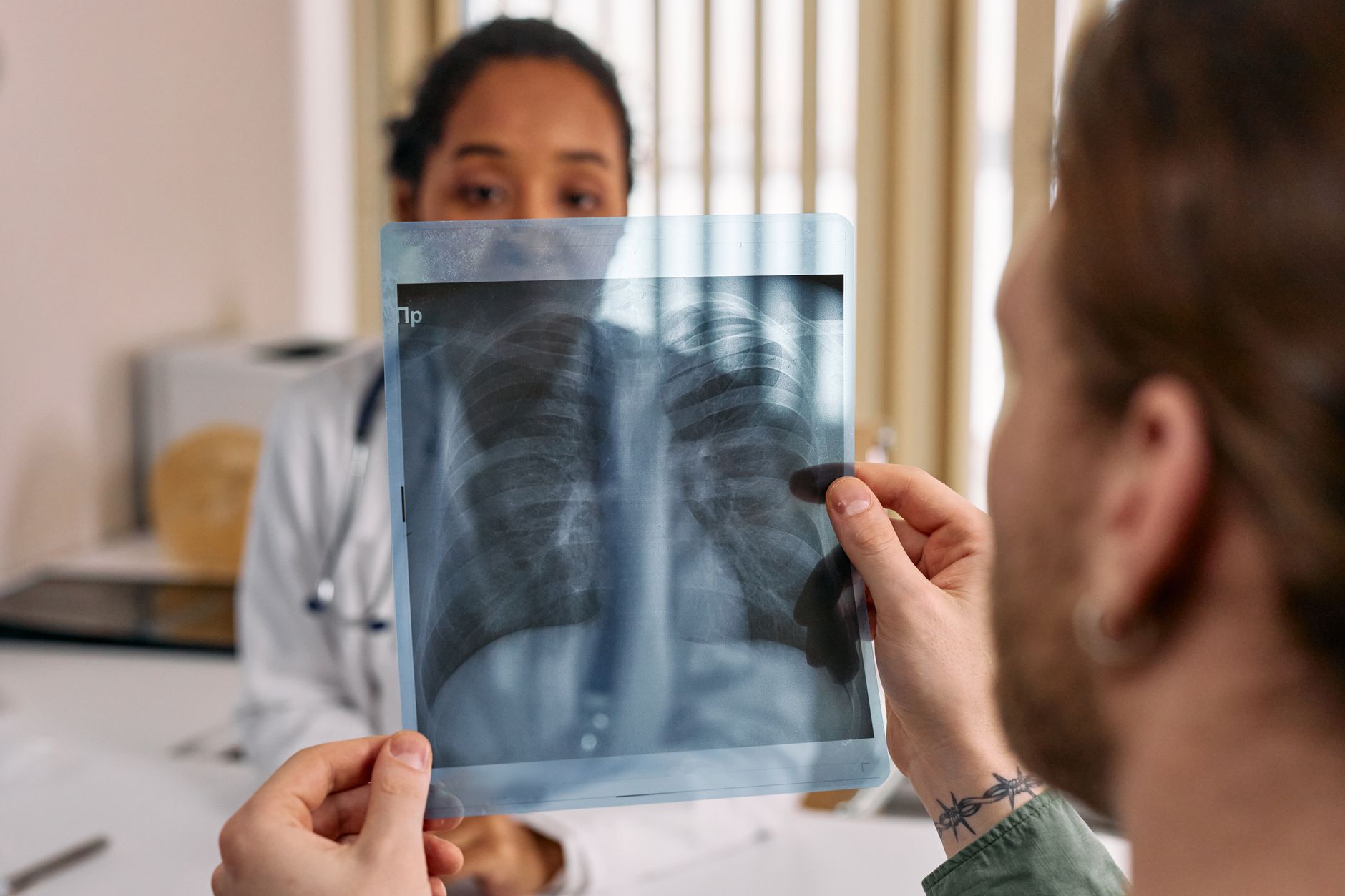
X-rays are a cornerstone of modern medicine, offering doctors a non-invasive window into the inner workings of your body. You've likely had one yourself, perhaps to check a broken bone or a persistent cough. But what exactly is an X-ray, and how does it work? This guide aims to demystify the process, explaining everything you need to know in clear, practical terms, especially for our readers in India. In essence, an X-ray is an imaging test that uses a small amount of radiation to create pictures of the inside of your body. Think of it like a special camera that can see through your skin and muscles to capture images of your bones and certain organs. This technology has been around for over a century and remains one of the most common diagnostic tools available to healthcare professionals. The procedure is generally quick and painless. For instance, a typical chest X-ray might only take about 15 minutes from start to finish. However, the exact duration can vary depending on which part of your body needs to be examined, the specific condition your doctor is investigating, and the quality of the images obtained. Sometimes, a few extra pictures might be needed to get the clearest view. How Does an X-ray Work? X-rays utilize electromagnetic radiation, similar to visible light but with much higher energy. When you undergo an X-ray, a machine directs a beam of these waves through the part of your body being examined. Different tissues and structures within your body absorb these waves at different rates. Dense structures, like bones, absorb a lot of the radiation. This means less radiation passes through them. On the resulting image, which is called a radiograph, these dense areas appear white. Less dense tissues, such as muscles, fat, and organs, allow more radiation to pass through them. Consequently, these appear in shades of grey or black on the X-ray image. This difference in absorption is what allows doctors to see details like bone fractures, foreign objects, or even abnormalities in organs like the lungs. Why Might Your Doctor Recommend an X-ray? Doctors use X-rays for a wide variety of reasons. It's a versatile tool that helps them diagnose, monitor, and manage many health issues. Here are some common scenarios: Investigating Pain or Discomfort: If you experience sudden pain after a fall, your doctor will likely order an X-ray to check for broken bones. Similarly, if you have persistent joint pain, an X-ray can reveal signs of arthritis or other joint problems. Diagnosing Infections: A chest X-ray is often used to identify pneumonia or tuberculosis, common respiratory infections in India. Detecting Tumors: While not always definitive, X-rays can sometimes show the presence of abnormal growths or tumors in bones or certain organs. Monitoring Disease Progression: For conditions like osteoporosis, where bones become brittle, regular X-rays help doctors track how the disease is progressing and whether treatment is effective. Evaluating Treatment Effectiveness: After surgery or a course of treatment, an X-ray can confirm that a fracture has healed properly or that a medical device is in the correct position. Checking for Foreign Objects: If a child accidentally swallows a small object, an X-ray can help locate it. Common Conditions Diagnosed with X-rays The applications of X-rays are extensive. Some of the most frequent conditions that lead to an X-ray recommendation include: Fractures and Dislocations: This is perhaps the most well-known use of X-rays. Arthritis: X-rays show changes in the joints, such as cartilage loss and bone spurs. Infections: Pneumonia, tuberculosis, and bone infections can often be seen on X-rays. Osteoporosis: While X-rays don't measure bone density directly, they can show the effects of severe osteoporosis, like vertebral compression fractures. Dental Problems: Dental X-rays are essential for detecting cavities, impacted teeth, and jaw issues. Digestive Issues: Sometimes, X-rays with contrast agents are used to examine the esophagus, stomach, or intestines. Certain Types of Cancer: X-rays can sometimes detect tumors in the lungs or bones. Preparing for Your X-ray The good news is that X-rays are typically very straightforward and require minimal preparation. In most cases, you won't need to do anything special beforehand. However, here are a few things to keep in mind: Clothing: Wear comfortable, loose-fitting clothing. You might be asked to change into a hospital gown if your clothing has buttons, zippers, or other metallic elements that could interfere with the image. Jewelry and Metal Objects: You'll need to remove any jewelry, eyeglasses, hearing aids, or other metallic items from the area being X-rayed. These can block the X-rays and create unclear images. Medical Implants: If you have any metal implants from previous surgeries, such as artificial joints or pacemakers, be sure to inform your doctor or the X-ray technician. These implants can affect the image quality. Pregnancy: If you are pregnant or suspect you might be, it is vital to tell your doctor before the X-ray. While the radiation dose is low, doctors will consider alternatives or take extra precautions if possible. Contrast Agents: In some specific cases, your doctor might use a contrast agent (dye) to help highlight certain parts of your body, like your digestive system or blood vessels. This is usually administered before the X-ray and might involve drinking a liquid or receiving an injection. You'll be given specific instructions if this is required. What Happens During an X-ray Procedure? An X-ray is usually performed by an X-ray technologist or a radiologist in a hospital's radiology department, a clinic, or even a dental office. Positioning: The technologist will guide you on how to position your body. This might involve standing, sitting, or lying down. They might ask you to hold certain positions for a short time. Protection: For certain X-rays, you might be given a lead apron or shield to protect parts of your body not being imaged from unnecessary radiation exposure. Image Capture: You'll be positioned between the X-ray machine and a special plate or detector. The technologist will then step out of the room to operate the machine. You'll be asked to hold very still, and sometimes even hold your breath for a few seconds, while the image is taken. This stillness is key to getting a clear picture. Duration: The actual exposure to X-rays is very brief, lasting only a fraction of a second. However, the entire process, including positioning and taking multiple images if needed, usually takes between 10 to 30 minutes. After Your X-ray Once the images are taken, the technologist will let you know when the procedure is complete. You can usually get dressed immediately and resume your normal activities unless your doctor advises otherwise. There are no special aftercare instructions required for standard X-rays, as the radiation passes through your body quickly and doesn't remain. Your X-ray images will then be reviewed by a radiologist, a doctor specially trained to interpret medical images. They will then send a detailed report to your referring doctor, who will discuss the results with you at a follow-up appointment or over the phone. Are X-rays Safe? Understanding the Risks It's natural to have concerns about radiation exposure. However, it's important to understand that X-rays use a very low dose of radiation. The benefits of getting an accurate diagnosis and appropriate treatment usually far outweigh the minimal risks associated with this type of radiation exposure. The amount of radiation used in a typical X-ray is comparable to the amount of natural background radiation you are exposed to over a few days. For context, a chest X-ray involves a radiation dose of about 0.1 millisieverts (mSv), while background radiation provides about 2.4 mSv per year. While there is a theoretical link between radiation exposure and an increased risk of cancer, the risk from a single X-ray is extremely small. Doctors and technologists take great care to ensure that only the necessary amount of radiation is used and that it is focused only on the area being examined. Special Considerations: For pregnant women, doctors are particularly cautious and will only recommend an X-ray if it's absolutely necessary for diagnosis and treatment, and they will take extra precautions to protect the fetus. Frequently Asked Questions (FAQs) Q1: Can I eat or drink before an X-ray? For most standard X-rays, such as a chest or limb X-ray, you can eat and drink normally beforehand. If your X-ray involves the digestive system and requires a contrast agent, your doctor will provide specific fasting instructions. Q2: How long does it take to get X-ray results? Typically, the X-ray images are reviewed by a radiologist within a few hours to a day. Your doctor will then receive the report and will discuss the findings with you, usually within a day or two of the X-ray, depending on your follow-up schedule. Q3: Can I have an X-ray if I have a metal implant? Yes, you can still have an X-ray if you have metal implants. However, it's crucial to inform the X-ray technician and your doctor about any implants, as they can create shadows on the
In summary, timely diagnosis, evidence-based treatment, and prevention-focused care improve long-term health outcomes.
Visit Hospital
Near You

Check the list of medical colleges in Jharkhand 2026-27, including government, private and AIIMS institutions, MBBS seats and admission details.
August 20, 2026

MBBS NEET counselling Jharkhand 2026 is being conducted through the Jharkhand Combined Entrance Competitive Examination Board (JCECEB) for eligible NEET-UG candidates.
August 20, 2026

You can text fifty people a day and still feel completely alone. That's the frequent contact loneliness paradox, and it trips up a lot of people who assume loneliness is just about how often you talk to someone. This article looks at why frequency of contact and the actual feeling of connection are
August 10, 2026