Pigmentation Treatment in Kolkata
Learn about pigmentation treatment in Kolkata, including causes, symptoms, treatment options, benefits, and prevention tips from skin experts.
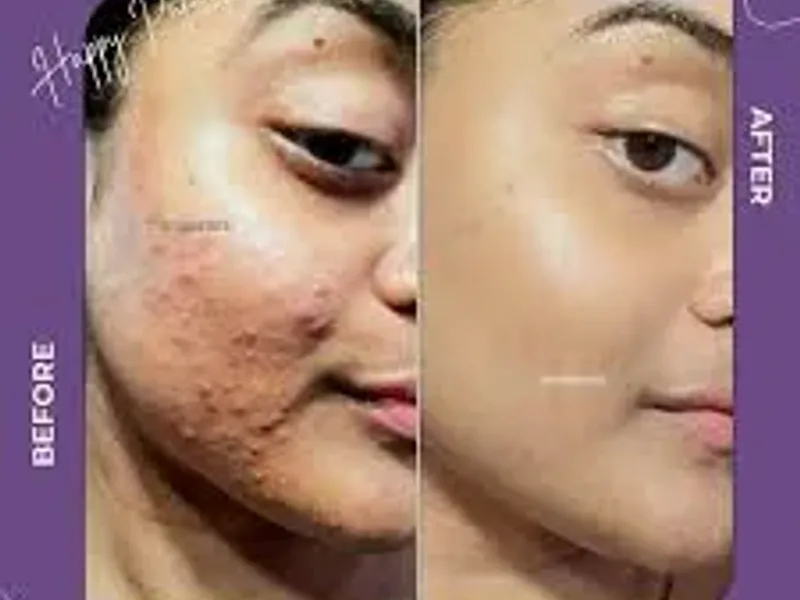
Pigmentation Treatment in Kolkata
Pigmentation is one of the most common skin concerns seen in both men and women. It usually appears as dark patches, uneven skin tone, tanning, or spots on the face and body. Many people in Kolkata seek professional help for pigmentation caused by sun exposure, hormonal changes, acne marks, or aging.
Modern pigmentation treatment in Kolkata includes dermatologist-guided therapies such as chemical peels, laser treatments, topical creams, and medical skincare plans. The right treatment depends on the type and severity of pigmentation, as well as the patient’s skin type.
What Is Skin Pigmentation?
Skin pigmentation refers to changes in skin color caused by excess melanin production. Melanin is the natural pigment responsible for skin color. When melanin production becomes uneven, dark patches or spots may appear.
Common types of pigmentation include:
• Melasma
• Sunspots or age spots
• Post-inflammatory hyperpigmentation (after acne or injury)
• Freckles
• Tanning-related pigmentation
Pigmentation may develop gradually and can worsen without proper skincare and sun protection.
Common Causes of Pigmentation
Several internal and external factors can trigger pigmentation problems. Understanding the cause helps dermatologists recommend the most suitable treatment.
Major causes include:
• Excessive sun exposure
• Hormonal changes during pregnancy
• Acne scars and skin inflammation
• Aging and environmental damage
• Certain medications
• Stress and lack of sleep
• Improper cosmetic use
• Genetic skin conditions
In a city like Kolkata, high humidity, pollution, and strong sunlight may increase the risk of uneven skin tone and tanning.
Symptoms and Signs of Pigmentation
Pigmentation can appear differently depending on the underlying cause. Some people notice mild discoloration, while others develop larger dark patches.
Common symptoms include:
• Brown or gray patches on the face
• Uneven skin tone
• Dark spots after acne
• Tanning on exposed skin areas
• Pigmented patches around cheeks, forehead, or upper lip
• Dull-looking skin texture
If pigmentation spreads quickly or changes in appearance, it is important to consult a qualified dermatologist for evaluation.
Pigmentation Treatment Options in Kolkata
Dermatologists in Kolkata offer several advanced and non-surgical treatments for pigmentation. A personalized treatment plan is usually recommended after skin analysis.
1. Topical Medications
Prescription creams and serums may help reduce mild pigmentation.
Common ingredients include:
• Hydroquinone
• Retinoids
• Azelaic acid
• Kojic acid
• Vitamin C
• Niacinamide
These medications should only be used under medical supervision to avoid skin irritation.
2. Chemical Peels
Chemical peels remove damaged outer skin layers and improve skin tone over time.
Benefits may include:
• Reduction in dark spots
• Brighter skin appearance
• Smoother texture
• Improved acne marks
Mild to medium-depth peels are commonly used for pigmentation management.
3. Laser Pigmentation Treatment
Laser therapy targets excess melanin and helps reduce stubborn pigmentation patches.
Laser treatments may help with:
• Melasma
• Sunspots
• Acne pigmentation
• Age spots
The number of sessions depends on the skin condition and treatment response.
4. Microdermabrasion and Medi-Facials
These treatments help exfoliate dead skin cells and support skin renewal.
They may improve:
• Mild pigmentation
• Dull skin
• Uneven texture
• Superficial tanning
These procedures are often combined with dermatologist-recommended skincare routines.
Benefits of Professional Pigmentation Treatment
Professional treatment can offer safer and more effective results compared to home remedies or over-the-counter products.
Key benefits include:
• Personalized skin assessment
• Scientifically approved treatments
• Better management of stubborn pigmentation
• Reduced risk of skin damage
• Improved skin texture and tone
• Guidance on long-term skincare
A dermatologist can also identify whether the pigmentation is linked to hormonal or medical conditions.
Tips to Prevent Pigmentation
Prevention plays an important role in maintaining healthy and even-toned skin. Daily skincare habits can reduce the risk of recurring pigmentation.
Prevention tips:
• Use broad-spectrum sunscreen every day
• Avoid direct sun exposure during peak hours
• Wear hats or protective clothing outdoors
• Avoid picking acne or skin injuries
• Follow a dermatologist-approved skincare routine
• Stay hydrated and maintain a balanced diet
• Avoid harsh cosmetic products
Consistent sun protection is especially important in Kolkata’s hot and humid climate.
When Should You Visit a Dermatologist?
Some pigmentation issues may not improve with regular skincare products. Early medical consultation can help prevent worsening.
You should consult a dermatologist if:
• Pigmentation becomes darker or spreads
• Home remedies are not effective
• You notice sudden skin discoloration
• Acne marks remain for a long time
• Pigmentation affects your confidence or daily life
A dermatologist may recommend skin analysis and customized treatment based on your skin type and medical history.
FAQs
1. Is pigmentation treatment safe?
Yes, dermatologist-guided pigmentation treatment is generally safe when performed using medically approved methods and skincare products.
2. How many sessions are needed for laser pigmentation treatment?
The number of sessions varies depending on the type and severity of pigmentation. Some patients may need multiple sessions for visible improvement.
3. Can pigmentation return after treatment?
Yes, pigmentation may return if proper skincare and sun protection are not followed. Maintenance care is important.
4. Which treatment is best for melasma?
Treatment depends on skin type and severity. Dermatologists may recommend topical medications, chemical peels, or laser therapy.
5. Are home remedies effective for pigmentation?
Some mild cases may improve slightly, but professional evaluation is recommended for persistent or severe pigmentation.
Conclusion
Pigmentation is a common but manageable skin concern. With proper diagnosis and dermatologist-guided care, many people can improve uneven skin tone and reduce dark patches safely. Treatments such as chemical peels, laser therapy, and medical skincare plans are widely available in Kolkata.
Choosing a qualified dermatologist and following a consistent skincare routine can help achieve healthier and clearer-looking skin over time.
Author: Doctar Team