Joint Pain in Menopause: Causes and Relief
Aching joints during menopause? Here's why estrogen loss triggers joint pain, how to tell it apart from arthritis, and what actually helps.
Joint Pain in Menopause: Causes and Relief
Somewhere around her late 40s, a woman wakes up and her knees feel like they belong to someone twenty years older. Her fingers are stiff before her first cup of tea. She assumes it's just age catching up. Often, it isn't just age — it's menopause.
Joint pain doesn't get nearly as much airtime as hot flashes or mood swings, but it's one of the most commonly reported menopause symptoms. Some studies estimate that well over half of women going through the menopause transition notice new or worsening joint aches. The exact number varies by study, so it's worth treating that as a general trend rather than a precise figure.
Why Estrogen Has So Much to Do With It
Estrogen isn't just a reproductive hormone. It also has a protective effect on joint tissue, helping to keep inflammation in check and supporting the cartilage that cushions your bones where they meet.
When estrogen levels drop during perimenopause and menopause, that protection fades. Joints can become more sensitive to inflammation, cartilage may wear down a little faster, and the fluid that lubricates joints can thin out. The result is stiffness, aching, and sometimes swelling — often worse in the morning or after sitting still for a while.
This condition even has an informal name in some medical circles: menopausal arthralgia. It's not a single disease. It's more of an umbrella term for joint pain that shows up alongside other menopause symptoms and tends to ease, at least partly, once hormone levels stabilize.
Which Joints Usually Take the Hit
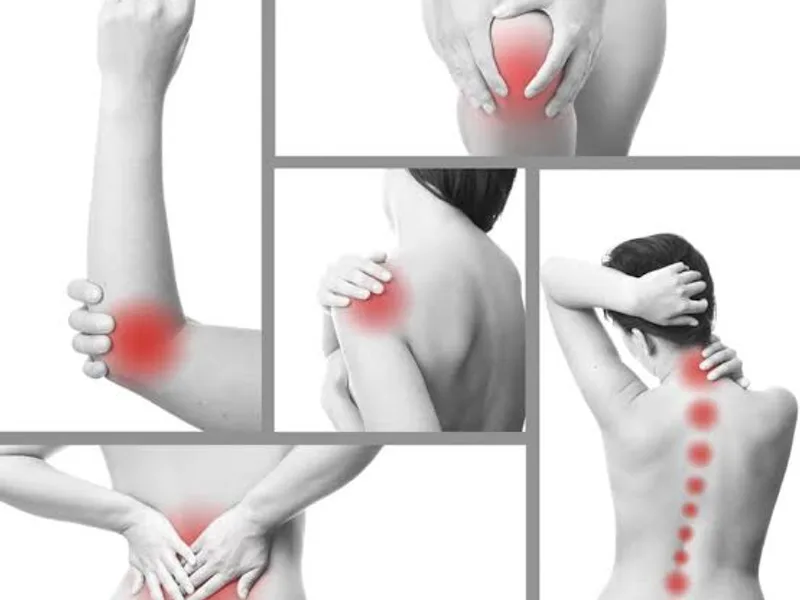
It's rarely just one joint. Women commonly describe pain in the knees, hips, hands, shoulders, and neck. The hands are a particularly telling clue — stiffness in the small finger joints, especially in the morning, comes up again and again in patient reports.
Is that a coincidence? Not really. Estrogen receptors exist in joint tissue throughout the body, so when hormone levels shift, the effect isn't confined to one spot.
Menopause Pain or Something Else?
Here's where it gets tricky, and where a lot of women — and honestly, some clinicians too — get it wrong. Menopausal joint pain can look a lot like early osteoarthritis or even rheumatoid arthritis on the surface.
In clinical practice, this overlap is often missed because joint pain in a woman in her late 40s or 50s gets filed under "getting older" without anyone asking about her menstrual history or other menopause symptoms. That's a mistake. If the joint pain started around the same time periods became irregular, or came with hot flashes, night sweats, or sleep changes, hormones are worth investigating before assuming it's simple wear and tear.
Rheumatoid arthritis, unlike menopausal joint pain, usually involves visible swelling, warmth, and symmetrical pain — the same joints on both sides of the body. It's also linked to specific markers doctors can test for in blood work. If your pain comes with real swelling or redness, that's a signal to get it checked rather than wait it out.
What Actually Helps
There's no single fix, but a few approaches consistently make a difference.
Movement, even when it's the last thing you want to do. Gentle, regular exercise — walking, swimming, cycling — keeps joints lubricated and slows muscle loss around them. Strength training two or three times a week also matters more than people expect; stronger muscles take pressure off the joints they support.
Weight matters, but not in a punishing way. Extra weight adds direct load to knees and hips. Even modest changes in body weight have been linked to noticeably less knee pain in people with joint issues. This isn't about chasing a number on the scale — it's about reducing daily strain.
Anti-inflammatory eating patterns. Diets rich in vegetables, fish, nuts, and olive oil — the same style often called a Mediterranean pattern — are associated with lower inflammation markers. It's not a cure, but it's a reasonable, low-risk habit to build.
Medical options are worth a real conversation. Hormone replacement therapy helps some women with joint symptoms, though it's not prescribed for joint pain alone and comes with its own risk-benefit conversation depending on age and health history. Over-the-counter anti-inflammatories can help short term, but they're not meant for long-term daily use without medical guidance. A gynecologist can assess whether hormonal changes are driving the pain, while an orthopedist or rheumatologist can rule out joint-specific disease.
When to See a Doctor
Don't wait it out if you notice visible swelling, warmth, or redness in a joint, pain that's worse on one side only in a way that doesn't shift, or stiffness that doesn't ease up as the day goes on. Sudden, severe joint pain also deserves prompt medical attention rather than a wait-and-see approach.
A general physician is a reasonable first stop if you're not sure which specialist you need — they can point you toward gynecology, rheumatology, or orthopedics based on what they find. A physiotherapist can also help build a safe movement plan if pain is limiting your daily activity.