

Real Food Budget Cooking Trend: Eat Well for Less
The real food budget cooking trend is bringing simple, affordable ingredients back to the kitchen. Learn how to cook nutritious meals without overspending.
What Is the Real Food Budget Cooking Trend?
The real food budget cooking trend is not a formal diet. It is a cooking approach built around inexpensive, minimally processed ingredients and meals prepared at home.
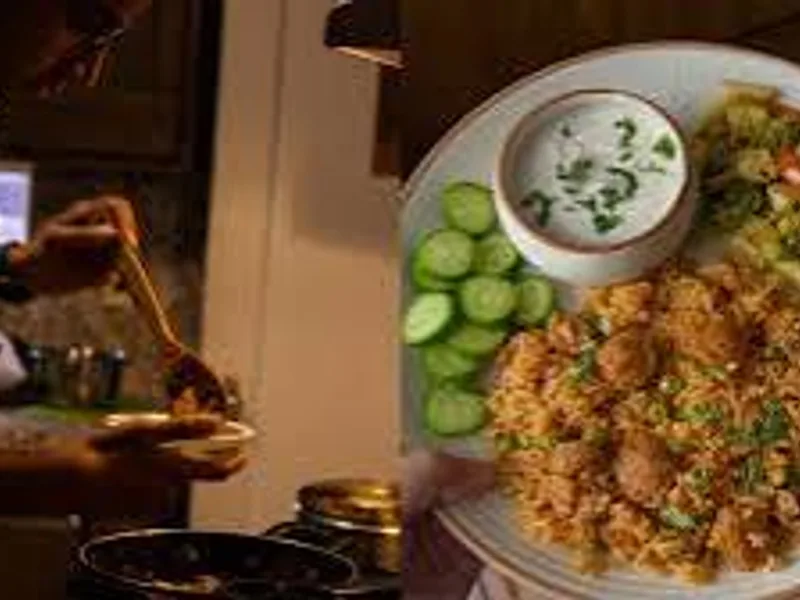
Think dal instead of an expensive ready-to-eat meal. Think seasonal vegetables instead of imported produce. A pot of khichdi, a vegetable pulao or chana curry can feed several people without requiring a long shopping list.
The idea has gained attention because "healthy eating" is often presented as expensive. In reality, some of the most useful foods in an everyday Indian kitchen are also affordable.
Budget-friendly healthy eating for Indian households makes a similar point, highlighting seasonal produce, affordable proteins and meal preparation as practical ways to manage food costs.
Why Are People Returning to Real Food?
Food prices can change quickly, but cooking at home gives families more control over where their money goes.
A packet of lentils can become dal, khichdi, soup or a filling addition to vegetables. Rice can be paired with beans, eggs or vegetables in several different meals. This flexibility matters when the grocery budget is limited.
There is also a health reason behind the trend. Many basic foods provide fiber, protein, vitamins and minerals without relying heavily on added sugar, salt or highly processed ingredients.
The 11 most nutrient-dense foods for a healthy Indian diet covers affordable staples such as leafy greens, lentils, legumes, nuts and seeds.
Budget Cooking Does Not Mean Eating Less
A cheap diet and a nutritious diet are not the same thing.
Someone can spend very little on food by relying heavily on refined carbohydrates, sugary snacks or packaged foods. That may reduce the grocery bill today but does not necessarily provide a balanced diet.
A better strategy is to make inexpensive foods do more work.
Build Meals Around Affordable Staples
Indian kitchens already have many useful budget ingredients: rice, atta, dal, chana, rajma, potatoes, seasonal vegetables, eggs, curd and locally available fruits.
Whole grains and legumes can also provide useful combinations of carbohydrate, protein and fiber. The guide to nutrient-dense Indian foods explains why lentils and legumes are valuable parts of an everyday diet.
For more on protein choices, see 17 protein-rich foods for a healthier Indian life.
Buy Seasonal Produce
Seasonal vegetables are often easier to find and can be less expensive than produce that is out of season.
That does not mean you need to buy every vegetable at the market. Choose two or three that look fresh and fit your budget, then build meals around them.
Traditional Indian cooking makes this easier because the same vegetable can appear in dal, sabzi, pulao, soup or a mixed curry.
The guide to cultural foods and healthy Indian eating also explains why familiar regional foods can remain part of a balanced diet.
Meal Planning Is the Quiet Money-Saver
Meal planning sounds dull until you see what happens to the grocery bill when there is no plan.
A simple weekly outline can prevent duplicate purchases and reduce food that sits unused in the refrigerator. It also makes leftovers easier to reuse.
The meal planning guide for Indian households recommends planning meals and shopping around that plan.
You do not need to plan every meal perfectly. Even deciding which dal, vegetables and grains you will use during the week can make cooking easier.
For beginners, meal prep for healthy eating in India offers practical ideas for batch cooking and using staples across several meals.
Cook Once, Use Ingredients Twice
The real food budget cooking trend works best when ingredients are reused intelligently.
Cook extra dal and turn part of it into a thicker lentil preparation the next day. Roast or sauté vegetables in a larger batch and use them with rice, roti or eggs. Cooked chickpeas can become curry, salad or a filling for wraps.
This is different from eating the same plate every day. The ingredients stay familiar while the meals change.
For people with limited time, quick and healthy meal hacks for busy Indians covers simple approaches such as batch cooking and one-pot meals.
Quick and healthy breakfast ideas for busy Indian mornings also includes practical options using ingredients such as oats, sprouts and besan.
Make Healthy Food Taste Like Real Food
Budget cooking should not mean bland cooking.
Spices, garlic, ginger, onions, tomatoes, lemon and fresh herbs can transform inexpensive ingredients. The goal is not to make every meal "diet food." It is to make ordinary food satisfying enough that expensive takeout becomes less tempting.
Eat Up: Simple Strategies for Healthy Eating in India discusses simple home-cooked meals, smart snacks and practical meal planning.
And if you want to use familiar Indian dishes, Cultural Foods: A Delicious Path to Healthy Eating for Indians offers useful guidance on portions, cooking methods and vegetable-rich meals.
What About Weight Loss?
The real food budget cooking trend is sometimes promoted online as a weight-loss solution. That claim needs some caution.
Eating more home-cooked food can make it easier to control ingredients and portions, but real food is not automatically low-calorie. Nuts, oils, rice, potatoes and other nutritious foods can still contribute substantial energy when portions are large.
Setting smart weight-loss goals for Indians focuses on sustainable habits rather than extreme restriction.
Understanding daily calorie needs for weight management in India explains why energy requirements differ from one person to another.
A budget cooking trend should therefore be judged by the overall quality and balance of the diet, not by whether it promises rapid weight loss.
Real Food Can Support Heart and Gut Health
A diet centered on vegetables, whole grains, legumes, nuts and other minimally processed foods can fit well with general heart-healthy eating principles.
The heart-healthy foods guide discusses fruits, vegetables, whole grains, legumes, nuts and healthy fats.
For people concerned about cholesterol, eating for a healthy heart and managing high cholesterol provides more specific dietary context.
Fiber matters too. The essential guide to a high-fiber diet explains the role of fiber-rich foods in a balanced diet.
Gut health can also benefit from food variety. Probiotic foods for a healthy gut looks at foods such as curd and their place in digestive health.
In clinical practice, this is often missed because people focus on the price of individual foods rather than the overall pattern of eating. A cheap meal made mostly from one refined staple is not necessarily nutritionally better than a slightly more varied meal containing dal, vegetables and a whole grain.
Budget Cooking for People With Diabetes
A lower grocery bill should not come at the cost of disease management.
People with diabetes may need to pay particular attention to carbohydrate portions, meal balance and individual dietary needs. Foods such as rice, roti, dal and fruit can still fit into a diabetes-friendly eating pattern, but the right choices vary by person.
Eating well with diabetes: a practical guide for Indians discusses traditional Indian foods, portion awareness and balanced meals.
The blood-sugar-friendly meal guide provides further context.
People with diabetes or other medical conditions should speak with a doctor or registered dietitian before making major dietary changes.
Affordable Food Should Still Be Enjoyable
There is a cultural side to this trend that deserves more attention.
Budget cooking often brings people back to foods they already know: dal, seasonal shak, khichuri, chana, eggs, rice, roti and homemade curd. That familiarity can make healthy habits easier to maintain.
Food, culture and respect makes a similar argument: healthy eating should not require people to abandon culturally meaningful foods.
There is no prize for making a meal complicated. Sometimes the most sensible dinner is simply the one you can afford, cook regularly and enjoy.


