

Emergency & Help
24/7 Emergency & General Advisory
🚨 24/7 Medical Emergency
Non-Emergency Advisory
10:00 AM – 6:00 PM, Mon–Sat
For appointments & general queries.
24/7 Emergency & General Advisory
🚨 24/7 Medical Emergency
Non-Emergency Advisory
10:00 AM – 6:00 PM, Mon–Sat
For appointments & general queries.
Understand the ADA drain fluid test – what it is, why it's important, and how it helps diagnose joint issues.
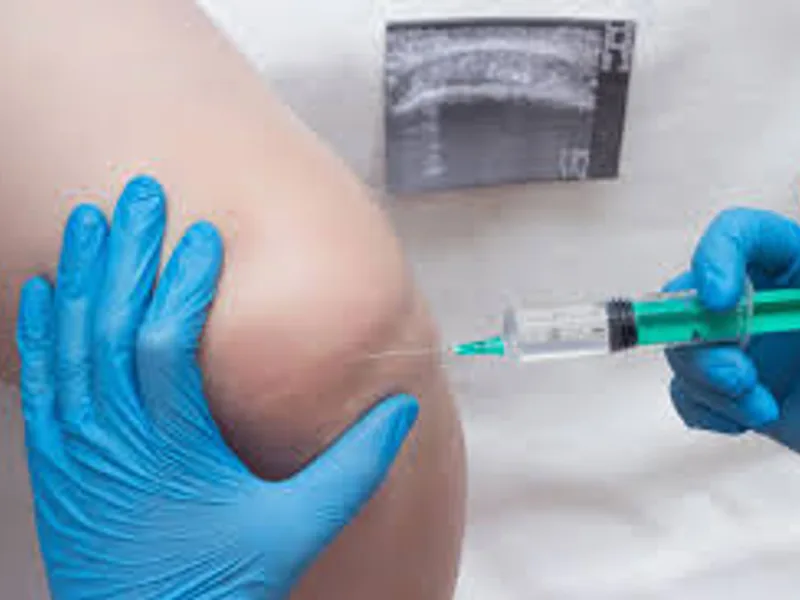
When joint pain strikes, diagnosing the exact cause is paramount. Physicians often turn to various diagnostic tools, and one such crucial test is the ADA drain fluid test. This analysis provides vital clues about the health of your joints, particularly when conditions like osteoarthritis or inflammatory arthritis are suspected.
The ADA drain fluid test, also known as synovial fluid analysis, involves examining the fluid inside a joint. This fluid, called synovial fluid, acts as a lubricant and shock absorber for your joints.
When a joint is inflamed or infected, the composition of this fluid changes significantly. Collecting this fluid typically involves a procedure called arthrocentesis, where a needle is used to withdraw a sample.
Synovial fluid analysis is a key diagnostic step for several reasons. It helps physicians differentiate between various types of joint problems.
The reality is, symptoms like swelling and pain can overlap across different conditions, making precise diagnosis challenging without laboratory analysis. This test provides objective data that aids in pinpointing the underlying issue.
The numbers don't lie.
Several parameters are assessed in the synovial fluid sample:
Cell Count: The number of white blood cells (WBCs) is a vital indicator. High WBC counts often suggest inflammation or infection.
Crystal Analysis: This looks for the presence of crystals, which are characteristic of conditions like gout (uric acid crystals) or pseudogout (calcium pyrophosphate crystals).
Gram Stain and Culture: These tests identify bacteria if an infection (septic arthritis) is suspected, guiding antibiotic therapy.
Glucose and Protein Levels: Deviations from normal can indicate inflammation or infection.
ADA Levels: Adenosine deaminase (ADA) levels can be particularly helpful in distinguishing between different types of inflammatory arthritis, especially tuberculosis arthritis. Elevated ADA levels may point towards this specific type of infection.
Physicians may recommend this analysis in several scenarios. If you present with sudden, severe joint pain and swelling, especially if accompanied by fever, an infectious cause like septic arthritis needs to be ruled out quickly.
What most people miss is that even less acute but persistent joint pain can warrant this investigation.
Diagnosing inflammatory arthritis, such as rheumatoid arthritis.
Identifying the cause of gout or pseudogout.
Detecting septic arthritis (joint infection).
Evaluating unexplained joint swelling or pain.
In many cases, the findings from this test are pivotal in establishing a definitive diagnosis. What should you actually do? If you're experiencing persistent joint issues, discuss this diagnostic option with your doctor.
Arthrocentesis is a relatively straightforward procedure. Before the needle is inserted, the skin over the affected joint is cleaned thoroughly, and a local anesthetic is applied to numb the area. This helps minimize discomfort. The physician then carefully inserts a sterile needle into the joint space to withdraw synovial fluid.
The entire process usually takes only a few minutes. After the fluid is collected, the sample is sent to a laboratory for analysis. What's the bottom line here? The procedure itself is quick and helps gather essential diagnostic information.
The numbers don't lie.
Interpreting the results requires the expertise of a qualified physician. A normal synovial fluid has a clear to slightly yellow appearance and low cell counts. Elevated white blood cell counts, the presence of crystals, or positive cultures for bacteria all point towards specific pathological processes.
For instance, a very high WBC count with cloudy fluid might strongly suggest septic arthritis, requiring immediate attention. Conversely, the presence of needle-shaped, negatively birefringent crystals points towards gout.
Living with chronic joint conditions can be genuinely hard. Many of us have experienced or know someone who has dealt with the limitations imposed by persistent joint pain and stiffness. Whether it's the simple act of walking up stairs or enjoying a game of carrom, joint health impacts daily life profoundly.
Understanding your diagnosis through tests like the ADA drain fluid analysis is the first step towards effective management. Experienced specialists, adhering to guidelines from institutions like the World Health Organization (WHO), use these results to tailor the best possible care plan for you.
And yet, so many people miss it.
Once a diagnosis is established, various treatment approaches can help manage signs and improve joint function. These might include medications (like NSAIDs or disease-modifying antirheumatic drugs), physical therapy, lifestyle modifications (such as weight management and appropriate exercise), and in some cases, surgical interventions.
The goal is always to reduce pain, prevent further joint damage, and enhance your quality of life. This proactive approach, supported by accurate diagnostics, is vital for long-term well-being.
ADA stands for Adenosine Deaminase. Measuring ADA levels in synovial fluid can be crucial for diagnosing certain types of inflammatory arthritis, particularly tuberculosis arthritis, which is more common in regions like India. Elevated ADA levels are often indicative of this specific infectious process.
While the ADA drain fluid test isn't the primary diagnostic tool for osteoarthritis, it plays a supportive role. It primarily helps rule out inflammatory or infectious causes of joint pain and swelling, which can sometimes coexist with or mimic osteoarthritis.
The analysis of cell counts and crystals is particularly useful in this differential diagnosis.
Discomfort during arthrocentesis is usually minimal. Local anesthesia is administered to numb the skin and the area around the joint before the needle is inserted.
Most people report only a brief stinging sensation from the anesthetic and then a feeling of pressure as the fluid is withdrawn. Physicians experienced in the procedure aim to make it as comfortable as possible.
That's the part worth remembering.
The turnaround time for synovial fluid analysis can vary depending on the specific tests ordered and the laboratory's workload. Routine tests like cell counts and crystal analysis might be available within 24-48 hours.
Cultures to detect infection can take several days to weeks to yield results. Your doctor will inform you about the expected timeframe for receiving your results.
Always consult a qualified physician before making medical decisions.
Visit Hospital
Near You
Find top health checkup centres in Rajpur Sonarpur. Book appointments easily with Doctar for essential health screenings. Enhance your well-being today.
May 19, 2026
Find top knee replacement hospitals in Madhepura. Expert care, advanced procedures, and recovery support for your joint health.
May 19, 2026
Discover how to find the best surgeon in Motihari. Expert advice on choosing a specialist for your healthcare needs.
May 19, 2026