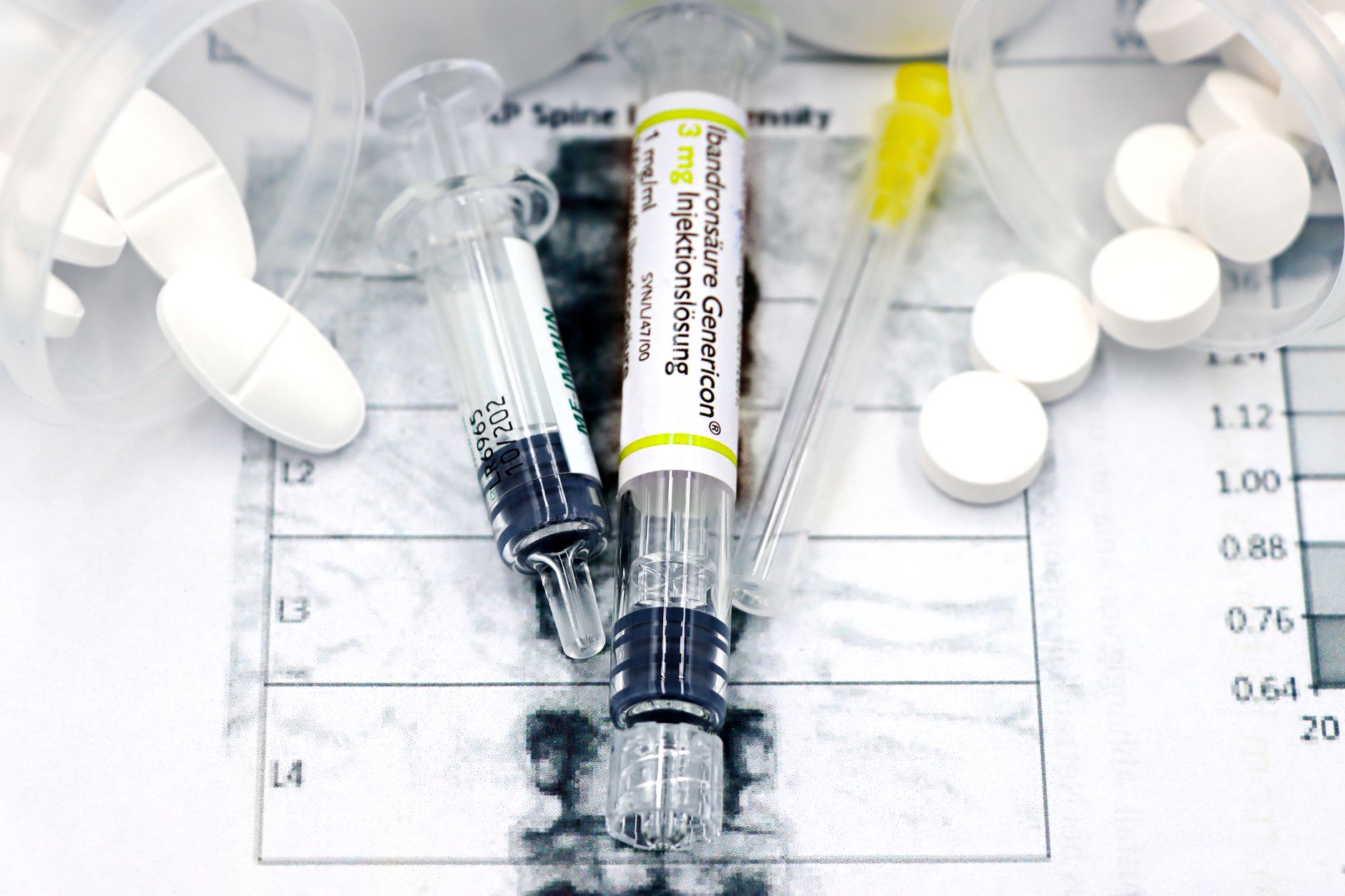
Understanding Bone Density: T-Score vs. Z-Score for Osteoporosis Osteoporosis is a silent condition that weakens bones, making them more prone to fractures. Early detection and monitoring are crucial for managing this condition. Bone density screenings, particularly those using Dual-energy X-ray absorptiometry (DEXA or DXA) scans, provide vital information about bone health. These scans generate two key scores: the T-score and the Z-score. Understanding what these scores mean is essential for individuals at risk of or living with osteoporosis. This article will delve into the specifics of T-scores and Z-scores, how they are interpreted, and their significance in diagnosing and managing osteoporosis, with a focus on relevance for Indian readers. What is Bone Density and Why is it Important? Bone density refers to the amount of mineral content, primarily calcium and phosphorus, within your bones. Higher bone density generally means stronger, healthier bones. As we age, bone density naturally tends to decrease, increasing the risk of conditions like osteopenia (low bone mass) and osteoporosis (severe bone loss). Osteoporosis is a significant public health concern globally, and India is no exception. Factors like genetics, diet, lifestyle, and hormonal changes contribute to bone health. Regular monitoring through bone density tests helps healthcare providers assess an individual's risk of fractures and guide treatment decisions. The DEXA Scan: A Window into Bone Health The DEXA scan is the gold standard for measuring bone mineral density (BMD). It is a quick, painless, and non-invasive procedure that uses low-dose X-rays to measure bone density at specific sites, typically the hip and spine. Sometimes, peripheral DEXA scans are used to assess bone density in the heel, forearm, wrist, or finger, especially if central scans are not feasible due to implants or other issues. The results of a DEXA scan are presented as T-scores and Z-scores, which are comparative measures. These scores help doctors interpret your bone density in the context of different reference populations. Understanding the T-Score The T-score is the primary score used to diagnose osteoporosis. It compares your bone mineral density (BMD) to the average BMD of a healthy, young adult of the same sex. The comparison is expressed in standard deviations (SD). T-score of -1.0 or higher: This indicates normal bone density. T-score between -1.0 and -2.5: This indicates osteopenia, a condition where bone density is lower than normal but not yet severe enough to be classified as osteoporosis. T-score of -2.5 or lower: This indicates osteoporosis. A T-score below -2.5 suggests a significantly increased risk of fractures. The T-score is particularly useful for assessing the risk of osteoporosis in postmenopausal women and men aged 50 and older, as it reflects the potential for bone loss that occurs with aging and hormonal changes. Understanding the Z-Score The Z-score compares your BMD to the average BMD of people in your age group, taking into account your sex and body mass index (BMI). It is expressed as a standard deviation from the average for your peers. Z-score of -2.0 or lower: This suggests that your bone density is lower than expected for someone of your age and sex. Z-score above -2.0: This is generally considered within the normal range for your age group. The Z-score is especially helpful in evaluating bone density in: Children Younger adults Pre-menopausal women Men under 50 A low Z-score in these groups might indicate secondary causes of bone loss, such as certain medical conditions, medications, or lifestyle factors. If a young person has a low Z-score, further investigation is often recommended to identify the underlying cause. Interpreting Your Scores: What They Mean for You It's important to remember that T-scores and Z-scores are just one part of the picture. Your doctor will consider these scores along with your medical history, lifestyle, family history, and other risk factors to make a diagnosis and treatment plan. For example: A postmenopausal woman with a T-score of -2.8 has osteoporosis and a high risk of fracture. A younger woman with a Z-score of -2.2 might have a secondary cause for her low bone density, and her doctor will investigate further. The U.S. Preventive Services Task Force (USPSTF) recommends bone density scans for women aged 65 and older, and for younger postmenopausal women with increased risk factors for osteoporosis. While these are international guidelines, Indian healthcare providers often follow similar recommendations, adapting them based on local prevalence and risk factors. Causes of Low Bone Density Several factors can contribute to low bone density: Age: Bone density naturally declines with age. Hormonal Changes: Decreased estrogen levels in women after menopause and lower testosterone levels in men can accelerate bone loss. Genetics: A family history of osteoporosis increases your risk. Diet: Insufficient intake of calcium and Vitamin D is a major contributor. Lifestyle: Smoking, excessive alcohol consumption, and a sedentary lifestyle can negatively impact bone health. Medical Conditions: Certain conditions like hyperthyroidism, rheumatoid arthritis, celiac disease, and inflammatory bowel disease can affect bone density. Medications: Long-term use of corticosteroids (like prednisone), certain anti-seizure drugs, and some cancer treatments can lead to bone loss. Diagnosis and When to Consult a Doctor The primary diagnostic tool is the DEXA scan, which provides the T-score and Z-score. Your doctor will use these scores, along with a clinical assessment, to diagnose osteopenia or osteoporosis. You should consult a doctor if: You are a woman over 65 or a man over 70. You are a postmenopausal woman under 65 with risk factors for osteoporosis.
In summary, timely diagnosis, evidence-based treatment, and prevention-focused care improve long-term health outcomes.