Navigating Medicare Coverage for Eyelid Surgery: What You Need to Know
Eyelid surgery, medically known as blepharoplasty, is a common procedure that can address both cosmetic concerns and functional impairments. For many individuals, especially older adults, drooping eyelids can significantly affect vision and quality of life. This often leads to a crucial question: Does Medicare cover eyelid surgery? The answer isn't a simple yes or no; it largely depends on whether the surgery is deemed medically necessary rather than purely cosmetic. Understanding Medicare's rules and requirements is essential for anyone considering this procedure.
This comprehensive guide will delve into the nuances of Medicare coverage for blepharoplasty, helping you understand when the procedure might be covered, what conditions qualify, and what documentation you'll need. We'll explore the distinction between functional and cosmetic surgery, outline the diagnostic process, and provide insights into the appeals process if your claim is initially denied.
What is Eyelid Surgery (Blepharoplasty)?
Blepharoplasty is a surgical procedure that involves removing excess skin, fat, and muscle from the eyelids. It can be performed on the upper eyelids, lower eyelids, or both.
Types of Blepharoplasty:
- Upper Blepharoplasty: Focuses on the upper eyelids, often addressing drooping skin that can hang over the eyelashes.
- Lower Blepharoplasty: Targets the lower eyelids, typically to reduce puffiness, bags, and wrinkles below the eyes.
Reasons for Eyelid Surgery:
- Cosmetic Reasons: Many people opt for blepharoplasty to achieve a more youthful and refreshed appearance. This includes reducing signs of aging like sagging skin, fine lines, and under-eye bags.
- Functional Reasons: In some cases, excess skin and fat on the upper eyelids can obstruct a person's field of vision, making daily activities difficult. This is where Medicare coverage becomes a possibility.
Medicare's Stance on Eyelid Surgery: Medical Necessity is Key
Medicare, the federal health insurance program for people aged 65 or older, certain younger people with disabilities, and people with End-Stage Renal Disease, generally covers services and supplies that are considered medically necessary. This fundamental principle is critical when it comes to eyelid surgery.
Key Principle: Medicare typically covers procedures that are essential for diagnosing or treating a health condition, injury, or illness. It does not cover procedures performed purely for cosmetic reasons.
For eyelid surgery to be covered by Medicare, it must be determined that the procedure is not solely for aesthetic improvement but rather to correct a functional impairment that negatively impacts the patient's health or daily activities.
Understanding Medical Necessity for Eyelid Surgery
When does eyelid surgery cross the line from cosmetic enhancement to medical necessity? Several factors and diagnostic criteria are considered.
Symptoms That May Indicate Medical Necessity:
If you experience any of the following symptoms due to drooping eyelids, it's crucial to discuss them with your doctor:
- Obstructed Vision: The most common and direct indicator. Excess upper eyelid skin can hang over the pupil, blocking peripheral or even central vision.
- Difficulty Reading: Having to tilt your head back to see the page clearly.
- Difficulty Driving: Impaired vision, especially looking up or at side mirrors.
- Eye Strain and Fatigue: Constant effort to lift the eyelids can lead to tired eyes, headaches, and brow ache.
- Interference with Daily Activities: Problems with hobbies, work, or other routine tasks because of limited vision.
- Dermatitis or Irritation: Skin folds can trap moisture, leading to skin irritation or infection.
Common Causes of Medically Necessary Eyelid Conditions:
Two primary conditions often lead to functional impairment requiring blepharoplasty:
- Dermatochalasis: This is the presence of excess, baggy skin on the upper eyelids. Over time, the skin loses elasticity, stretches, and droops. When this excess skin hangs low enough to interfere with vision, it becomes medically significant.
- Ptosis: This refers to the drooping of the upper eyelid itself, where the eyelid margin (the edge of the eyelid) falls lower than it should. Ptosis is typically caused by weakness or detachment of the levator muscle, which is responsible for lifting the eyelid. Severe ptosis can significantly block vision.
Diagnosis and Documentation Requirements for Coverage:
To establish medical necessity, your doctor, typically an ophthalmologist or oculoplastic surgeon, will need to perform specific tests and gather thorough documentation. This evidence is critical for Medicare approval.
Diagnostic Steps:
- Comprehensive Eye Exam: To assess overall eye health and identify the cause of the drooping.
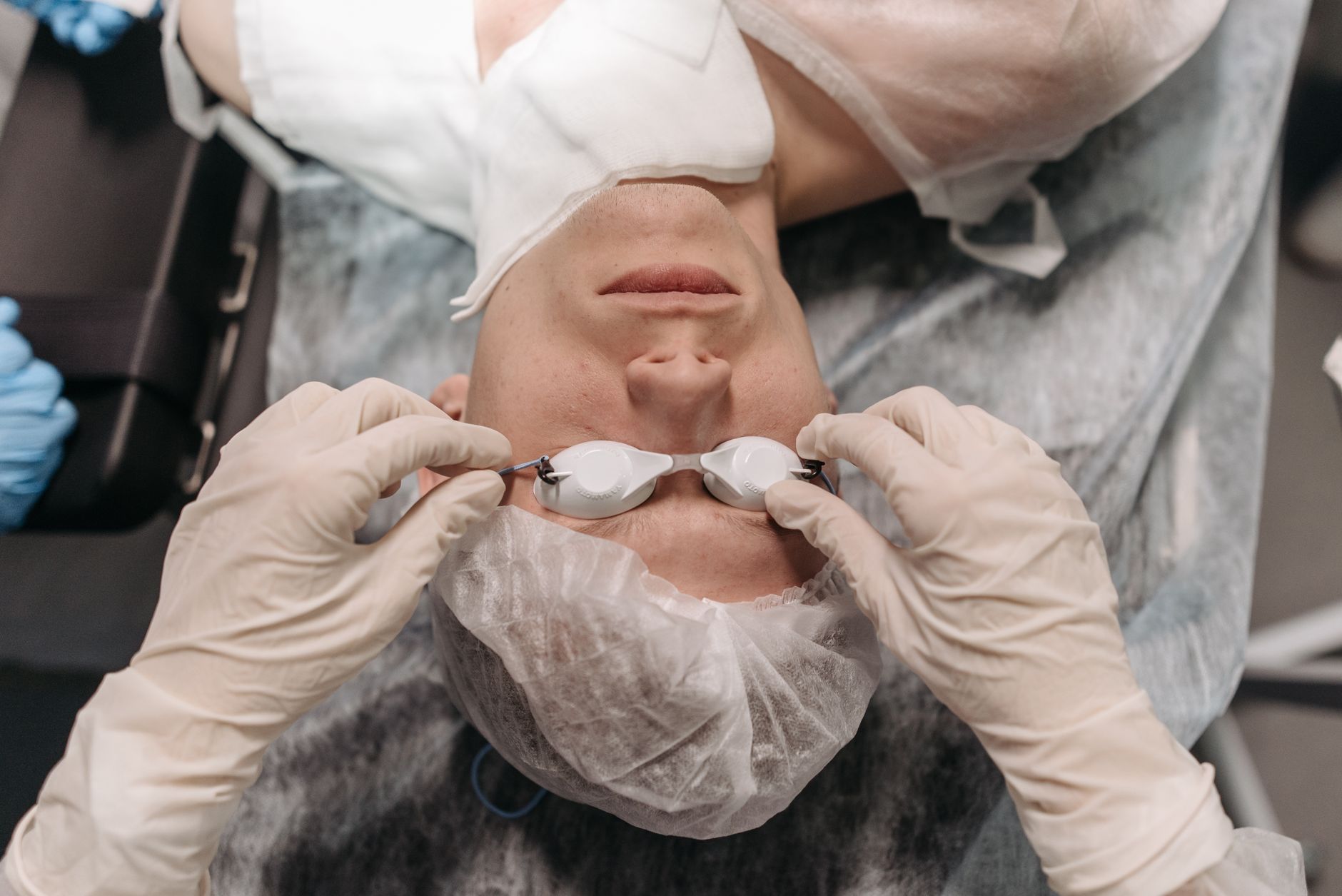
- Visual Field Testing (Perimetry): This is a key test. It measures your peripheral vision. The test is usually performed twice: once with your eyelids in their natural drooping position and once with your eyelids taped up to simulate the post-surgical result. A significant improvement in the visual field when the eyelids are taped up helps demonstrate the functional impairment. Medicare often has specific criteria regarding the percentage of visual field reduction required for coverage (e.g., a 30% reduction in the superior visual field).
- Photographs: Standardized photographs of your eyes, both straight-on and in various gazes, are taken to document the extent of the drooping. These photos often need to be submitted with your claim.
- Measurements: Precise measurements of the eyelid position, skin overhang, and how much the drooping impacts the pupil are recorded.
- Medical History and Symptoms: Your doctor will document your specific symptoms, how long you've experienced them, and how they impact your daily life (e.g., difficulty reading, driving, or performing work tasks).
Documentation is Paramount:
The more detailed and compelling the documentation, the higher the chance of Medicare approval. This includes:
- A clear statement from your ophthalmologist or oculoplastic surgeon explaining the medical necessity for the surgery.
- Results from visual field tests demonstrating functional impairment.
- Pre-operative photographs clearly showing the eyelid position and obstruction.
- Notes detailing your symptoms and their impact on your quality of life.
When Medicare Typically Does NOT Cover Eyelid Surgery
It's equally important to understand the circumstances under which Medicare will likely deny coverage:
- Purely Cosmetic Reasons: If the primary reason for surgery is to improve appearance without a demonstrable functional impairment, Medicare will not cover it. This includes procedures to reduce wrinkles, puffiness, or achieve a more youthful look if vision or eye function is not affected.
- Lack of Documented Medical Necessity: Even if you experience some drooping, if the diagnostic tests (like visual field tests) do not meet Medicare's specific criteria for functional impairment, coverage will be denied.
If you choose to have eyelid surgery for cosmetic reasons, you will be responsible for the entire cost of the procedure.
The Eyelid Surgery Procedure (When Medically Necessary)
If your blepharoplasty is approved by Medicare, the procedure itself is generally straightforward:
- Anesthesia: Typically performed under local anesthesia with sedation, or sometimes general anesthesia.
- Incisions: For upper blepharoplasty, incisions are usually made in the natural crease of the eyelid to minimize visible scarring. For ptosis repair, the incision may also be in the eyelid crease, allowing the surgeon to access and tighten the levator muscle.
- Tissue Removal/Adjustment: Excess skin, fat, and sometimes a small strip of muscle are removed. For ptosis, the levator muscle is tightened or reattached.
- Closure: Incisions are closed with fine sutures.
Recovery involves some swelling and bruising, which usually subsides within a few weeks. Your surgeon will provide specific post-operative care instructions.
What if Medicare Denies Coverage? The Appeals Process
If Medicare denies your claim for eyelid surgery, you have the right to appeal the decision. The appeals process typically involves several levels:
- Redetermination: This is the first level of appeal, where your claim is reviewed by a different set of eyes at your Medicare administrative contractor.
- Reconsideration: If denied again, you can request a reconsideration by a Qualified Independent Contractor (QIC).
- Hearing by an Administrative Law Judge (ALJ): If the QIC upholds the denial, you can request a hearing before an ALJ.
- Review by the Medicare Appeals Council: If the ALJ denies your claim, you can appeal to the Medicare Appeals Council.
- Judicial Review in Federal District Court: The final level of appeal.
Throughout this process, it's crucial to work closely with your doctor to provide additional documentation or clarification as requested. Having a strong medical necessity argument with supporting evidence is vital for a successful appeal.
Medicare Advantage Plans (Part C) and Eyelid Surgery
If you have a Medicare Advantage Plan (Part C), your coverage for eyelid surgery will generally follow the same rules as Original Medicare (Parts A and B) regarding medical necessity. Medicare Advantage Plans are required to cover at least the same services as Original Medicare.
However, specific costs, prior authorization requirements, and network restrictions can vary significantly between different Medicare Advantage Plans. It's essential to:
- Contact your plan provider directly: Confirm their specific policies, coverage criteria, and any required referrals or prior authorizations for blepharoplasty.
- Understand your out-of-pocket costs: Deductibles, copayments, and coinsurance can differ from Original Medicare.
When to See a Doctor
If you are experiencing any vision problems, discomfort, or eye strain that you suspect is related to drooping eyelids, it's important to schedule an appointment with an ophthalmologist or an oculoplastic surgeon. They can:
- Perform a comprehensive eye examination.
- Accurately diagnose the cause of your drooping eyelids (dermatochalasis, ptosis, or other conditions).
- Determine if your condition meets the criteria for medical necessity.
- Guide you through the necessary diagnostic tests and documentation process for Medicare.
- Discuss all available treatment options, both surgical and non-surgical.
Do not wait until your vision is severely impaired. Early assessment can help prevent further issues and ensure you receive appropriate care.
FAQs About Medicare and Eyelid Surgery
Q: Does Medicare cover lower eyelid surgery?
A: Generally, lower eyelid surgery is considered cosmetic and is not covered by Medicare. However, in very rare cases where lower eyelid issues (like severe ectropion or entropion) cause significant functional problems such as chronic irritation, infection, or vision impairment, it might be covered. This would require extensive documentation of medical necessity.
Q: What is the difference between functional and cosmetic eyelid surgery?
A: Functional eyelid surgery corrects a medical problem that interferes with vision or eye health (e.g., severe dermatochalasis or ptosis blocking vision). Cosmetic eyelid surgery is performed solely to improve appearance without a medical necessity.
Q: Will my doctor help me get Medicare approval?
A: Yes, a qualified ophthalmologist or oculoplastic surgeon will be instrumental in the process. They will perform the necessary diagnostic tests, gather documentation, and submit the claim to Medicare on your behalf. Their expertise in presenting the medical necessity is crucial.
Q: What are the out-of-pocket costs even if covered?
A: Even if Medicare covers your eyelid surgery, you will still be responsible for your deductibles, copayments, and coinsurance. If you have a Medicare Supplement (Medigap) plan, it may help cover some of these costs. Always check with your specific plan for details.
Q: How long does the Medicare approval process take?
A: The approval process can vary. After your doctor submits the necessary documentation, it can take several weeks to a few months for Medicare to review and make a decision. Appeals, if necessary, can extend this timeline further.
Conclusion
Eyelid surgery can be a life-changing procedure for those suffering from vision impairment due to drooping eyelids. While Medicare does not cover cosmetic blepharoplasty, it will cover the procedure if it is deemed medically necessary to restore functional vision or address other health-related issues caused by your eyelids. The key to coverage lies in comprehensive diagnostic testing and thorough documentation demonstrating a clear medical need.
If you suspect your drooping eyelids are affecting your vision or causing discomfort, don't hesitate to consult with an ophthalmologist. They can properly evaluate your condition, determine if it meets Medicare's criteria for medical necessity, and guide you through the process of seeking approval for this important surgery.
Sources / Medical References
- Official Medicare.gov resources for coverage guidelines.
- Medical literature and clinical guidelines from reputable ophthalmology and oculoplastic surgery associations.
- Consultation with board-certified ophthalmologists and oculoplastic surgeons.