

Emergency & Help
24/7 Emergency & General Advisory
🚨 24/7 Medical Emergency
Non-Emergency Advisory
10:00 AM – 6:00 PM, Mon–Sat
For appointments & general queries.
24/7 Emergency & General Advisory
🚨 24/7 Medical Emergency
Non-Emergency Advisory
10:00 AM – 6:00 PM, Mon–Sat
For appointments & general queries.
Understand if Medicare covers home health aides. Learn the specific conditions, covered services, and what Medicare excludes for home-based care in India.

Navigating healthcare coverage can feel complex, especially when you or a loved one needs assistance at home. Many Indians wonder if Medicare, a government health insurance program, helps pay for services provided by a home health aide. The short answer is: sometimes, but with important conditions. This guide will break down exactly when Medicare might cover home health aide services, what those services include, and what remains outside of its coverage. We aim to provide clear, practical information to help you understand your options.
First, let's clarify who a home health aide is. These are dedicated individuals who assist people in their homes. They help those dealing with disabilities, ongoing illnesses, or simply needing a bit more support with daily tasks. Think of help with bathing, getting dressed, using the toilet, or even simple meal preparation. Their role is supportive and focused on personal care and daily living activities.
It's important to distinguish home health aides from home health care professionals. Professionals like nurses, physical therapists, or occupational therapists have extensive training and certifications. They provide skilled medical care that requires specialized knowledge and expertise. Home health aides, while invaluable, typically have a different educational background, often a high school diploma or equivalent, and focus on non-medical assistance.
Medicare's coverage for home health services is specific. It's not a blanket coverage for all home-based care. The key principle is that Medicare covers home health care when it's medically necessary and prescribed by a doctor as part of a comprehensive care plan. This usually means you're also receiving skilled nursing care or rehabilitative therapy (like physical or occupational therapy) from Medicare-certified home health agencies.
Here's where it gets nuanced. Medicare doesn't typically pay directly for the services of a home health aide if that's the *only* service you need. Services like general housekeeping, grocery shopping, meal delivery, or help with bathing and dressing, when provided without skilled nursing or therapy, usually fall outside Medicare's direct coverage.
However, there's a crucial 'if'. If you are already receiving skilled nursing care or physical/occupational therapy that Medicare covers, then Medicare may cover part-time or intermittent personal care services provided by a home health aide. This aide's help would be supplementary to the skilled care you're already receiving.
When covered as part of a skilled care plan, a home health aide might assist with:
Medicare Parts A and B work together to cover various aspects of home health care. The goal is often to help you recover at home, manage a chronic condition, and potentially prevent hospital readmissions.
Covered skilled services can include:
It's equally important to know what Medicare generally doesn't cover regarding home health:
Consider Mrs. Sharma, an elderly woman who recently had knee surgery. Her doctor prescribes physical therapy at home three times a week to help her regain mobility. Because she's also finding it difficult to bathe and dress herself after the surgery, the doctor includes part-time assistance from a home health aide in her care plan. Since Mrs. Sharma is receiving covered physical therapy, Medicare approves the aide's visits to help with her personal care needs during those specific times.
If your home health services are approved by Medicare, you might pay nothing for the care itself. This is because Medicare typically covers 100% of the cost for approved home health services, including skilled nursing, therapy, and the supplementary aide services. However, you may be responsible for a 20% coinsurance for durable medical equipment (like a walker or wheelchair).
There's often a time limit for cost-free services, usually around 21 days. But, if your doctor determines you still need the care, they can extend this limit. Your doctor must periodically review your plan to ensure it's still beneficial.
If you or a family member are experiencing difficulties managing daily life at home due to illness, injury, or disability, the first step is always to speak with your doctor. They can assess your situation, determine if you meet the criteria for home health care, and create the necessary care plan if applicable.
Don't hesitate to discuss your needs openly. Ask your doctor specific questions about:
A1: Generally, no. Medicare typically doesn't cover home health aides for custodial care (help with daily living activities) alone. Coverage is usually only available if you are also receiving skilled nursing care or therapy that Medicare approves.
A2: Medicare covers home health services for as long as they are medically necessary and ordered by your doctor. While there might be initial time limits (like 21-day extensions), your doctor can certify ongoing need. The key is that the services must be intermittent and part-time, and you must continue to meet the eligibility criteria (doctor's plan, homebound status, need for skilled care).
A3: No, Medicare does not cover 24-hour-a-day home care services. If you require continuous care, you may need to explore other options like long-term care insurance, state programs, or private pay arrangements.
A4: Your doctor can often recommend agencies. You can also use Medicare's official website (Medicare.gov) to search for certified agencies in your area. Look for agencies that are accredited and have good reviews.
Visit Hospital
Near You

Understand Medicare Part C (Medicare Advantage): what it covers, different plan types (HMO, PPO), costs, and how to choose the best plan for your needs. Get comprehensive health coverage beyond Original Medicare.
April 1, 2026
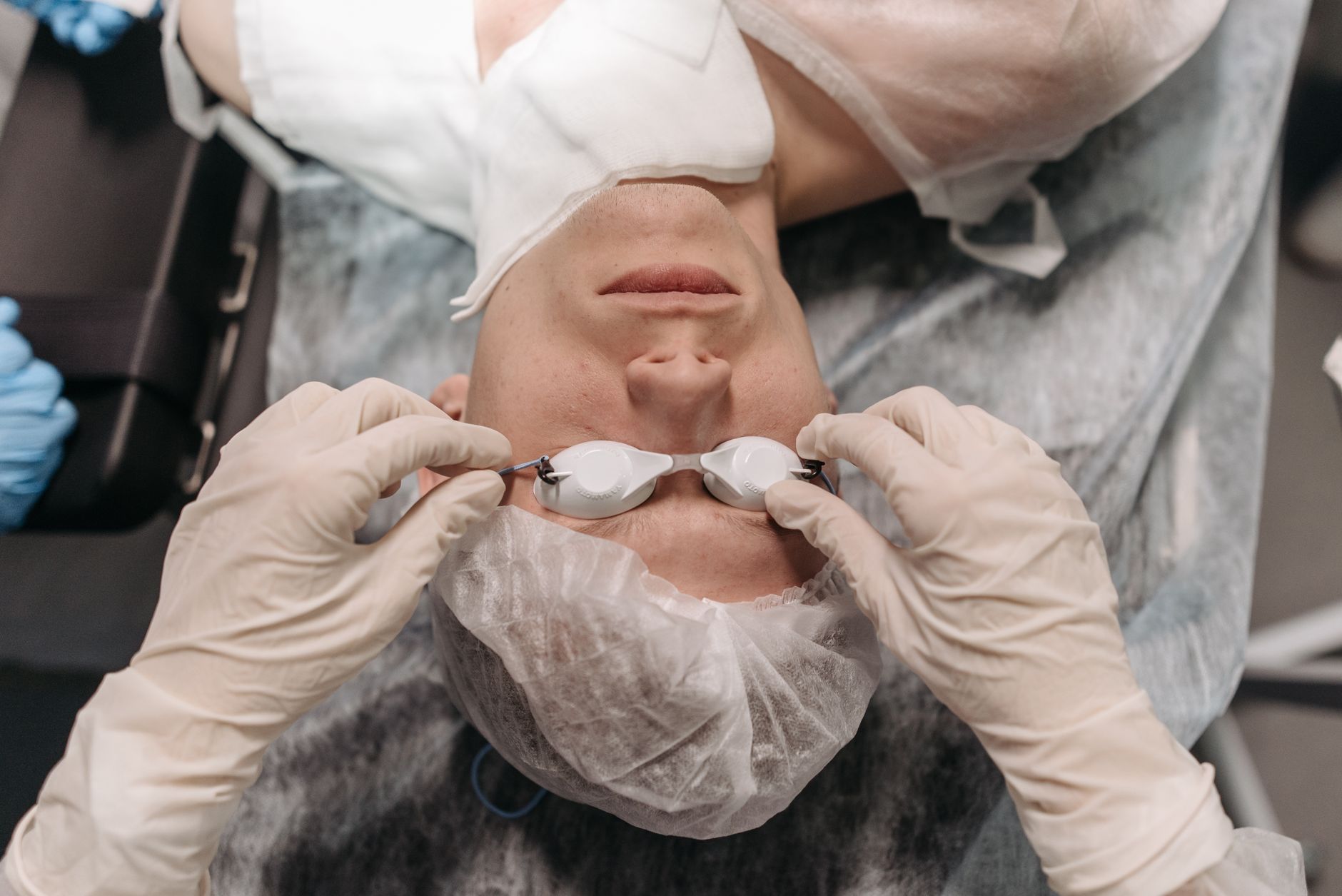
Learn how Medicare covers cataract surgery in India. Understand costs, types of surgery, what Medicare Parts A, B, C, and D cover, and potential out-of-pocket expenses for seniors.
April 1, 2026

Understand Medicare's coverage for dental care. Learn about Original Medicare limitations, Medicare Advantage options, and alternative solutions for seniors in India to maintain oral health.
April 1, 2026