

Emergency & Help
24/7 Emergency & General Advisory
🚨 24/7 Medical Emergency
Non-Emergency Advisory
10:00 AM – 6:00 PM, Mon–Sat
For appointments & general queries.
24/7 Emergency & General Advisory
🚨 24/7 Medical Emergency
Non-Emergency Advisory
10:00 AM – 6:00 PM, Mon–Sat
For appointments & general queries.
Learn how Medicare covers nebulizers, accessories, and medications for respiratory conditions. Understand eligibility, costs, and how to get coverage for DME.

Navigating healthcare coverage can feel like a maze, especially when you or a loved one needs a medical device like a nebulizer. If you're a senior in India covered under Medicare (or a similar government health insurance scheme that might follow similar principles, though it's important to note Medicare is specific to the US), understanding what's covered can bring immense relief. This guide breaks down how Medicare typically covers nebulizers, the essential accessories, and the medications that help you breathe easier. We'll cover what makes a nebulizer a 'durable medical equipment' (DME), eligibility criteria, and how to make sure you get the most out of your coverage.
Before diving into coverage details, let's clarify what a nebulizer is. It's a small, medical device that transforms liquid medication into a fine mist. This mist is then inhaled directly into the lungs through a mouthpiece or a mask. Nebulizers are a lifeline for individuals with respiratory conditions like asthma, bronchitis, chronic obstructive pulmonary disease (COPD), and cystic fibrosis. By delivering medication directly to the airways, they help open them up, making breathing significantly easier.
As we age, respiratory conditions can become more prevalent or worsen. For many seniors, a nebulizer isn't just a convenience; it's a necessity for managing daily life and maintaining lung health. The cost of these devices, along with the ongoing need for medications and accessories, can add up. This is where health insurance, like Medicare, plays a vital role in making essential treatments accessible and affordable.
Medicare classifies nebulizers as Durable Medical Equipment (DME). This classification is key to understanding your coverage. DME refers to equipment that meets these criteria:
Because nebulizers fit this definition, Medicare Part B is designed to cover them, along with necessary accessories and medications, when prescribed for home use.
Medicare Part B is the part of Original Medicare that helps cover outpatient care, including doctor visits, preventive services, and durable medical equipment (DME). Here's how it typically applies to nebulizers:
A Real-Life Scenario: Mr. Sharma, a 72-year-old gentleman with COPD, found it increasingly difficult to manage his breathing during his morning walks. His pulmonologist prescribed a nebulizer and a specific bronchodilator medication. Mr. Sharma was worried about the cost, but his insurance advisor explained that Medicare Part B would cover a significant portion after his deductible was met, making the daily treatments affordable.
While Part B is the primary coverage for home-use nebulizers, other parts might be relevant in specific situations:
To ensure your nebulizer is covered, you must meet specific eligibility requirements:
Accidents happen. If your Medicare-covered nebulizer is lost, stolen, or damaged beyond repair within five years of purchase, Medicare may cover the cost of a replacement. You will likely need to provide documentation or proof of the incident to your supplier.
Getting a Medicare-covered nebulizer involves a few steps:
Medicare generally covers standard, compressor-style nebulizers that are designed for home use. While specific models might vary, the focus is on functionality and medical necessity. Accessories like filters, tubing, and mouthpieces are covered when they are necessary for the operation of the nebulizer and are prescribed by your doctor. Medicare will cover the cost of replacement filters as long as you have a valid prescription and purchase them from a Medicare-approved supplier.
It's important to consult your doctor if you experience any of the following:
These symptoms could indicate a worsening of your condition or the need for a nebulizer or a change in treatment. Prompt medical attention can prevent serious complications.
Yes, Medicare Part B generally covers portable nebulizers if they meet the criteria for durable medical equipment (DME) and are prescribed for home use. The key is medical necessity and a prescription from a Medicare-approved provider.
Medicare Advantage plans (Part C) must offer at least the same coverage as Original Medicare (Parts A and B). However, they may have their own network of providers and suppliers, and different co-payment structures. It's essential to check your specific plan's benefits and provider network for nebulizer coverage.
Yes, Medicare covers both the purchase and rental of nebulizers. The coverage details (80% after deductible) generally apply to both options. Your doctor and DME supplier can advise on whether renting or buying is more appropriate for your situation.
The frequency of replacement for supplies like filters, tubing, and mouthpieces depends on the manufacturer's recommendations and your doctor's orders. Medicare covers these replacement supplies when they are medically necessary and prescribed.
Understanding your Medicare coverage for nebulizers can alleviate a significant burden for seniors managing respiratory health. Always keep your doctor informed and work with Medicare-approved suppliers to ensure you receive the care and equipment you need.
Most people do not notice early warning signs right away. That is common. A simple symptom diary, basic routine checks, and timely follow-up visits can prevent small problems from becoming serious.
If you are already on treatment, stay consistent with medicines and lifestyle advice. If your symptoms change, do not guess. Check with a qualified doctor and update your plan early.
Write down symptoms, triggers, and timing for a few days.
Carry old prescriptions and test reports to your consultation.
Ask clearly about side effects, red-flag signs, and follow-up dates.
Seek urgent care for severe pain, breathing trouble, bleeding, fainting, or sudden worsening.
Visit Hospital
Near You

Understand Medicare Part C (Medicare Advantage): what it covers, different plan types (HMO, PPO), costs, and how to choose the best plan for your needs. Get comprehensive health coverage beyond Original Medicare.
April 1, 2026
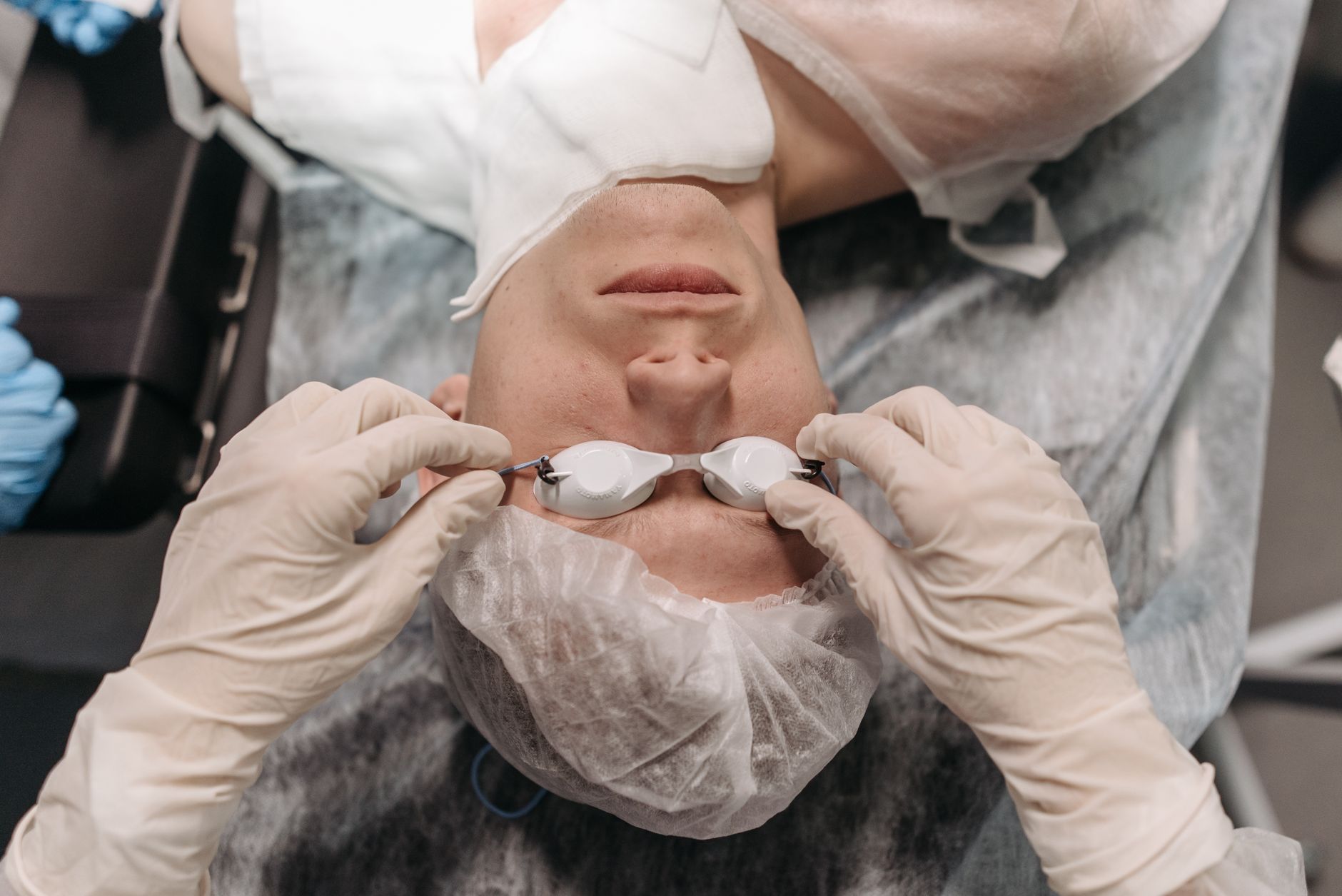
Learn how Medicare covers cataract surgery in India. Understand costs, types of surgery, what Medicare Parts A, B, C, and D cover, and potential out-of-pocket expenses for seniors.
April 1, 2026
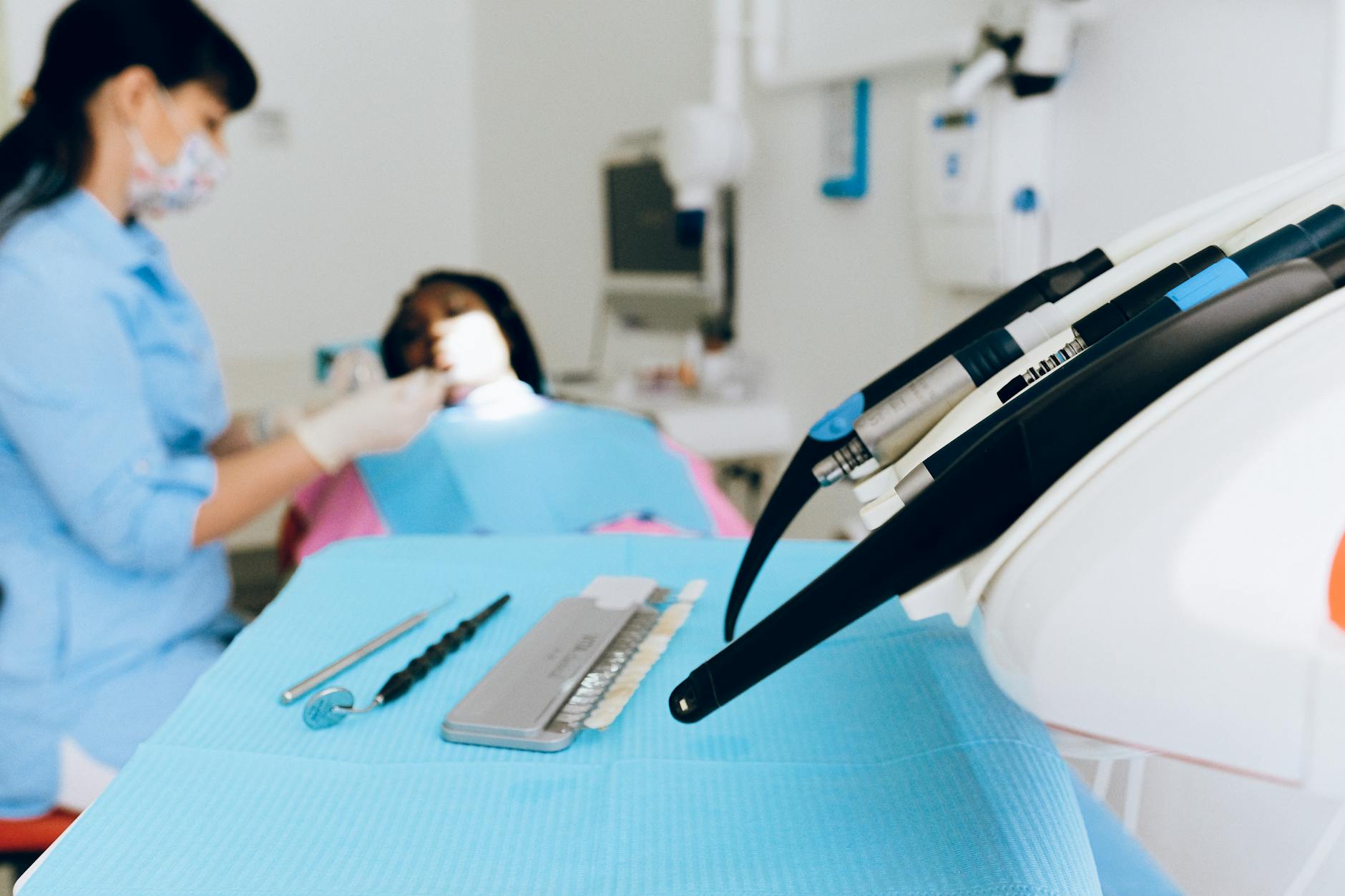
Understand Medicare's coverage for dental care. Learn about Original Medicare limitations, Medicare Advantage options, and alternative solutions for seniors in India to maintain oral health.
April 1, 2026