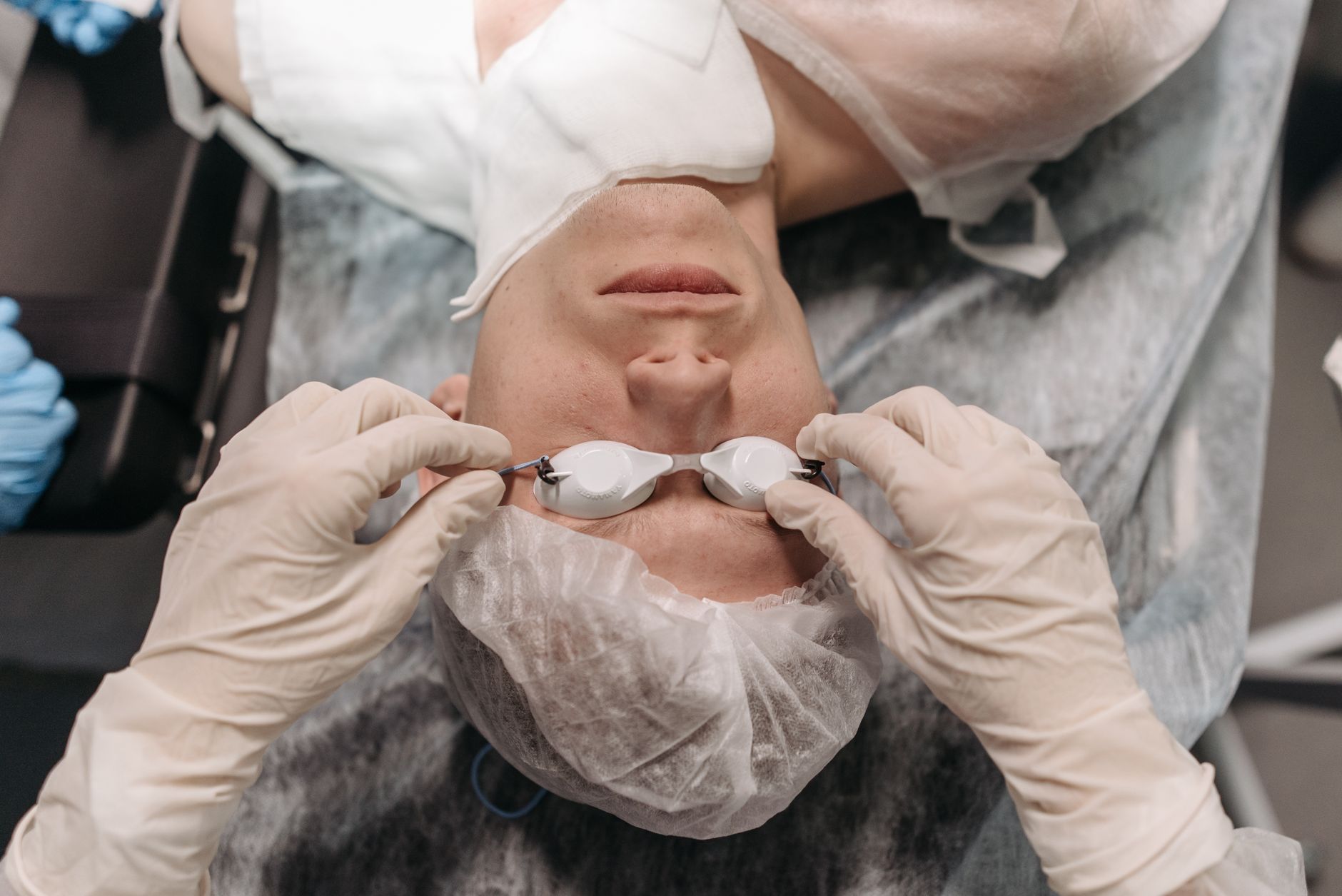
Living with chronic neuropathic pain can be debilitating, impacting every aspect of daily life. For many, finding effective treatment is a priority, and Qutenza (capsaicin) topical system has emerged as a significant option. Qutenza is a high-concentration capsaicin patch used to treat neuropathic pain associated with conditions like postherpetic neuralgia (PHN) and diabetic peripheral neuropathy (DPN) of the feet. As an outpatient procedure, patients often wonder about the financial implications, specifically, "Does Medicare cover Qutenza?" Understanding your Medicare benefits is crucial to accessing necessary treatments without unexpected financial burdens. This comprehensive guide will delve into Qutenza, the intricacies of Medicare coverage, and how you can navigate the system to receive the care you need.
What is Qutenza? An Overview of the Capsaicin Patch
Qutenza is a prescription-only topical patch containing a high concentration (8%) of capsaicin, the active component found in chili peppers. Unlike lower-dose capsaicin creams available over-the-counter, Qutenza is applied by a healthcare professional in a clinical setting. It is specifically designed to treat neuropathic pain, which arises from damage or dysfunction of the nervous system rather than tissue injury.
How Qutenza Works
The mechanism of action for Qutenza involves the desensitization of pain receptors in the skin. When applied, the high concentration of capsaicin activates a specific receptor called TRPV1 (transient receptor potential vanilloid 1) on pain-sensing nerve fibers. This intense activation leads to a temporary overstimulation, followed by a period where these nerve fibers become less sensitive to pain signals. Essentially, it "resets" the overactive pain pathways, providing significant pain relief for an extended period, typically up to three months after a single application.
Approved Indications for Qutenza
- Postherpetic Neuralgia (PHN): This is a persistent and often severe nerve pain that can occur after a shingles (herpes zoster) outbreak. PHN can last for months or even years after the rash has cleared, and it is notoriously difficult to treat. Qutenza offers a targeted approach to manage this localized pain.
- Diabetic Peripheral Neuropathy (DPN) of the Feet: DPN is a common complication of diabetes, causing nerve damage primarily in the feet and lower legs. Symptoms can include numbness, tingling, burning, and sharp pain. Qutenza is approved for the treatment of neuropathic pain associated with DPN of the feet, offering an alternative to systemic medications that may have broader side effects.
The unique aspect of Qutenza is its localized action, meaning it targets the pain directly at the site without significant systemic absorption, potentially reducing the risk of systemic side effects often associated with oral pain medications.
Understanding Medicare: Parts A, B, C, and D
Before diving into Qutenza coverage, it's essential to understand the different parts of Medicare and what each covers. Medicare is the federal health insurance program for people 65 or older, certain younger people with disabilities, and people with End-Stage Renal Disease (ESRD).
Medicare Part A (Hospital Insurance)
- Covers: Inpatient hospital stays, skilled nursing facility care, hospice care, and some home health care.
- Relevance to Qutenza: Generally not relevant for Qutenza coverage, as Qutenza application is an outpatient procedure.
Medicare Part B (Medical Insurance)
- Covers: Certain doctor's services, outpatient care, medical supplies, and preventive services. This is the most relevant part for Qutenza.
- Key Features: Part B covers medically necessary services and supplies that are used to diagnose or treat your health condition. It also covers doctor-administered drugs given in an outpatient setting.
- Costs: Most people pay a monthly premium for Part B. After meeting an annual deductible, you typically pay 20% of the Medicare-approved amount for most doctor's services, outpatient therapy, and durable medical equipment (coinsurance).
Medicare Part C (Medicare Advantage Plans)
- Covers: These plans are offered by private companies approved by Medicare. They must cover all the services that Original Medicare (Parts A and B) covers, and often include extra benefits like vision, dental, hearing, and prescription drug coverage (Part D).
- Key Features: Medicare Advantage plans may have different rules, costs, and restrictions than Original Medicare. You might need to use doctors who are in the plan's network, and you may need referrals to see specialists.
- Relevance to Qutenza: If you have a Medicare Advantage plan, your coverage for Qutenza will be determined by your specific plan's rules, although it must cover what Part B covers.
Medicare Part D (Prescription Drug Coverage)
- Covers: This part helps cover the cost of prescription drugs. It is provided by private insurance companies approved by Medicare.
- Key Features: Each Part D plan has a formulary (a list of covered drugs), and drugs are often placed into different tiers with varying costs.
- Relevance to Qutenza: Qutenza is a physician-administered drug, not typically dispensed at a pharmacy for self-administration. Therefore, Part D generally does not cover Qutenza. It would cover other oral medications prescribed for neuropathic pain.
Medigap (Medicare Supplement Insurance)
- Covers: Medigap policies are sold by private companies and help pay some of the remaining healthcare costs that Original Medicare doesn't cover, such as copayments, coinsurance, and deductibles.
- Relevance to Qutenza: If Medicare Part B covers Qutenza, a Medigap policy could help cover the 20% coinsurance you would typically owe after your Part B deductible.
Does Medicare Cover Qutenza? The Specifics of Coverage
The good news for many patients is that yes, Medicare typically covers Qutenza when it is deemed medically necessary and administered in an appropriate outpatient setting. However, the specifics of coverage depend primarily on which part of Medicare you have.
Qutenza Coverage Under Original Medicare (Part B)
For individuals with Original Medicare, Qutenza is generally covered under Medicare Part B. This is because Qutenza is a physician-administered drug that is applied in a doctor's office or other outpatient clinic. Part B covers drugs and biologicals that are furnished incident to a physician's service.
- Medical Necessity: For coverage, your doctor must determine that Qutenza is medically necessary for your condition (e.g., PHN or DPN of the feet).
- Administration: It must be administered by a qualified healthcare professional in an outpatient setting.
- Cost-Sharing: After you meet your annual Medicare Part B deductible, you will typically be responsible for 20% of the Medicare-approved amount for the Qutenza patch and its administration.
- Prior Authorization: In some cases, Medicare (or your Medicare Advantage plan) may require prior authorization before covering Qutenza. This means your doctor needs to get approval from Medicare before you receive the treatment.
Qutenza Coverage Under Medicare Advantage (Part C)
If you are enrolled in a Medicare Advantage plan, your coverage for Qutenza will follow your plan's specific rules. As mentioned, Medicare Advantage plans are required to cover everything that Original Medicare Part A and B cover. Therefore, they must cover Qutenza if it would be covered under Part B. However, there can be differences:
- Cost-Sharing: Your copayments or coinsurance for Qutenza may differ from Original Medicare's 20%. Some plans may have a fixed copay, while others might have a coinsurance percentage.
- Network Restrictions: You might need to receive Qutenza from a doctor or clinic within your plan's network.
- Prior Authorization: Medicare Advantage plans are more likely to require prior authorization for specialized treatments like Qutenza. It is crucial to check with your plan before receiving treatment.
- Formulary: While Qutenza is a Part B drug, some Medicare Advantage plans that include Part D coverage may have specific rules or preferred providers for administration.
The Role of Medigap in Qutenza Costs
If you have Original Medicare and a Medigap policy, your Medigap plan can help cover the 20% coinsurance that Part B doesn't pay. Depending on your Medigap plan, it could significantly reduce or eliminate your out-of-pocket costs for Qutenza after your Part B deductible is met.
Conditions Qutenza Treats in Detail
Understanding the conditions Qutenza treats can help clarify its medical necessity and why it's a valuable treatment option for many patients.
Postherpetic Neuralgia (PHN)
PHN is a chronic, debilitating neuropathic pain that persists for more than 90 days after the onset of a herpes zoster (shingles) rash. Shingles itself is caused by the reactivation of the varicella-zoster virus, the same virus that causes chickenpox. After the rash heals, some individuals experience ongoing nerve damage, leading to severe, burning, stabbing, or aching pain. The pain can be so intense that it interferes with sleep, mood, and daily activities. Traditional treatments for PHN include oral medications like gabapentinoids (gabapentin, pregabalin), tricyclic antidepressants, and opioids. However, these can come with systemic side effects. Qutenza offers a non-systemic, targeted approach, making it an attractive option for localized PHN.
Diabetic Peripheral Neuropathy (DPN) of the Feet
DPN is a form of nerve damage caused by high blood sugar levels over time, primarily affecting the nerves in the legs and feet. Symptoms can range from numbness and tingling to sharp pains, burning sensations, and extreme sensitivity to touch. DPN can lead to serious complications, including foot ulcers and amputations, due to loss of sensation. Managing the pain associated with DPN is crucial for improving quality of life and preventing further complications. Qutenza provides a localized treatment option for the neuropathic pain component of DPN, especially when oral medications are not well-tolerated or provide insufficient relief.
The Qutenza Treatment Process: What to Expect
Receiving Qutenza treatment involves a specific procedure performed by a healthcare professional. Understanding this process can help alleviate any anxieties and ensure you are prepared.
Preparation
- Skin Assessment: The healthcare provider will examine the treatment area to ensure the skin is intact and free from cuts, wounds, or active skin conditions.
- Cleaning: The skin will be thoroughly cleaned with soap and water, then dried.
- Hair Removal: If there is hair in the treatment area, it will be trimmed or clipped to ensure good patch adhesion.
- Pain Management: To minimize discomfort during patch application and removal, a topical anesthetic cream (e.g., lidocaine) may be applied to the treatment area for approximately 60 minutes prior to Qutenza application. This helps numb the skin.
Application
- Patch Application: Once the topical anesthetic is removed and the skin is dry, the Qutenza patch(es) will be applied directly to the most painful areas of the skin. The patches are flexible and can be cut to fit different body contours.
- Duration: The Qutenza patch is typically left in place for 60 minutes for both PHN and DPN of the feet. For DPN of the feet, it may sometimes be applied for 30 minutes, depending on individual patient tolerance and physician discretion.
- Monitoring: During the application, clinic staff will monitor you for any adverse reactions, such as excessive pain or skin irritation.
Removal and Post-Treatment Care
- Removal: After the prescribed time, the patches are carefully removed.
- Cleaning: The treated skin area is then cleaned with a special cleansing gel provided with the Qutenza kit to remove any residual capsaicin. This helps to reduce any remaining burning or discomfort.
- Discomfort: It's common to experience some redness, swelling, or a burning sensation at the application site immediately after treatment. This usually subsides within a few days.
- Frequency: Qutenza treatment can be repeated every three months, as needed, to maintain pain relief.
Potential Side Effects and Risks of Qutenza
Like all medications, Qutenza has potential side effects, although most are localized and temporary.
Common Local Side Effects
- Application Site Pain: This is the most common side effect, often described as a burning or stinging sensation during and immediately after application. The topical anesthetic helps manage this.
- Erythema (Redness): Redness of the skin in the treated area is very common and typically resolves within a few days.
- Edema (Swelling): Mild swelling at the application site can occur.
- Pruritus (Itching): Some patients may experience itching.
- Blisters or Papules: Less commonly, small blisters or bumps may form, especially if the patch is left on for too long or if the skin is particularly sensitive.
Less Common or Systemic Side Effects
Because Qutenza acts locally, systemic side effects are rare. However, some individuals may experience:
- Increased blood pressure during treatment due to pain.
- Nausea or vomiting (rare).
- Cough (rare).
Contraindications and Precautions
- Qutenza should not be applied to the face, scalp, or mucous membranes.
- It should not be applied to broken skin, wounds, or areas with active skin conditions.
- Patients with uncontrolled hypertension should be monitored closely during treatment.
- Pregnant or breastfeeding individuals should discuss the risks and benefits with their doctor.
Alternatives and Complementary Therapies for Neuropathic Pain
Qutenza is one of several tools in the management of neuropathic pain. Depending on the individual's specific condition, severity, and response, other treatments or complementary therapies may be considered.
Oral Medications
- Gabapentinoids: Gabapentin (Neurontin) and pregabalin (Lyrica) are often first-line oral medications for neuropathic pain. They work by calming overactive nerve signals.
- Antidepressants: Certain tricyclic antidepressants (TCAs) like amitriptyline and serotonin-norepinephrine reuptake inhibitors (SNRIs) like duloxetine (Cymbalta) and venlafaxine can be effective for neuropathic pain.
- Opioids: While sometimes used for severe, intractable pain, opioids are generally reserved as a last resort due to their significant side effect profile and risk of dependence.
Other Topical Treatments
- Lidocaine Patches: These patches contain a local anesthetic that numbs the skin, providing temporary relief. They are generally well-tolerated and can be used daily.
- Lower-Dose Capsaicin Creams: Over-the-counter creams with lower concentrations of capsaicin can be used, but they require frequent application and may cause initial burning.
Interventional Pain Management
- Nerve Blocks: Injections of local anesthetics or steroids near affected nerves can temporarily block pain signals.
- Spinal Cord Stimulation (SCS): For severe, chronic neuropathic pain that hasn't responded to other treatments, SCS involves implanting a device that sends mild electrical pulses to the spinal cord to interrupt pain signals.
Physical and Occupational Therapy
Therapists can help patients manage pain through exercises, stretches, and techniques to improve function, mobility, and overall quality of life. They can also teach coping strategies for chronic pain.
Complementary and Alternative Medicine (CAM)
Some individuals find relief from neuropathic pain through CAM therapies such as acupuncture, massage therapy, meditation, or biofeedback. It's important to discuss these options with your doctor to ensure they are safe and appropriate for your condition.
Lifestyle Modifications
For DPN, strict blood sugar control is paramount to prevent further nerve damage. Regular exercise, a balanced diet, and avoiding smoking and excessive alcohol can also help manage symptoms and improve overall health.
When to See a Doctor
It's important to consult with a healthcare professional if you are experiencing symptoms of neuropathic pain or have questions about your treatment options.
- Persistent Pain: If you have chronic burning, tingling, numbness, or shooting pain that interferes with your daily life.
- Ineffective Current Treatment: If your current pain management strategy is not providing adequate relief or is causing intolerable side effects.
- Discussing Qutenza: If you believe Qutenza might be a suitable treatment option for your neuropathic pain, especially if you have PHN or DPN of the feet.
- Medicare Coverage Questions: If you have specific questions about Qutenza coverage under your Medicare plan, your doctor's office staff or a Medicare counselor can often provide guidance.
Your doctor can accurately diagnose your condition, recommend the most appropriate treatment plan, and help you navigate the complexities of Medicare coverage.
Navigating Medicare Coverage for Qutenza: Practical Steps
Understanding that Qutenza is generally covered by Medicare Part B is a great starting point. However, proactive steps can help ensure a smooth process and minimize unexpected costs.
- Talk to Your Doctor: Discuss Qutenza as a treatment option. Your doctor will determine if it's medically appropriate for your condition. They are also instrumental in initiating the coverage process.
- Confirm Medical Necessity: Ensure your medical records clearly document your diagnosis (PHN or DPN of the feet) and the medical necessity for Qutenza treatment. This is critical for Medicare approval.
- Contact Your Specific Medicare Plan:
- Original Medicare: If you have Original Medicare, you can call 1-800-MEDICARE or visit Medicare.gov to understand Part B coverage details, deductibles, and coinsurance.
- Medicare Advantage: If you have a Medicare Advantage plan, contact your plan administrator directly. Ask about their specific coverage policies for Qutenza, including any prior authorization requirements, copayments/coinsurance, and in-network providers. Get everything in writing if possible.
- Understand Prior Authorization: Many specialized treatments like Qutenza require prior authorization. Your doctor's office will typically handle this process, but it's wise to confirm they have submitted all necessary paperwork and received approval before your treatment.
- Review Your Explanation of Benefits (EOB): After receiving treatment, you'll get an EOB from Medicare or your Medicare Advantage plan. This document explains what was billed, what Medicare paid, and what you owe. Review it carefully for accuracy.
- Appeal Decisions: If coverage for Qutenza is denied, you have the right to appeal the decision. Your doctor's office can assist you in this process, providing additional medical documentation to support the appeal.
- Explore Patient Assistance Programs: If out-of-pocket costs remain a barrier, ask your doctor or clinic about patient assistance programs offered by the drug manufacturer or other organizations.
FAQs About Medicare Coverage for Qutenza
Q: How much does Qutenza cost with Medicare?
A: With Original Medicare Part B, after you meet your annual deductible, you typically pay 20% of the Medicare-approved amount for the Qutenza patch and its administration. If you have a Medigap policy, it may cover some or all of this 20% coinsurance. With a Medicare Advantage plan, your costs will depend on your plan's specific copayment or coinsurance structure.
Q: Is prior authorization required for Qutenza?
A: Yes, prior authorization is often required for Qutenza, especially with Medicare Advantage plans. Your doctor's office will typically handle the submission of necessary documentation to your Medicare plan for approval before treatment.
Q: Can I get Qutenza through a pharmacy with Medicare Part D?
A: No, Qutenza is a physician-administered drug, meaning it is applied by a healthcare professional in a clinic or doctor's office, not dispensed at a pharmacy for self-administration. Therefore, it is covered under Medicare Part B (medical insurance), not Part D (prescription drug coverage).
Q: What if I have Medicare Advantage? Will my coverage be different?
A: Medicare Advantage plans must cover what Original Medicare covers, so Qutenza should be covered if medically necessary. However, your out-of-pocket costs (copays/coinsurance), network restrictions, and prior authorization rules may differ from Original Medicare. Always check with your specific Medicare Advantage plan for details.
Q: Are there any financial assistance programs for Qutenza?
A: Yes, some manufacturers and non-profit organizations offer patient assistance programs to help eligible individuals afford their medications, including Qutenza. Your doctor's office or a patient advocate can help you explore these options.
Q: How often can I receive Qutenza treatment?
A: Qutenza treatment can be repeated every three months, as needed, to maintain pain relief, provided it continues to be medically necessary and effective for your condition.
Conclusion
Navigating the complexities of Medicare coverage for specialized treatments like Qutenza can seem daunting, but understanding the basics can empower you. Qutenza offers a significant therapeutic option for individuals suffering from the localized neuropathic pain of postherpetic neuralgia and diabetic peripheral neuropathy of the feet. For most Medicare beneficiaries, Qutenza is covered under Medicare Part B when administered by a healthcare professional in an outpatient setting and deemed medically necessary. While out-of-pocket costs may include deductibles and coinsurance, Medigap plans can help mitigate these expenses, and Medicare Advantage plans offer alternative coverage structures.
The key to successful coverage lies in proactive communication with your healthcare provider and your specific Medicare plan. Always verify coverage, understand any prior authorization requirements, and inquire about potential costs before receiving treatment. By taking these steps, you can ensure access to effective pain management solutions like Qutenza, helping you regain control over your health and improve your quality of life.
Sources / Medical References