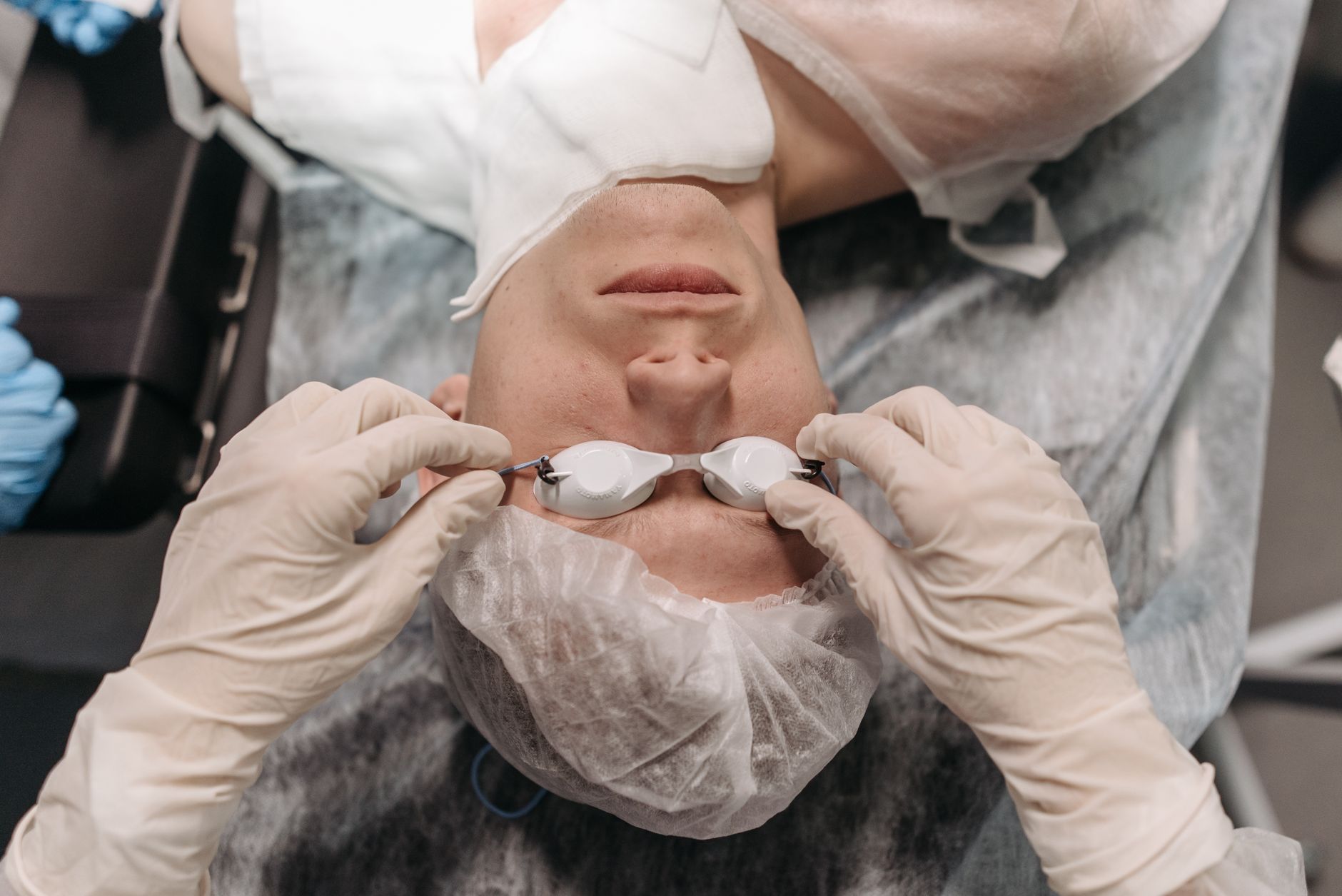
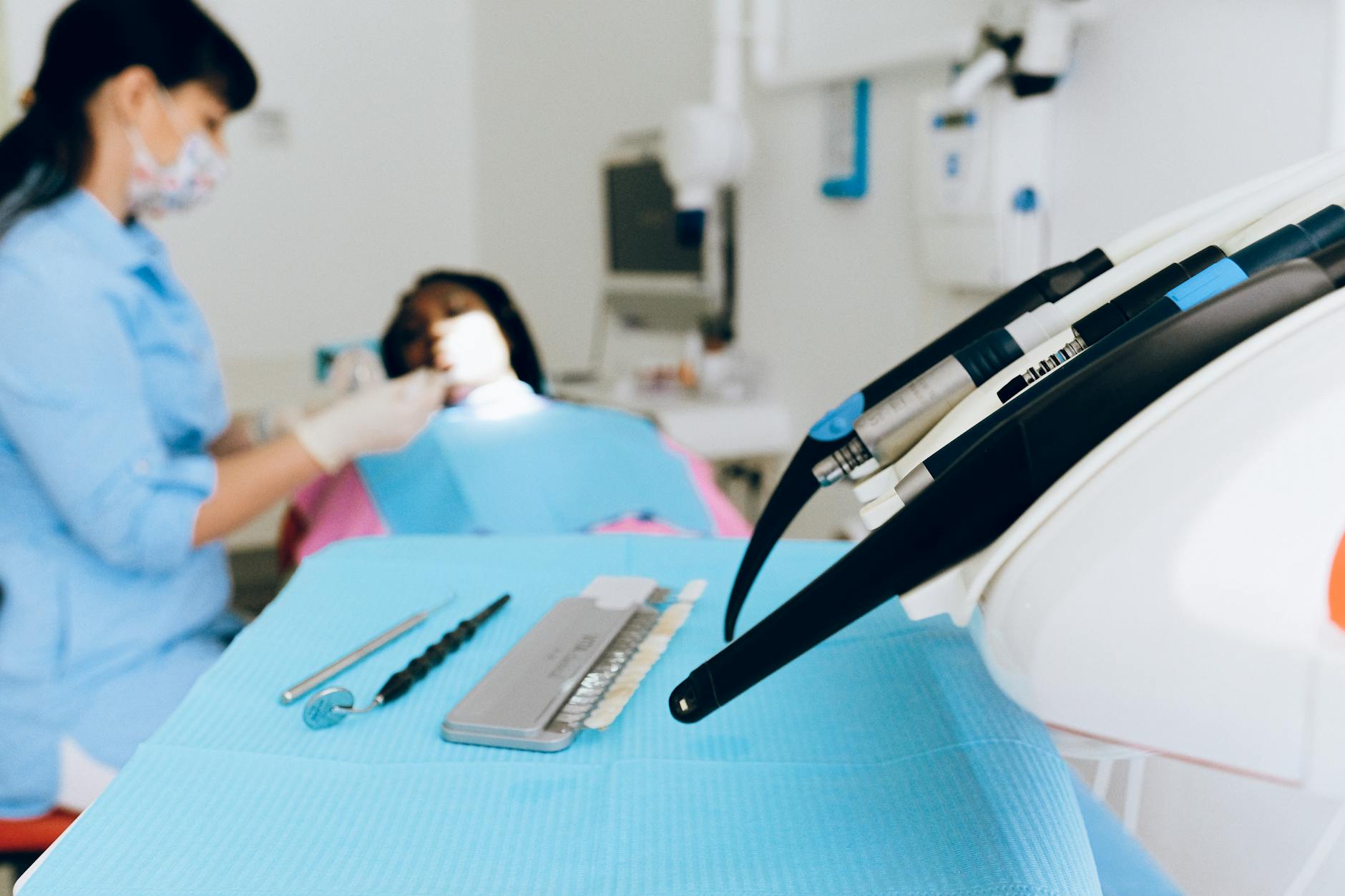
As we age, maintaining our health becomes a priority, and that includes the often-overlooked area of ear care. For many seniors in India, understanding how healthcare services are covered is essential. This guide focuses on ear cleaning and its coverage under Medicare, particularly for those who might be eligible or have family members navigating these systems. We'll break down what Medicare covers, what it doesn't, and what your options are if you need professional ear cleaning.
Understanding Earwax and Its Importance
Earwax, or cerumen, is a natural substance produced by glands in your ear canal. It plays a vital role in keeping your ears healthy by trapping dust, dirt, and other small particles, preventing them from reaching your eardrum. It also has antibacterial properties that protect your ear from infection. Normally, earwax moves out of the ear canal on its own, carrying debris with it. However, sometimes this natural process doesn't work as well, leading to a buildup.
When Earwax Becomes a Problem: Impaction
An earwax impaction occurs when earwax builds up excessively and blocks the ear canal. This can happen for several reasons:
- Natural variations: Some people naturally produce more earwax than others.
- Ear canal shape: Narrow or unusually shaped ear canals can make it harder for wax to exit.
- Age: As we get older, earwax tends to become drier and harder, making it more difficult to move out.
- Use of cotton swabs: While many people use cotton swabs to clean their ears, they often push the wax further into the canal, leading to impaction.
- Use of hearing aids or earplugs: These devices can interfere with the natural expulsion of earwax.
A common scenario many of our readers face is a gradual or sudden loss of hearing, accompanied by a feeling of fullness or pressure in the ear. Mrs. Sharma, a 72-year-old homemaker from Pune, noticed she was increasingly asking her grandchildren to repeat themselves. She also felt a persistent ringing in her ears and a dull ache. Initially, she thought it was just age, but the symptoms worsened, impacting her ability to enjoy conversations and her favourite music.
Symptoms of Earwax Impaction
If you have a significant earwax buildup, you might experience:
- Earache or a feeling of fullness in the ear
- Muffled hearing or partial hearing loss
- Ringing in the ear (tinnitus)
- Dizziness
- Coughing (due to nerve stimulation)
Medicare Coverage for Ear Cleaning: What's Covered?
This is where understanding Medicare becomes important, especially for those in countries where it's applicable or for those with family who are US-based seniors. In the context of Medicare, routine ear cleaning is generally not covered. This means if you simply want your ears cleaned as a regular part of your hygiene, Medicare won't pay for it.
However, there's a significant exception: Medicare will cover medically necessary ear cleaning if you have a severe earwax buildup that is causing symptoms. This is referred to as an earwax impaction.
When Medicare Covers Ear Cleaning:
Medicare Part B (which covers doctor's visits and outpatient services) may cover ear cleaning procedures like:
- Ear irrigation: This is a procedure where a doctor flushes your ear canal with water or saline solution to remove the wax.
- Manual disimpaction: If irrigation isn't enough, a doctor might use special instruments to manually remove the impacted wax.
For Medicare to cover these services, the earwax buildup must be:
- Causing pain, pressure, or hearing issues.
- Unable to be removed by at-home treatments (like ear drops or simple flushing).
- Performed by a qualified healthcare professional.
What Medicare Does NOT Cover:
- Routine ear cleaning services.
- Preventive ear cleaning.
- Procedures not deemed medically necessary.
Medicare Advantage (Part C) Plans and Ear Cleaning
If you have a Medicare Advantage plan (Part C), your coverage might be more extensive. These plans must offer at least the same benefits as Original Medicare (Parts A and B), but many include additional benefits. Some Medicare Advantage plans may cover other types of ear cleanings or related services that Original Medicare does not. It's always best to check the specific details of your Part C plan to understand its coverage for ear care.
Cost of Ear Cleaning with Medicare
If your ear cleaning is covered by Medicare Part B because it's medically necessary, you'll typically pay 20% of the Medicare-approved amount after you've met your annual deductible. For 2025, the Part B deductible is $257, and the monthly premium is $185.
For example, if the approved cost for ear irrigation is ₹5000, and you've met your deductible, you would pay 20% of that, which is ₹1000. The remaining 80% (₹4000) would be covered by Medicare Part B.
If you have a Medicare Advantage plan, your out-of-pocket costs will depend on that specific plan's structure, including copayments or coinsurance.
Medigap plans (Medicare Supplement Insurance) can help cover the 20% coinsurance you might owe under Part B. If you have a Medigap policy, it could reduce your out-of-pocket expenses for medically necessary ear cleaning.
At-Home Earwax Removal Methods
While professional cleaning is sometimes necessary, many people can manage mild earwax buildup at home. Here are some safe methods:
- Softening Drops: Over-the-counter ear drops containing carbamide peroxide can help soften hardened wax. Follow the package instructions carefully.
- Baking Soda Solution: Mix 1 teaspoon of baking soda with 2 ounces of warm water. Instill a few drops into the affected ear, let it sit for 5-10 minutes, then gently flush with lukewarm water. You can do this once a day for up to two weeks.
- Hydrogen Peroxide (3%): Use a 3% hydrogen peroxide solution. Tilt your head and put a few drops into your ear. You'll hear a fizzing sound as it works. Let it sit for 5 minutes, then drain and gently flush with water. Repeat once daily for 3-14 days.
- Oils: A few drops of baby oil, mineral oil, olive oil, or glycerin can also help soften earwax. Apply a few drops, let them sit for 5 minutes, and then gently flush. This can be done once or twice a day.
Important Note: Never insert cotton swabs, ear candles, or any other objects deep into your ear canal. These can cause injury, push wax further in, or even damage your eardrum.
When to Consult a Doctor
It's time to see a doctor or an audiologist if:
- Home remedies do not clear the impaction.
- You experience severe ear pain, sudden hearing loss, or discharge from your ear.
- You have a history of ear surgery, a perforated eardrum, or ear infections.
- You have diabetes, as it can increase the risk of ear infections.
Your doctor can perform a thorough examination, determine the best course of treatment, and perform professional ear cleaning if needed. If the cleaning is medically necessary due to impaction, it may be covered by Medicare.
Preventing Future Earwax Buildup
While you can't always prevent earwax buildup, you can take steps to reduce the likelihood:
- Avoid using cotton swabs inside your ear canal.
- If you use hearing aids or earplugs regularly, clean them as directed and discuss ear care with your doctor.
- Use softening drops or oils occasionally if you know you are prone to wax buildup.
Frequently Asked Questions (FAQ)
Q1: Does Medicare cover regular ear cleaning?
No, Medicare generally does not cover routine or preventive ear cleaning. It only covers ear cleaning if it is medically necessary to treat a severe earwax impaction causing symptoms.
Q2: What is considered a medically necessary ear cleaning for Medicare?
A medically necessary ear cleaning is one performed to remove a significant earwax blockage (impaction) that is causing pain, hearing loss, dizziness, or other discomfort. The procedure must be performed by a healthcare professional.
Q3: How much will I pay for ear cleaning if Medicare covers it?
If covered by Medicare Part B, you will typically pay 20% of the Medicare-approved cost after meeting your annual deductible. A Medigap plan may cover this coinsurance.
Q4: Can I use home remedies for earwax? Are they safe?
Yes, safe home remedies like softening drops, baking soda solutions, hydrogen peroxide, or oils can be effective for mild buildup. However, avoid inserting objects into your ear and consult a doctor if symptoms persist or worsen.
Q5: What should I do if I suspect I have an earwax impaction?
First, try safe home remedies. If they don't work, or if you experience severe pain or sudden hearing loss, consult your doctor. They can diagnose the problem and provide appropriate treatment, which may be covered by Medicare if medically necessary.