

Emergency & Help
24/7 Emergency & General Advisory
🚨 24/7 Medical Emergency
Non-Emergency Advisory
10:00 AM – 6:00 PM, Mon–Sat
For appointments & general queries.
24/7 Emergency & General Advisory
🚨 24/7 Medical Emergency
Non-Emergency Advisory
10:00 AM – 6:00 PM, Mon–Sat
For appointments & general queries.
Learn how Medicare Part B covers the full cost of pneumonia vaccines for seniors, including details on Part C and what to do to get vaccinated at no out-of-pocket expense.

Pneumonia, a serious infection that inflames the air sacs in one or both lungs, can be particularly concerning for older adults. The good news is that many strains of this bacterial infection are preventable through vaccination. If you're 65 or older, or if you have certain health conditions that put you at higher risk, you might be wondering about the pneumonia vaccine and whether Medicare covers it. This guide will break down exactly how Medicare, specifically Part B, can help you get vaccinated against pneumonia, ensuring you understand your coverage and the steps to take.
Before diving into Medicare coverage, let's quickly touch upon pneumonia itself and the vaccines available. Pneumonia can be caused by bacteria, viruses, or fungi. The most common bacterial culprit is Streptococcus pneumoniae. This is where pneumococcal vaccines come in. They are designed to protect against specific strains of this bacteria.
There are a couple of main types of pneumococcal vaccines recommended for adults:
Your doctor will determine which vaccine, or combination of vaccines, is best for you based on your age, health status, and vaccination history. It's a proactive step to safeguard your respiratory health.
Yes, Medicare covers pneumonia vaccines! Specifically, Medicare Part B, which is your medical insurance, covers preventive healthcare services. This includes certain vaccinations, and the pneumonia vaccine is one of them.
The key takeaway is that Medicare Part B covers the full cost of the pneumonia vaccine. This applies whether you need one shot or two, as recommended by your healthcare provider.
This is fantastic news for beneficiaries. If you visit a healthcare professional or facility that accepts Medicare assignment, you will pay $0 out of pocket for the pneumonia vaccine. Providers who accept assignment agree to Medicare-approved rates, which are generally lower than standard prices. This ensures that cost is not a barrier to getting this important protection.
What is Medicare Assignment? Simply put, when a doctor or provider accepts assignment, they agree to accept the Medicare-approved amount as full payment for a covered service. This means you won't be billed for the difference between the provider's charge and the Medicare-approved amount.
You can use the Medicare website's provider directory or ask your doctor's office to confirm if they accept Medicare assignment. It's always a good idea to verify before your appointment.
If you have a Medicare Advantage plan, often called Part C, you're also covered. These plans are required to provide at least the same level of coverage as Original Medicare (Parts A and B). Therefore, the pneumonia vaccine is covered under Medicare Advantage plans as well.
Costs with Medicare Advantage: While the vaccine itself is typically covered at no out-of-pocket cost (aside from your plan's monthly premium), the specifics of your plan matter. Each Medicare Advantage plan sets its own costs and coverage details. This includes your monthly premiums, deductibles, copayments, and coinsurance. To avoid any unexpected charges for services like the pneumonia vaccine, it's generally best to stay within your plan's network of approved healthcare professionals and facilities.
Staying in Network is Key: For no-cost services like preventive vaccines, ensure you visit a provider who is part of your Medicare Advantage plan's network. This usually guarantees you won't be charged the full cost of the vaccine.
It's important to know that Medicare Part D, which covers prescription drugs, does not cover the pneumonia vaccine. Part D plans are primarily for take-home medications that you can administer yourself. Vaccines administered in a doctor's office or clinic fall under medical insurance, which is Part B or Medicare Advantage.
So, even if you have a Part D plan (either standalone or as part of your Medicare Advantage plan), you'll still need to use your Part B or Part C coverage for the pneumonia vaccine.
The CDC has specific recommendations for who should get the pneumonia vaccine. Generally:
Your doctor is the best person to advise you on whether you need the pneumonia vaccine and which type is appropriate for your situation. They will consider your personal health history and any existing conditions.
Mrs. Sharma, a 72-year-old retired teacher, recently visited her primary care physician for her annual check-up. During the visit, her doctor asked if she had received a pneumonia vaccine. Mrs. Sharma wasn't sure and mentioned she'd had a flu shot last year. Her doctor explained the importance of the pneumonia vaccine, especially for her age group, and confirmed that Medicare Part B would cover it fully. He administered the PCV20 vaccine right there in the office, and Mrs. Sharma paid nothing for it, feeling reassured knowing she was better protected.
The process is straightforward:
Like any vaccine, the pneumonia shot may cause mild side effects. These can include soreness, redness, or swelling at the injection site, a low-grade fever, or mild body aches. These are usually short-lived and a sign that your body is building protection.
The pneumonia vaccine is highly effective in preventing serious illness. While it doesn't protect against all types of pneumonia, it significantly reduces the risk of contracting the most common and dangerous bacterial forms.
You should always consult your doctor regarding vaccinations. Specifically, talk to your doctor if:
For individuals 65 and older, a single dose of PCV15 or PCV20 is generally recommended. If you received PCV15, a dose of PPSV23 is recommended later. Your doctor will guide you on the specific schedule.
Yes, many pharmacies offer the pneumonia vaccine. If you get it at a pharmacy, ensure they can bill Medicare Part B or your Medicare Advantage plan directly to receive it at no cost. Always confirm this beforehand.
Current recommendations may differ from older guidelines. It's essential to speak with your doctor to determine if you need an updated vaccine based on the latest CDC recommendations and your personal health history.
Yes, Medicare Part B covers the shingles vaccine (Shingrix) when administered by a qualified healthcare provider. Like the pneumonia vaccine, you typically pay nothing if you go to a provider who accepts Medicare assignment or is in your Medicare Advantage network.
Taking proactive steps to protect your health is one of the most empowering things you can do, especially as you age. Understanding your Medicare coverage for preventive services like the pneumonia vaccine is a vital part of staying healthy and well. Don't hesitate to have this important conversation with your doctor at your next visit.
Visit Hospital
Near You

Understand Medicare Part C (Medicare Advantage): what it covers, different plan types (HMO, PPO), costs, and how to choose the best plan for your needs. Get comprehensive health coverage beyond Original Medicare.
April 1, 2026
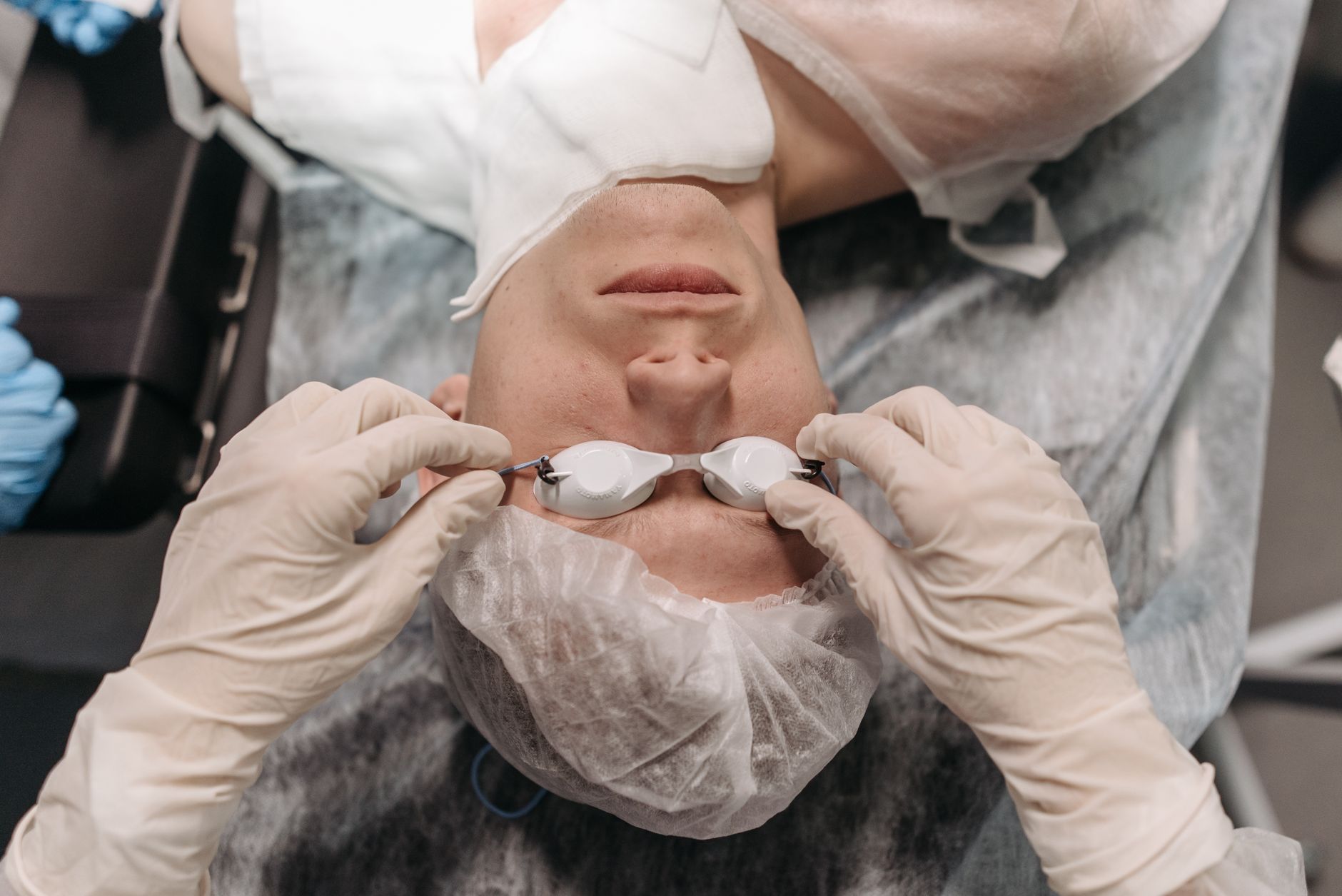
Learn how Medicare covers cataract surgery in India. Understand costs, types of surgery, what Medicare Parts A, B, C, and D cover, and potential out-of-pocket expenses for seniors.
April 1, 2026
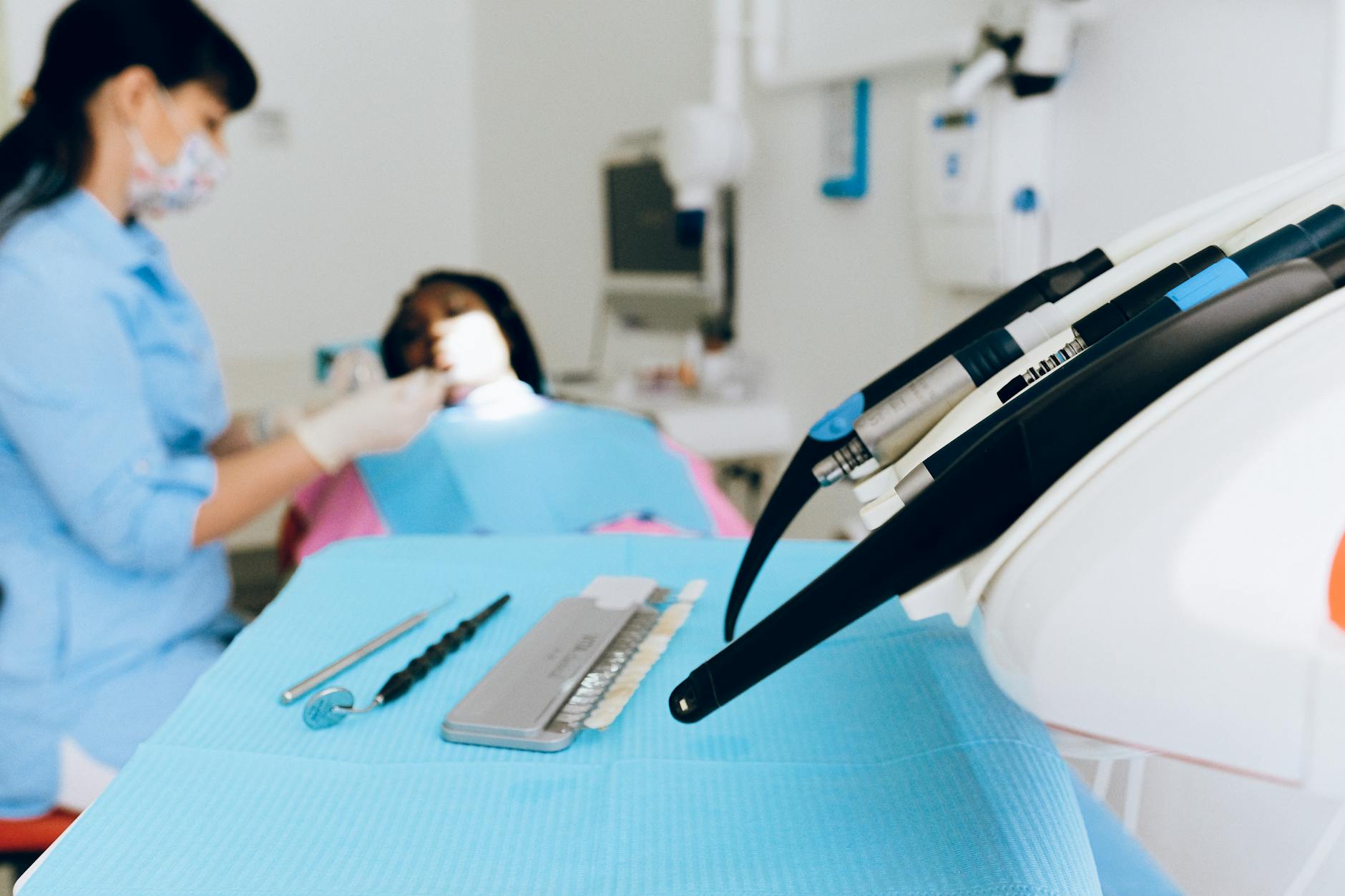
Understand Medicare's coverage for dental care. Learn about Original Medicare limitations, Medicare Advantage options, and alternative solutions for seniors in India to maintain oral health.
April 1, 2026