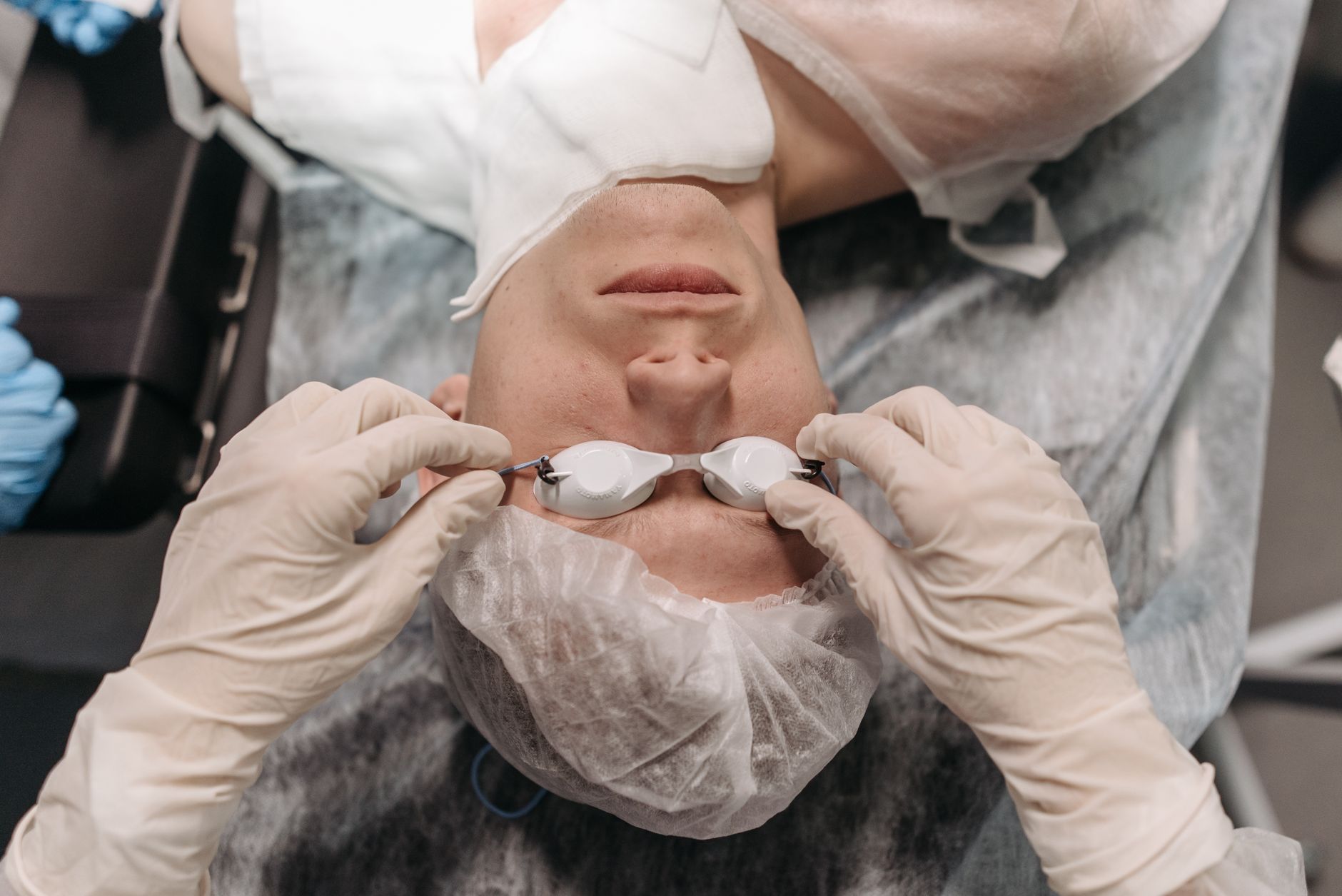
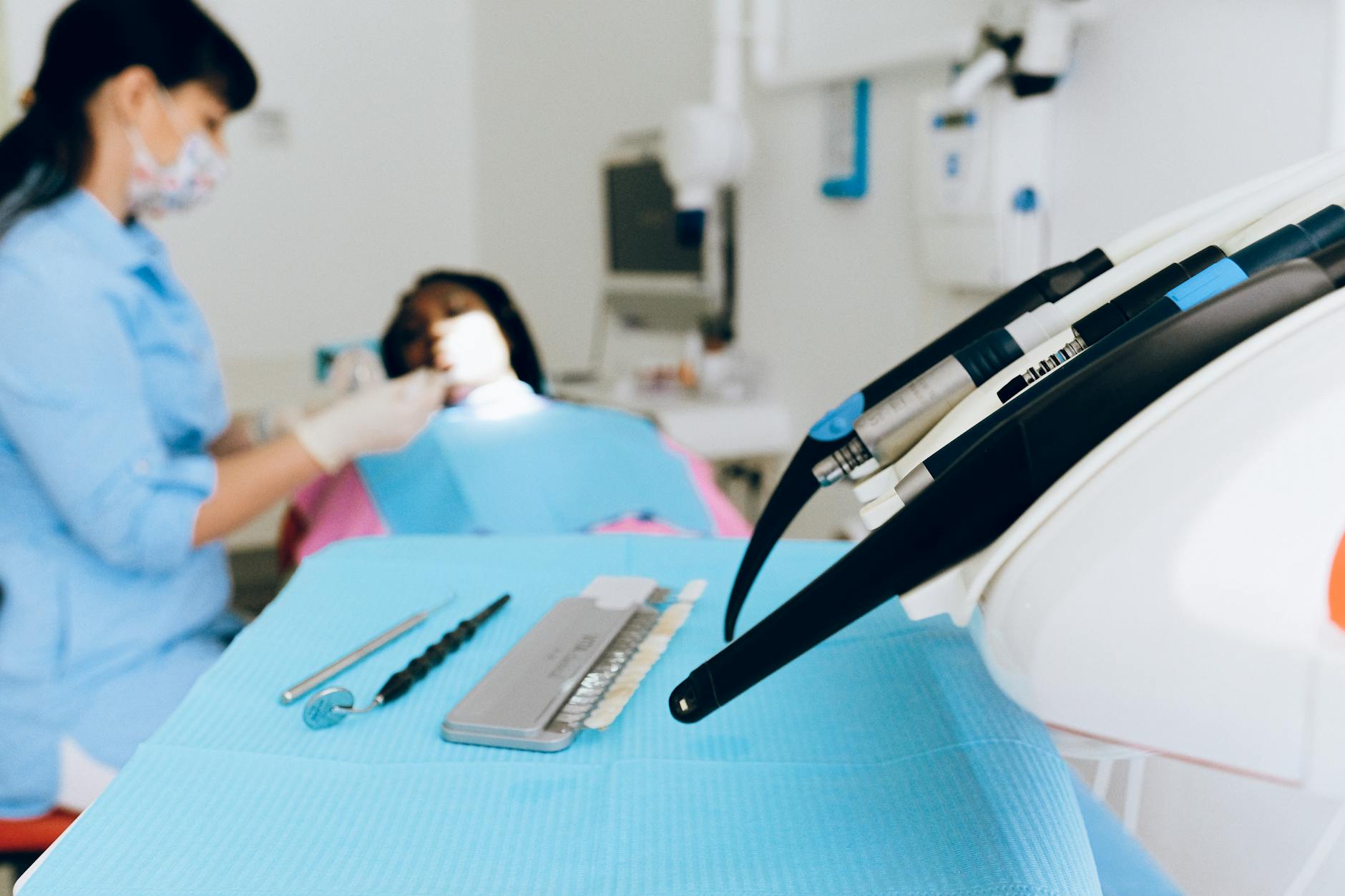
Navigating healthcare options can feel overwhelming, especially when you or a loved one needs intensive support for mental health or substance use issues. A Partial Hospitalization Program, or PHP, offers a structured, intensive outpatient treatment designed to help individuals recover without the need for a full inpatient hospital stay. But what about the cost? For many, especially seniors in India who rely on government support or private insurance, understanding Medicare coverage for these programs is vital. This guide breaks down how Medicare covers PHPs, what you can expect regarding costs, and the requirements you need to meet. What is a Partial Hospitalization Program (PHP)? Think of a PHP as a bridge between traditional outpatient therapy and full inpatient hospitalization. It’s an intensive program where patients typically spend several hours a day, several days a week, receiving treatment. During the day, you’re under the care of licensed professionals, engaging in various therapies like group therapy, individual counseling, and medication management. However, at the end of the day, you return home to your familiar surroundings. This allows individuals to maintain connections with family and their community while receiving a high level of care. PHPs are particularly beneficial for those struggling with mental health conditions like depression, anxiety, bipolar disorder, or substance misuse disorders, where a structured environment is needed to stabilize and manage symptoms, but inpatient care isn't strictly necessary. Who Benefits from a PHP? A PHP can be a turning point for individuals who: Are experiencing a mental health crisis that puts them at risk but doesn't require 24/7 supervision. Need more intensive treatment than standard outpatient therapy can provide. Are transitioning from an inpatient hospital stay and require continued support to prevent relapse. Are at risk of hospitalization due to worsening symptoms of a mental health or substance use disorder. Does Medicare Cover Partial Hospitalization Programs? Yes, Medicare does cover Partial Hospitalization Programs, but under specific conditions. The primary goal of Medicare coverage is to ensure that patients receive the most appropriate and effective care. For PHPs, this means Medicare will cover the services if: The program is recommended by a doctor: A physician must certify that standard outpatient therapy is insufficient to address your needs and that you require the intensive level of care a PHP provides. You need it to avoid hospitalization: The doctor must also certify that without participating in a PHP, you would likely need to be admitted to a hospital for inpatient care. This is a key requirement to ensure that PHPs are used for individuals who truly need this level of support. You are transitioning from inpatient care: Alternatively, if you have recently been discharged from an inpatient hospital stay and need continued, intensive support to manage your recovery and prevent readmission, Medicare may cover the PHP. The facility is Medicare-approved: The treatment must take place at a facility that is approved by Medicare. This ensures that the facility meets certain standards of care and quality. It’s important to understand that Medicare coverage is focused on the necessity of the treatment. They want to ensure that the PHP is the right level of care for your condition and that it helps you manage your health effectively. Which Parts of Medicare Cover PHPs? Medicare coverage for PHPs primarily falls under Medicare Part B (Medical Insurance). If you have Original Medicare (which includes Part A and Part B), your PHP services will be covered by Part B. This part of Medicare covers outpatient services, doctor visits, and other medical treatments that aren't covered by Part A. Medicare Advantage Plans (Part C) are also required to offer the same benefits as Original Medicare, including coverage for partial hospitalization programs. So, if you are enrolled in a Medicare Advantage plan, your PHP services should be covered, though the specifics of your copays and deductibles might differ based on your plan. Prescription medications are a bit different. Any medications administered to you during your PHP treatment at the facility will generally be covered under Part B or your Medicare Advantage plan. However, if you need to take medications home with you, you will need separate prescription drug coverage. This can be obtained through a Medicare Part D plan (for those with Original Medicare) or often as part of your Medicare Advantage plan if it includes prescription drug coverage. Medicare Supplement Insurance (Medigap) can further help reduce your out-of-pocket costs. Medigap plans work alongside Original Medicare to cover costs like deductibles and coinsurance, making your PHP treatment more affordable. Understanding the Costs and Your Financial Responsibility Even with Medicare coverage, there are typically out-of-pocket costs associated with PHPs. Here’s how it generally works with Medicare Part B: Annual Deductible: You’ll need to meet your annual Medicare Part B deductible first. This is a fixed amount you pay for covered health services each year before Medicare starts to pay. Coinsurance: After you meet the deductible, Medicare will pay 80% of the Medicare-approved amount for your PHP treatment, and you will be responsible for the remaining 20% as coinsurance. The “Medicare-approved amount” is the rate that Medicare has determined is reasonable for the services you receive. Scenario: Imagine Mrs. Rao, a 70-year-old who has been struggling with severe anxiety and panic attacks, impacting her ability to manage daily life. Her doctor recommends a PHP. After meeting her Part B deductible, she attends the program. The total approved cost for her treatment over a month is ₹1,00,000. Medicare covers 80% (₹80,000), and Mrs. Rao is responsible for the remaining 20% (₹20,000) as coinsurance. If she had a Medigap plan, it might cover some or all of this ₹20,000 coinsurance. The exact cost can vary significantly based on the facility, the duration and intensity of the program, and your specific Medicare plan. It’s always best to contact your Medicare plan provider and the PHP facility directly to get a clear understanding of your potential costs. Requirements for Medicare Coverage To ensure your PHP is covered by Medicare, you must meet all the following criteria: Physician's Order: Your treatment must be ordered by a physician who is recognized by Medicare. Medicare-Approved Facility: You must receive care at a facility that Medicare has approved. Medical Necessity Certification: A doctor must certify that standard outpatient therapy is not sufficient for your condition and that you require the intensive care provided by a PHP. Preventing Hospitalization: The doctor must also certify that if you did not participate in the PHP, you would likely need to be admitted to a hospital for inpatient care. Post-Inpatient Support: If you have recently been discharged from a hospital stay, the PHP must be certified as necessary additional support. These requirements are in place to ensure that Medicare funds are used appropriately for treatments that are medically necessary and effective. What Medicare Covers and Doesn't Cover When Medicare covers a PHP, it typically includes all the necessary medical and therapeutic services provided within the program. This can encompass: Individual and group therapy sessions Psychiatric monitoring and assessment Medication management Family counseling (when relevant to treatment) Other therapeutic activities as deemed necessary What's generally NOT covered: Transportation: Medicare does not cover the cost of transportation to and from the PHP facility. You will need to arrange and cover this yourself. Services outside the program: Any services you receive outside of the scheduled PHP hours or from providers not part of the approved program will not be covered under the PHP benefit. When to Consult a Doctor About PHPs If you are experiencing significant mental health challenges or substance use issues and feel that your current treatment isn't enough, it's time to talk to your doctor. Consider seeking a PHP if you: Feel increasingly overwhelmed by symptoms like severe depression, anxiety, or mood swings. Are having thoughts of self-harm or harming others. Are struggling with substance use and finding it difficult to stop. Have recently been discharged from a hospital for a mental health or substance use issue and need ongoing support. Find that daily life activities are becoming unmanageable due to your condition. Your doctor is the best person to assess your situation and determine if a PHP is the right course of action for you. They can also guide you on how to proceed with Medicare referrals and approvals. Frequently Asked Questions (FAQs) Q1: Can I get a PHP if I just want to improve my general well-being? A1: PHPs are intensive clinical treatments designed for specific mental health or substance use conditions that require a higher level of care than standard outpatient services. They are not typically for general wellness improvement. Q2: What if my PHP is not in India? Will Medicare cover it? A2: Medicare is a health insurance program primarily for US citizens and residents. Coverage for PHPs generally applies to services received within the United States at Medicare-approved facilities. Q3: How do I find a Medicare-approved PHP facility? A3: You can ask your doctor for recommendations, contact your Medicare plan provider for a list of covered facilities in your
In summary, timely diagnosis, evidence-based treatment, and prevention-focused care improve long-term health outcomes.