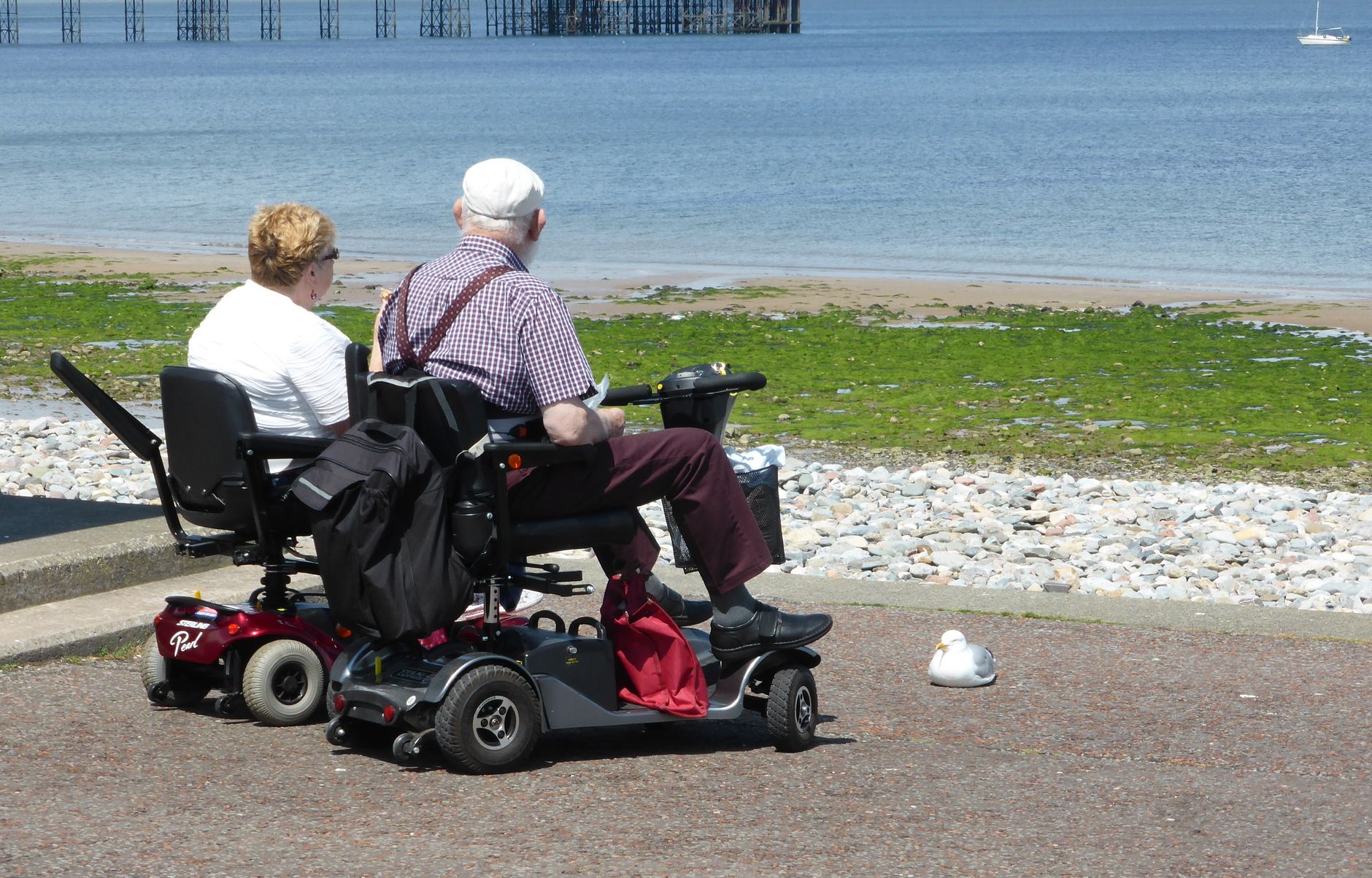
Navigating healthcare can feel like a complex journey, especially when you or a loved one needs assistance with mobility. For many seniors in India, maintaining independence at home is a top priority. Mobility scooters, also known as motorized scooters or power mobility devices (PMDs), can be a game-changer, offering renewed freedom and ease of movement within the home. But what about the cost? In India, while specific government schemes might differ from Medicare in the US, understanding how such assistive devices are supported is key. This guide aims to shed light on how mobility scooters can be accessed and potentially subsidised, focusing on principles that resonate with supporting senior citizens' well-being.
Understanding Mobility Scooters
A mobility scooter is essentially a motorized device designed to help individuals with limited mobility move around more easily. Unlike a wheelchair that a caregiver might push, a scooter is operated by the user. They typically feature a seat, handlebars for steering, and a base with wheels. These devices are invaluable for individuals who find walking difficult or impossible due to age, illness, or injury, and need help navigating their homes safely and independently.
Who Can Benefit from a Mobility Scooter?
The primary beneficiaries of mobility scooters are individuals who experience significant difficulty moving around their homes. This often includes:
- Seniors with age-related mobility issues.
- Individuals recovering from surgery or injury affecting their legs or balance.
- People with chronic conditions like arthritis, Parkinson's disease, or multiple sclerosis that impact movement.
- Anyone who struggles with everyday tasks like reaching the bathroom or kitchen due to mobility limitations.
Consider Mrs. Sharma, a 75-year-old woman living in her ancestral home. After a hip replacement, she found it exhausting to walk from her bedroom to the living room. She worried about falling and losing her independence. A mobility scooter, recommended by her doctor, allowed her to move freely within her home, significantly improving her quality of life and reducing her anxiety.
Key Features to Look For
When considering a mobility scooter, several factors are important:
- Size and Maneuverability: Ensure the scooter can navigate your home's doorways, hallways, and tight corners.
- Battery Life: Check how long the scooter can run on a single charge, especially if you plan to use it for extended periods.
- Comfort: The seat and controls should be comfortable for prolonged use.
- Weight Capacity: Ensure the scooter can safely support the user's weight.
- Safety Features: Look for features like anti-tip wheels and good braking systems.
How Can Mobility Scooters Be Accessed in India?
While a direct equivalent to Medicare's Part B coverage for mobility scooters might not exist in India, several avenues can help make these devices more accessible:
Government Schemes and Subsidies
The Indian government, through various ministries and schemes aimed at supporting senior citizens and persons with disabilities, often provides financial assistance or subsidies for assistive devices. These can include:
- Assistance to Disabled Persons for Purchase/Fitting of Aids and Appliances (ADIP Scheme): This scheme, under the Ministry of Social Justice and Empowerment, aims to provide aids and appliances to persons with disabilities to promote their physical, economic, and social rehabilitation. Mobility scooters may be covered under this scheme.
- National Trust for the Welfare of Persons with Autism, Cerebral Palsy, Mental Retardation and Multiple Disabilities: While focused on specific disabilities, their initiatives can sometimes extend to broader assistive devices.
- State-Specific Welfare Schemes: Many state governments have their own welfare programs for senior citizens and disabled individuals that might offer grants or subsidies for mobility aids.
Actionable Step: Visit your local District Disability Rehabilitation Centre (DDRC) or the office of the Social Welfare Department in your district. They can provide detailed information on applicable schemes, eligibility criteria, and the application process.
Non-Governmental Organizations (NGOs) and Charitable Trusts
Numerous NGOs and charitable organizations across India work towards improving the lives of the elderly and disabled. Many of them provide:
- Donations of mobility aids.
- Subsidized purchase options.
- Information and guidance on accessing available resources.
Actionable Step: Search online for reputable NGOs working with senior citizens or people with disabilities in your city or region. Contact them directly to inquire about their programs related to mobility assistance.
Private Purchase and Insurance
For those who do not qualify for or cannot access government or NGO support, purchasing a mobility scooter privately is an option. While health insurance in India primarily covers medical treatments and hospital stays, some comprehensive policies might offer riders or coverage for specific assistive devices, though this is less common for mobility scooters.
Actionable Step: Consult with your existing health insurance provider or an insurance agent to explore if any policy offers coverage or reimbursement for durable medical equipment like mobility scooters.
When to Consult a Doctor
It is essential to consult a doctor before acquiring a mobility scooter. Your doctor can:
- Assess your mobility needs and determine if a scooter is the most appropriate solution.
- Provide a medical certificate or prescription, which is often required for government schemes or subsidies.
- Recommend specific types of scooters based on your medical condition and home environment.
Your doctor's recommendation is a critical document. It validates that the scooter is not just a convenience but a medical necessity for you to function within your home. This is especially important if you are applying for any form of financial assistance.
Ensuring Safe Scooter Use
Once you have a mobility scooter, safe operation is paramount:
- Familiarize Yourself: Spend time getting used to the controls in a safe, open area.
- Follow Speed Limits: Adhere to the recommended speed settings for indoor use.
- Maintain Balance: Avoid sudden turns, especially at higher speeds.
- Charge Regularly: Keep the battery charged to avoid getting stranded.
- Regular Maintenance: Ensure brakes, tires, and controls are in good working order.
Frequently Asked Questions (FAQ)
Q1: Can I get a mobility scooter for free in India?
While completely free scooters might be rare, you can significantly reduce the cost through government subsidies, NGO support, or specific welfare schemes. Applying for these programs is your best bet for obtaining a scooter at a minimal or no cost.
Q2: What if my home has stairs?
Mobility scooters are generally designed for flat, indoor use. If your home has many stairs, a scooter might not be suitable. In such cases, other assistive devices or home modifications might be more appropriate. Discuss this with your doctor or a mobility specialist.
Q3: How do I choose the right scooter for my needs?
Your doctor's recommendation is the first step. Additionally, consider the layout of your home, your specific mobility limitations, and the features that offer the best comfort and safety for you. Visiting a medical equipment supplier to try out different models can also be very helpful.
Q4: Are there any specific types of scooters for different conditions?
Yes, scooters vary in size, turning radius, and features. For instance, smaller, more compact scooters are better for tight spaces, while larger ones might offer more power and comfort for longer distances within the home. Your doctor can advise on the best type based on your condition.
Conclusion
Mobility scooters offer a pathway to greater independence and a better quality of life for many individuals, particularly seniors, in India. While the financial aspect can be a concern, exploring government schemes, NGO support, and consulting with healthcare professionals can make acquiring this essential assistive device a realistic goal. Prioritizing your mobility and independence is an investment in your overall well-being.
What This Means In Daily Life
Most people do not notice early warning signs right away. That is common. A simple symptom diary, basic routine checks, and timely follow-up visits can prevent small problems from becoming serious.
If you are already on treatment, stay consistent with medicines and lifestyle advice. If your symptoms change, do not guess. Check with a qualified doctor and update your plan early.
Simple Action Plan
Write down symptoms, triggers, and timing for a few days.
Carry old prescriptions and test reports to your consultation.
Ask clearly about side effects, red-flag signs, and follow-up dates.
Seek urgent care for severe pain, breathing trouble, bleeding, fainting, or sudden worsening.