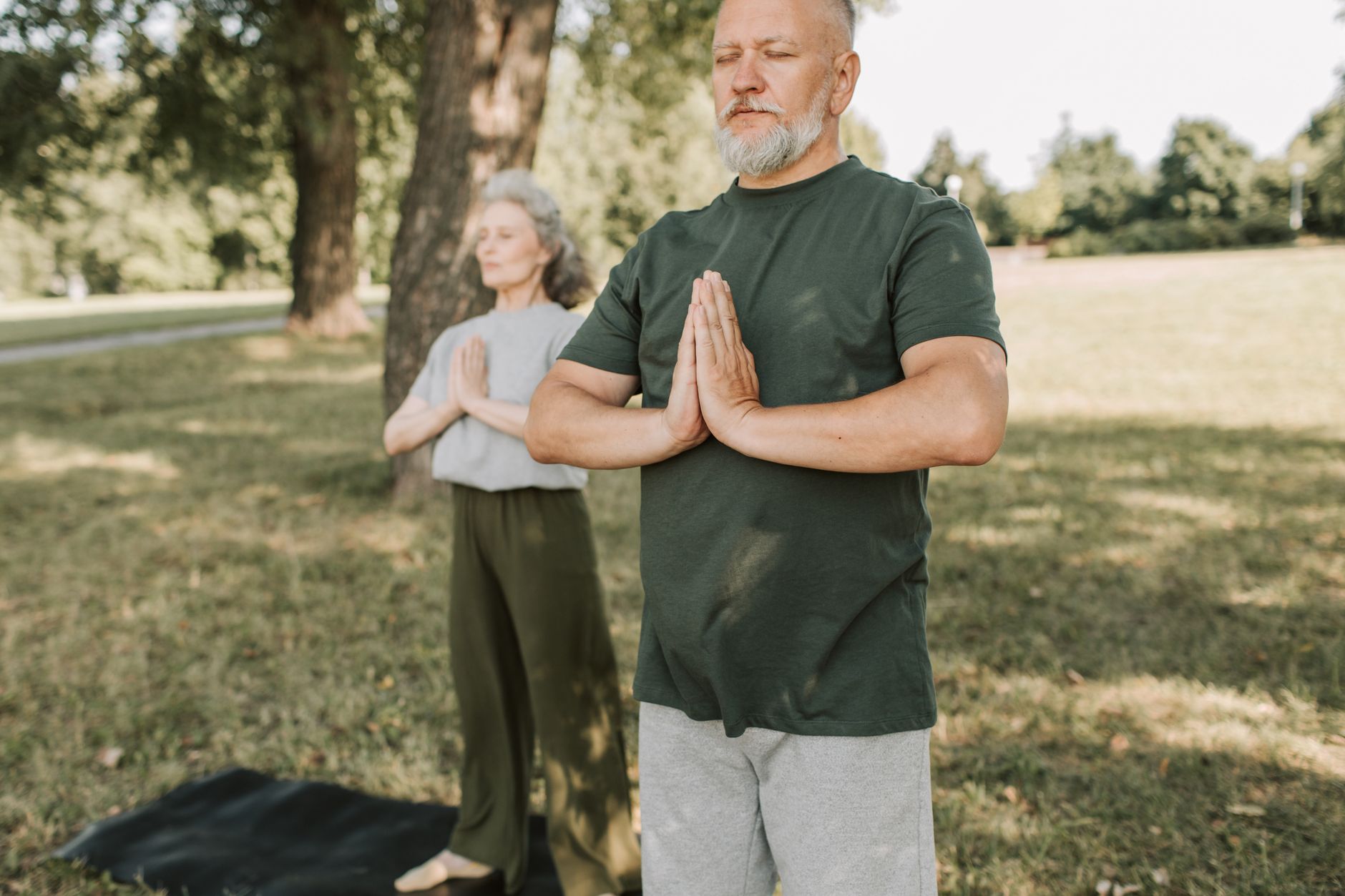
As we age, maintaining balance becomes increasingly important for independence and safety. Physical changes like decreased muscle mass and strength can affect our stability. Fortunately, regular balance and strength exercises can help slow these declines, keeping you mobile, strong, and confident on your feet. This guide offers practical exercises tailored for seniors in India, focusing on safety and effectiveness. We'll explore simple yet powerful movements you can incorporate into your daily routine to reduce the risk of falls and enhance your overall well-being. Why Balance Matters for Seniors Imagine an elderly person, perhaps your parent or grandparent, who once enjoyed walking in the park independently. Now, they hesitate to go out alone, fearful of a fall. This fear is common, but it doesn't have to be the norm. Maintaining good balance is key to staying active and preserving that sense of freedom. It means being steady on your feet, reducing your risk of falls, and boosting your confidence. When you feel secure, your mental well-being also improves, allowing you to engage more fully in life. Physical activity in older age is crucial. As muscle mass and strength naturally decrease, exercises that specifically target balance and stability become vital. This isn't just about preventing falls; it's about maintaining your ability to perform daily tasks with ease, from climbing stairs to simply reaching for an item on a shelf. A balanced body leads to a balanced mind and a more fulfilling life. Getting Started: Tips for Safe and Effective Practice Before you begin, it's helpful to understand a few key principles for practicing these exercises safely: Identify Your Dominant Leg: Start each exercise with your nondominant side. This way, the easier side will prepare you for the slightly more challenging side. Maintain Good Posture: Stand tall with your shoulders relaxed and your core gently engaged. Good form is more important than how high you lift your leg or how long you hold a pose. Focus Your Gaze: Pick a spot on the wall directly in front of you and keep your eyes fixed on it. This helps anchor your balance. Widen Your Stance: If you feel unsteady, try placing your feet a little farther apart. A wider base provides more stability. Slightly Bend Knees: Avoid locking your knees. A gentle bend prevents hyperextension and makes you more stable. Even Weight Distribution: Pay attention to where your weight is. Aim to distribute it evenly between both feet, noticing any tendency to lean forward, backward, or to one side. Progress Gradually: As your balance improves, you can experiment with closing one eye (briefly!), looking up, or trying different arm positions. But always prioritize safety. Footwear and Surface: You can do these exercises barefoot to strengthen foot muscles or wear supportive shoes for better grip. Consider using a yoga mat for cushioning and to prevent slipping. If possible, have someone nearby for support, especially when starting. Listen to Your Body: Modify the exercises as needed. If something feels painful, stop. The goal is gradual improvement, not pushing yourself too hard too soon. Simple Balance Exercises for Seniors Here are some effective exercises you can try. Remember to start slow and modify as needed. Aim to do each exercise 3 times on each side, holding for the recommended duration. 1. Single Leg Stand (Tree Pose Variation) This classic yoga pose is excellent for building single-leg strength and balance. Stand with your feet hip-distance apart, arms relaxed at your sides or placed on your hips. Shift your weight onto your right foot. Gently lift your left foot off the floor and bend your knee, bringing your heel towards your glutes. Hold this position for 10 to 15 seconds (or as long as comfortable). Slowly lower your foot back to the floor. Repeat 3 times on your left leg, then switch to the right leg. Modification: If holding for 10-15 seconds is challenging, start with 5 seconds and gradually increase. You can also use a wall or chair for support by lightly touching it. 2. Heel-to-Toe Walk (Tandem Walk) This exercise mimics walking in a straight line, challenging your balance in a dynamic way. Stand tall with your feet together. Place the heel of your right foot directly in front of the toes of your left foot, as if walking on a tightrope. Take a step forward, placing your left foot so its heel touches the toes of your right foot. Continue walking in a straight line for about 10-15 steps. Focus on maintaining your balance with each step. Turn around slowly and walk back. Modification: If this is too difficult, widen your stance slightly or keep your hands near a wall or chair for support. Focus on small, controlled steps. 3. Leg Swings (Forward and Backward) This exercise improves dynamic balance and hip flexibility. Stand facing a wall or the back of a sturdy chair, with hands lightly placed for support. Shift your weight onto your right foot, keeping a slight bend in your knee. Slowly swing your left leg forward, keeping it relatively straight but not locked. Aim to swing it forward as far as comfortable without leaning your torso forward. Pause for 1-2 seconds, then swing the leg back behind you, again without leaning. Continue this controlled swinging motion for 1 minute. Repeat 3 times on your left leg, then switch to the right leg. Modification: Start with smaller swings and fewer repetitions. Focus on smooth, controlled movements rather than the range of motion. 4. Side Leg Raises Strengthening the muscles on the side of your hips helps improve lateral stability. Stand tall facing a wall or chair, with your left shoulder near the support. Shift your weight onto your right foot. Slowly lift your left leg out to the side, keeping your leg straight and your torso upright. Don't swing your leg; lift it with control. Lift it only as high as comfortable without tilting your body. Hold for 2-3 seconds, then slowly lower it back down. Repeat 10-15 times on your left leg, then switch sides. Modification: If lifting the leg fully is hard, try lifting it just a few inches. Using the wall or chair for support is highly recommended. 5. Standing Marches This exercise mimics walking but with added balance challenge while standing in place. Stand tall with your feet hip-width apart. You can place your hands on your hips or out to the sides for balance. Lift your right knee towards your chest as high as you comfortably can, engaging your core. Pause for 1-2 seconds at the top. Slowly lower your right foot back to the floor. Repeat with your left knee. Continue alternating legs for 1 minute. Beginner Tip: If lifting the knee high is difficult, lift it just a few inches. Focus on controlled movement and maintaining an upright posture. 6. Tai Chi-Inspired Weight Shifts Tai Chi movements are known for their slow, flowing nature that greatly improves balance. Stand with your feet hip-width apart, knees slightly bent. Slowly shift your weight onto your right foot. As you do this, gently lift your left heel off the ground. Hold for a few seconds, then slowly shift your weight back to center, placing your left heel down. Now, shift your weight onto your left foot, lifting your right heel. Continue shifting your weight from side to side in a slow, controlled manner for 1 minute. Modification: Keep your feet flat on the floor if lifting the heel is too challenging. Focus on the smooth transfer of weight. When to Consult a Doctor While these exercises are generally safe, it's wise to consult your doctor or a physiotherapist before starting any new exercise program, especially if you have: A history of falls or dizziness Any chronic health conditions (like heart problems, diabetes, or arthritis) Recent surgery or injury Concerns about your balance or mobility A healthcare professional can assess your individual needs and recommend the most appropriate exercises for you. They can also identify any underlying medical issues contributing to balance problems. FAQs About Balance Exercises for Seniors Q1: How often should I do these balance exercises? Aim to perform these exercises at least 3-5 times a week. Consistency is key to seeing improvements in your balance and stability. Q2: What if I feel dizzy or unsteady during an exercise? Stop the exercise immediately and rest. If dizziness or unsteadiness persists, sit down and consult your doctor. It's important to listen to your body and not push yourself too hard. Q3: Can I do these exercises if I have knee pain? Some modifications might be needed. For example, with knee pain, focus on smaller movements and ensure your knee is never locked. Consulting a physiotherapist is highly recommended to get specific advice tailored to your condition. Q4: How long will it take to see improvement? Results vary from person to person. Some may notice a difference in a few weeks, while others might take a couple of months. Stick with the routine, be patient, and celebrate small victories! Q5:
In summary, timely diagnosis, evidence-based treatment, and prevention-focused care improve long-term health outcomes.