Tattoos have transitioned from a niche form of self-expression to a widespread cultural phenomenon. What was once associated with counter-culture is now embraced by people from all walks of life, including a growing number of older adults. As millions of people tattooed in their youth continue to age, and as more seniors choose to get their first tattoo, questions naturally arise about how these permanent marks interact with the aging process. How do tattoos look as skin changes? Are there unique health considerations for older adults with tattoos or those considering new ink? This comprehensive guide explores the fascinating intersection of tattoos and old age, offering insights into appearance, health implications, and care for tattooed skin through the years.
The Aging Canvas: How Skin Changes Over Time
Our skin is a dynamic organ, constantly renewing itself, yet it undergoes significant transformations as we age. Understanding these changes is crucial to comprehending how tattoos evolve.
Key Skin Changes with Aging:
- Loss of Collagen and Elastin: These proteins provide skin with its structure, firmness, and elasticity. As we age, their production slows, leading to sagging, wrinkles, and less resilient skin.
- Reduced Cell Turnover: The rate at which skin cells are replaced decreases, making skin appear duller and heal more slowly.
- Decreased Moisture and Oil Production: Sebaceous glands become less active, resulting in drier, more fragile skin that is prone to itching and irritation.
- Thinning Skin: Both the epidermis (outer layer) and dermis (middle layer) become thinner, making skin more susceptible to bruising and tearing.
- Accumulated Sun Damage: Years of sun exposure contribute to wrinkles, sunspots, and a loss of skin elasticity, often accelerating the aging process.
These natural physiological shifts directly impact the appearance and health of tattooed skin.
How Tattoos Evolve with Age
Just as our faces and bodies change, so too do our tattoos. The ink itself is permanent, but the canvas it rests upon is not static.
Fading and Discoloration:
Over decades, tattoos will inevitably fade. This is due to several factors:
- Sun Exposure: UV radiation is the primary culprit behind tattoo fading. It breaks down ink pigments, causing them to lose vibrancy. Tattoos on areas frequently exposed to the sun (e.g., forearms, neck, face) will fade faster than those on covered areas.
- Ink Quality and Color: Lighter colors (yellows, whites, pastels) tend to fade more quickly than darker colors (blacks, blues). Older tattooing techniques and lower-quality inks may also fade more rapidly.
- Immune System Response: The body’s immune system constantly works to remove foreign particles, including tattoo ink. Over time, this gradual process contributes to fading.
- Skin Turnover: While ink is deposited in the dermis, the constant shedding and regeneration of epidermal cells can still have a subtle long-term effect on the tattoo's clarity.
Blurring and Spreading:
As skin loses its elasticity and firmness, the finely detailed lines of a tattoo can become less crisp. The ink particles, once held tightly in place, may spread slightly within the less dense dermal layer.
- Loss of Skin Elasticity: Sagging skin can distort the original shape and lines of a tattoo. Fine lines may blur into thicker ones, and intricate details can become less discernible.
- Weight Fluctuations: Significant weight gain or loss, particularly common over a lifetime, can stretch or shrink the skin, altering the appearance of tattoos. Pregnancy is a notable example for women.
Changes in Skin Texture:
Wrinkles, age spots, and other textural changes on the skin will inevitably appear over and within a tattoo.
"A tattoo truly becomes a part of your skin's story, evolving with every wrinkle and change. It's a living canvas, reflecting a lifetime." - Dr. Anya Sharma, Dermatologist
Health Considerations for Older Adults with Tattoos
Beyond aesthetics, there are specific health implications for older individuals with tattoos, or those considering getting new ones.
Immune System and Healing:
- Slower Healing: As we age, our bodies heal more slowly. This means new tattoos may take longer to recover, increasing the window for potential complications.
- Compromised Immune Function: The immune system can become less robust with age, potentially making older adults more susceptible to infections from new tattoos.
- Pre-existing Conditions: Chronic conditions common in older age, such as diabetes, peripheral vascular disease, or autoimmune disorders, can significantly impair wound healing and increase infection risk. Individuals on immunosuppressants (e.g., for arthritis, organ transplant) also face higher risks.
Medical Procedures and Diagnosis:
- MRI Scans: While rare, some individuals with tattoos have reported mild burning or swelling during MRI scans. This is usually associated with older tattoos containing metallic pigments (iron oxide), which are less common in modern inks. It is crucial to inform medical staff about all tattoos before an MRI.
- Skin Cancer Screening: Densely tattooed areas can obscure early signs of skin cancer, such as melanoma. Regular self-examination and professional dermatological check-ups are vital, especially for individuals with many or large tattoos. Dermatologists are trained to examine tattooed skin, often using dermoscopy.
- Epidural Anesthesia: There's a theoretical concern about ink particles being pushed into the spinal canal during epidural administration if the needle passes through a tattooed area. While no definitive link to adverse outcomes has been established, some anesthesiologists prefer to avoid puncturing tattooed skin.
Allergic Reactions and Sensitivities:
Allergic reactions to tattoo ink, while uncommon, can occur even years after getting a tattoo. As the immune system changes with age, new sensitivities might emerge.
- Common Allergens: Red ink is most frequently associated with allergic reactions, often due to mercury sulfide (cinnabar). Other colors can also cause reactions.
- Symptoms: Reactions can manifest as itching, swelling, redness, rash, or persistent bumps (granulomas) within the tattooed area.
Getting Tattoos at an Older Age: What to Consider
More and more older adults are embracing tattoos, whether it's their first or an addition to existing ink. This can be a wonderful form of self-expression, but it requires careful consideration.
Before You Get Inked:
- Consult Your Doctor: Discuss your medical history, any chronic conditions (e.g., diabetes, heart disease, blood thinners), and medications with your healthcare provider. They can advise on potential risks and precautions.
- Choose a Reputable Artist and Studio: Look for a licensed studio that adheres to strict hygiene standards, uses sterile equipment, and has a proven track record. Ask to see their portfolio, especially of work on older skin if possible.
- Consider Placement: Older skin is thinner and more delicate. Areas prone to significant sagging or stretching may not hold ink as well. Choose flatter, less wrinkled areas for better results.
- Discuss Ink Choices: Ask about the types of ink used. Modern, high-quality inks are generally safer and more vibrant.
- Be Realistic: Understand that aging skin may not hold fine details as sharply as younger skin, and healing might take longer.
Aftercare for Aging Skin:
Proper aftercare is paramount for successful healing, especially for older adults.
- Keep it Clean: Gently wash the tattoo with mild, fragrance-free antibacterial soap and lukewarm water.
- Moisturize Regularly: Aging skin tends to be drier. Use a thin layer of a fragrance-free, hypoallergenic moisturizer recommended by your artist to keep the skin hydrated and promote healing.
- Protect from the Sun: Sun exposure is detrimental to new and old tattoos. Keep new tattoos covered and, once healed, use a broad-spectrum sunscreen with an SPF of 30 or higher consistently.
- Avoid Tight Clothing: Loose-fitting clothing prevents irritation and allows the tattoo to breathe.
- Stay Hydrated: Drinking plenty of water helps maintain skin elasticity and overall health.
- Follow Artist's Instructions: Adhere strictly to your tattoo artist's aftercare advice.
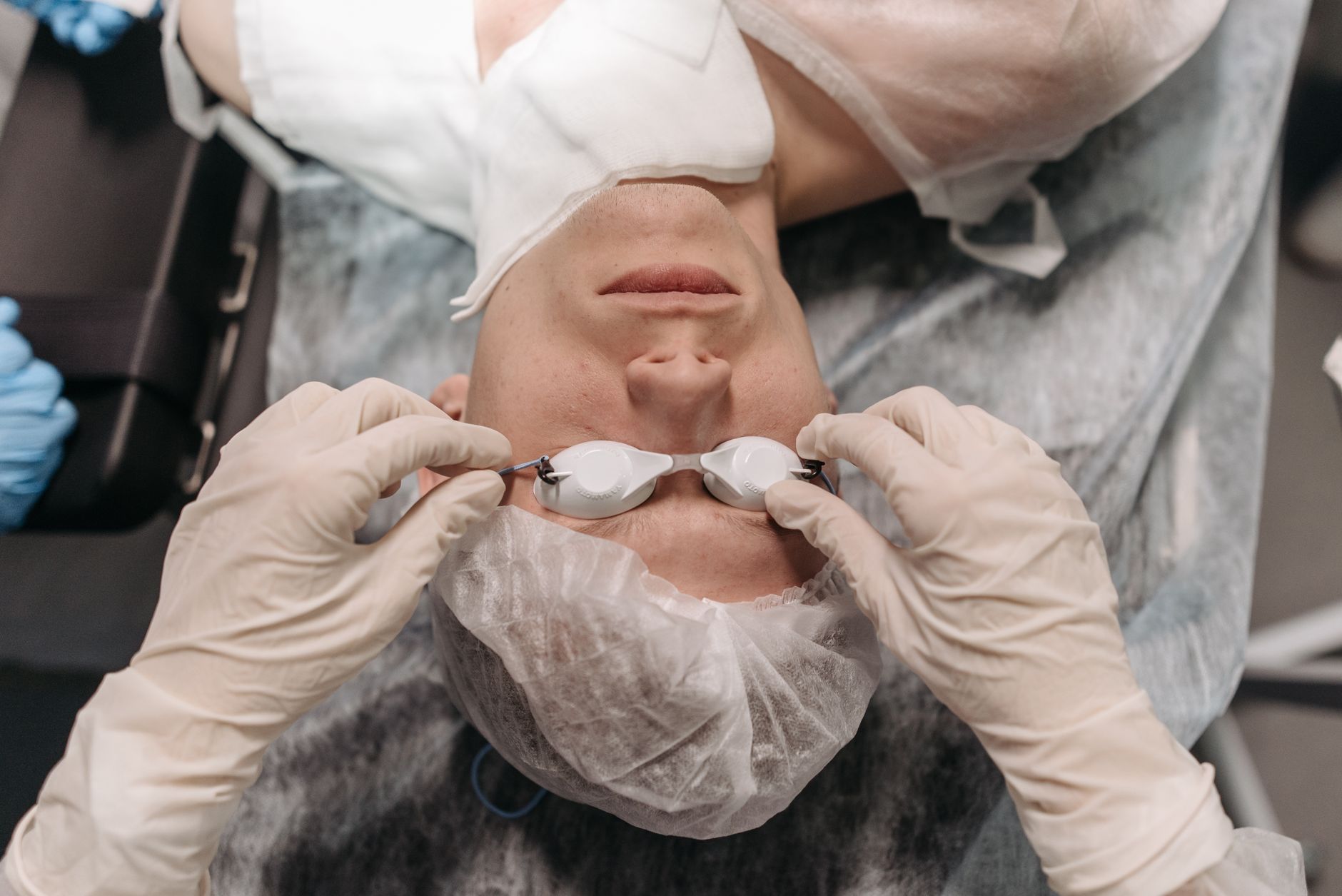
Tattoo Removal in Older Adults
For various reasons—changing tastes, career changes, or fading/blurring—some older adults may consider tattoo removal.
Removal Methods:
- Laser Removal (Q-switched or Picosecond lasers): This is the most common and effective method. Lasers break down ink particles into smaller fragments that the body's immune system can clear. Multiple sessions are required.
- Surgical Excision: For smaller tattoos, surgical removal may be an option, especially if the tattoo is on an area with loose skin that can be easily closed.
- Dermabrasion: Less common now, this method involves sanding down layers of skin to remove ink. It is less effective and carries higher risks of scarring.
Considerations for Older Skin During Removal:
- Skin Elasticity: Less elastic skin may take longer to heal after laser treatments and might be more prone to textural changes.
- Number of Sessions: Faded tattoos might require fewer sessions, but the overall health and healing capacity of older skin can influence the process.
- Potential for Scarring: As with any skin procedure, there's a risk of scarring. This risk might be slightly elevated in older, more fragile skin.
- Cost: Tattoo removal can be expensive and is rarely covered by insurance.
Prevention and Long-Term Care for Tattooed Skin
Maintaining the vibrancy and health of your tattoos throughout your life requires consistent effort.
- Sun Protection is Key: Always apply a broad-spectrum sunscreen (SPF 30+) to tattooed areas whenever exposed to the sun. Consider UPF clothing for prolonged outdoor activities.
- Moisturize Regularly: Keeping your skin hydrated helps maintain its elasticity and can make tattoos appear more vibrant.
- Stay Hydrated Internally: Drinking enough water contributes to overall skin health.
- Healthy Lifestyle: A balanced diet rich in antioxidants, regular exercise, and avoiding smoking can significantly impact skin health and, by extension, the longevity of your tattoos. Smoking, in particular, accelerates skin aging.
- Regular Skin Checks: Be vigilant about any changes in your tattooed skin, such as new bumps, moles, persistent itching, or discoloration. Consult a dermatologist for any concerns.
When to See a Doctor
While tattoos are generally safe, certain signs warrant medical attention, especially for older adults.
- Signs of Infection: Increased redness, swelling, warmth, severe pain, pus, or fever.
- Persistent Itching or Rash: Could indicate an allergic reaction, which can occur years after getting a tattoo.
- New Lumps or Bumps: Granulomas or other skin reactions.
- Changes in Moles or Skin Lesions: If you notice any changes in a mole within or near a tattoo (size, shape, color, border, symmetry), consult a dermatologist immediately.
- Before Getting a New Tattoo: If you have chronic health conditions, are on blood thinners, or have a compromised immune system, always consult your doctor first.
- Before Tattoo Removal: Discuss your options and potential risks with a dermatologist or a qualified removal specialist.
FAQs About Tattoos and Old Age
Q1: Do tattoos look bad when you get old?
A1: Not necessarily. While tattoos will naturally fade and blur somewhat as skin ages and loses elasticity, many older individuals wear their tattoos beautifully. The appearance largely depends on the original tattoo quality, placement, and how well it was cared for (especially sun protection) throughout life.
Q2: Is it riskier to get a tattoo when you're older?
A2: There can be slightly increased risks due to slower healing, thinner skin, and potential pre-existing health conditions or medications common in older age (e.g., diabetes, blood thinners, weakened immune systems). Consulting a doctor before getting a new tattoo is highly recommended for older adults.
Q3: Can old tattoos be touched up?
A3: Yes, many older, faded, or blurred tattoos can be successfully touched up or reworked by a skilled artist. This can refresh the colors, sharpen lines, and even incorporate new elements to update the design.
Q4: Do tattoos interfere with medical procedures like MRIs?
A4: Rarely. While there have been isolated reports of mild burning or swelling in tattoos during MRI scans (usually with older, metallic-pigmented inks), it's not a common issue with modern inks. Always inform your medical team about all your tattoos before an MRI.
Q5: How can I protect my tattoos from aging?
A5: The best protection is consistent sun protection (high SPF sunscreen, protective clothing), regular moisturizing, staying hydrated, and maintaining a healthy lifestyle. These practices help preserve skin health and, by extension, the vibrancy of your tattoos.
Conclusion
Tattoos are a deeply personal form of art that tell a story, and that story continues to unfold as we age. While it's true that tattoos on aging skin will look different than they did in youth—perhaps a little softer, a bit faded, or subtly stretched—they can still be a source of pride and beauty. Understanding how skin changes, being aware of potential health considerations, and practicing diligent aftercare are key to ensuring your inked artwork ages gracefully with you. Whether you're considering your first tattoo in your senior years or caring for ink acquired decades ago, embracing the journey of your tattooed skin is a testament to a life lived.