

Emergency & Help
24/7 Emergency & General Advisory
🚨 24/7 Medical Emergency
Non-Emergency Advisory
10:00 AM – 6:00 PM, Mon–Sat
For appointments & general queries.
24/7 Emergency & General Advisory
🚨 24/7 Medical Emergency
Non-Emergency Advisory
10:00 AM – 6:00 PM, Mon–Sat
For appointments & general queries.
Understand how Medicare covers chiropractic care, including what's covered, what's not, and how different plans like Part B, Part C, and Medigap play a role. Essential information for seniors seeking chiropractic treatment.

Navigating healthcare coverage can feel like a maze, especially when you're looking into treatments like chiropractic care. Many people in India, particularly our seniors, wonder if their healthcare plans, like Medicare, will help pay for visits to a chiropractor. This is a valid question, as chiropractic care focuses on the alignment of your body's musculoskeletal system, primarily the spine, and can be very effective for certain conditions.
Before we dive into coverage, let's briefly touch upon what chiropractic care involves. At its heart, it's a non-invasive treatment focused on the relationship between your body's structure, particularly your spine, and your overall health and function. Chiropractors use a variety of techniques, with the most common being spinal manipulation, often called an adjustment. This involves applying controlled, sudden force to a spinal joint, aiming to improve alignment and reduce nerve irritation.
Think of it this way: our spine is like the central highway for our nervous system. If there's a roadblock or miscommunication due to misalignment (what chiropractors call 'subluxation'), it can affect signals traveling to and from the brain, potentially causing pain and other issues elsewhere in the body. Chiropractic care aims to clear these roadblocks.
This is the big question! For those who rely on Medicare, the answer is: yes, but with specific conditions. Original Medicare, which includes Part A and Part B, has rules about what it covers.
Medicare Part B is the part that covers medically necessary outpatient services and preventive care. This is where chiropractic care finds its coverage. Specifically, Medicare Part B will cover chiropractic treatment, but only for the diagnosis and treatment of spinal subluxation. Spinal subluxation refers to the misalignment of a vertebra in your spine.
If your chiropractor diagnoses you with spinal subluxation and determines that spinal manipulation is medically necessary to correct it, Medicare Part B can help. It typically covers 80% of the cost of these treatments after you have met your annual Part B deductible. This means you'll be responsible for the remaining 20% as coinsurance, unless you have supplemental coverage.
Medicare Part A covers inpatient hospital stays, skilled nursing facility care, hospice care, and some home health care. Because chiropractic care is an outpatient service typically performed in a doctor's office, Medicare Part A does not cover chiropractic visits.
It's not as simple as just walking into a chiropractor's office and expecting Medicare to pay. Here are the key requirements:
Medicare's coverage for chiropractic care primarily focuses on the manual adjustment itself. This means that Medicare usually does not cover the costs of diagnostic tests that your chiropractor might order, such as X-rays, MRIs, or other imaging studies. You would typically be responsible for the full cost of these tests.
If you have a Medicare Advantage plan (also known as Part C), your coverage might be different. These plans are offered by private insurance companies approved by Medicare. While they must provide at least the same benefits as Original Medicare (Parts A and B), they often offer additional benefits.
Some Medicare Advantage plans may offer broader coverage for chiropractic services, potentially including treatments beyond just spinal manipulation or covering diagnostic tests. However, the specifics vary significantly from plan to plan. It is absolutely essential to:
Medigap policies are designed to help fill the
Most people do not notice early warning signs right away. That is common. A simple symptom diary, basic routine checks, and timely follow-up visits can prevent small problems from becoming serious.
If you are already on treatment, stay consistent with medicines and lifestyle advice. If your symptoms change, do not guess. Check with a qualified doctor and update your plan early.
Write down symptoms, triggers, and timing for a few days.
Carry old prescriptions and test reports to your consultation.
Ask clearly about side effects, red-flag signs, and follow-up dates.
Seek urgent care for severe pain, breathing trouble, bleeding, fainting, or sudden worsening.
Visit Hospital
Near You

Understand Medicare Part C (Medicare Advantage): what it covers, different plan types (HMO, PPO), costs, and how to choose the best plan for your needs. Get comprehensive health coverage beyond Original Medicare.
April 1, 2026
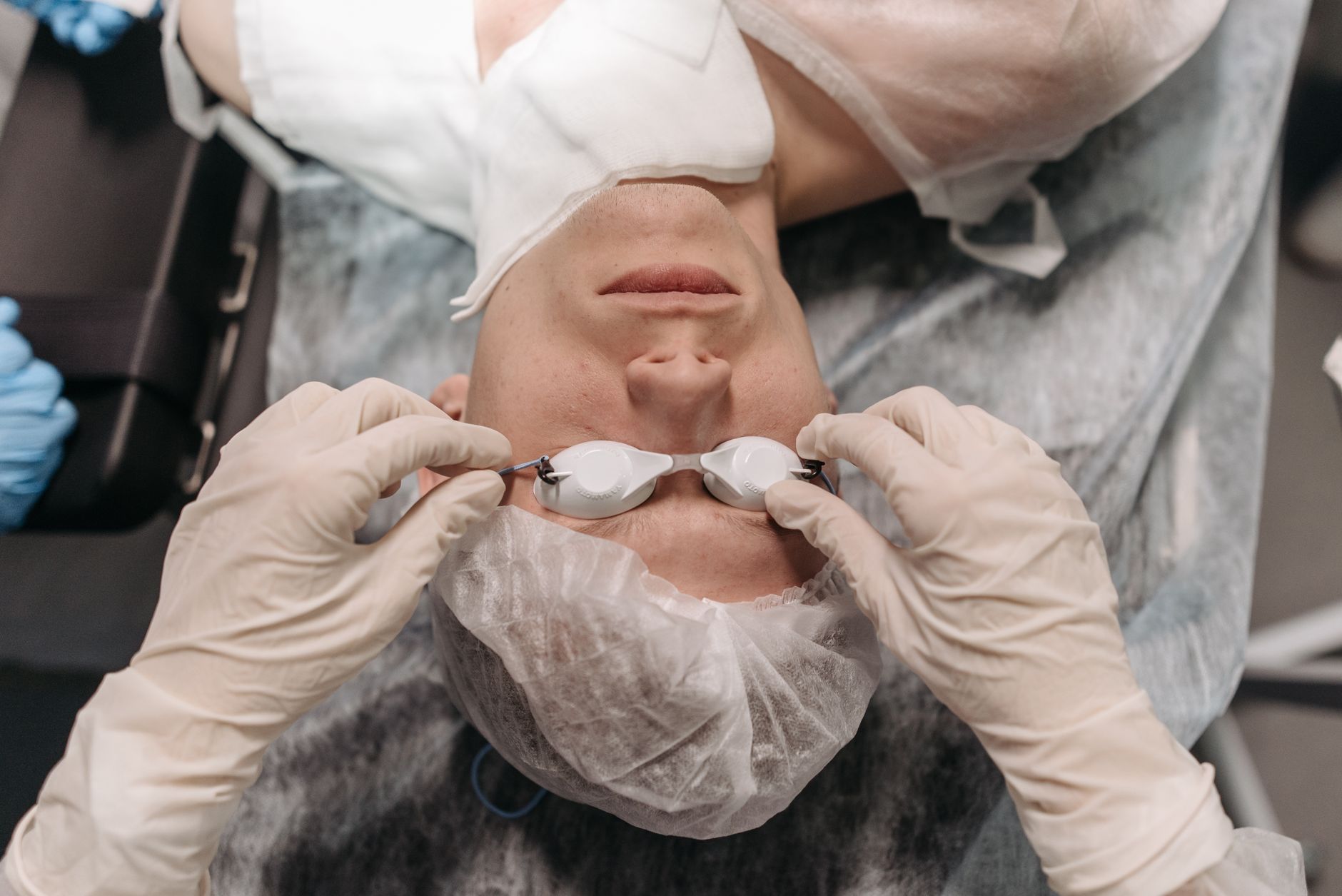
Learn how Medicare covers cataract surgery in India. Understand costs, types of surgery, what Medicare Parts A, B, C, and D cover, and potential out-of-pocket expenses for seniors.
April 1, 2026

Understand Medicare's coverage for dental care. Learn about Original Medicare limitations, Medicare Advantage options, and alternative solutions for seniors in India to maintain oral health.
April 1, 2026