

Sperm freezing process
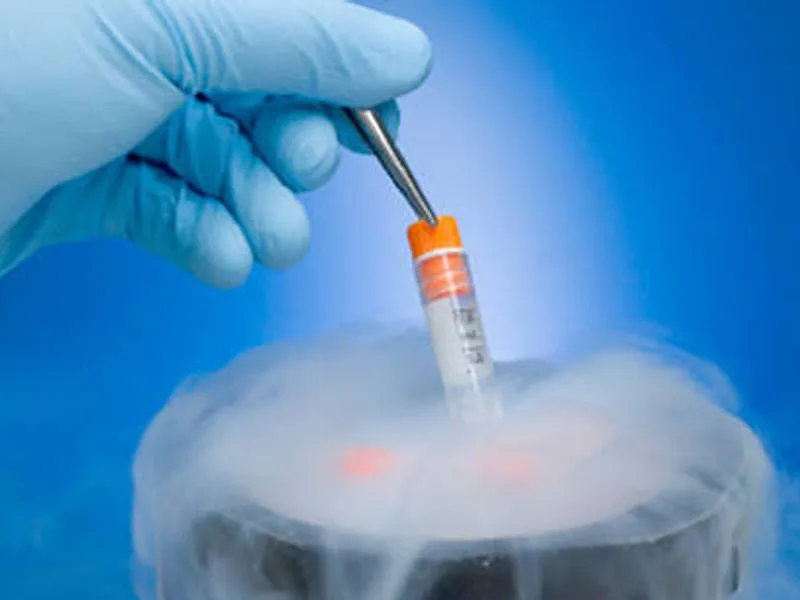
Sperm freezing, also called sperm cryopreservation, allows sperm to be stored for future fertility treatment. The process usually involves providing a semen sample, laboratory testing, mixing the sample with a protective cryoprotectant,
What is sperm freezing?
Sperm freezing is a fertility-preservation technique in which sperm are collected, processed and stored at extremely low temperatures for possible future use.
The established method for post-pubertal males is ejaculated semen cryopreservation. The American Society for Reproductive Medicine (ASRM) recommends prompt fertility-preservation counselling for people facing treatments that could damage reproductive function.
Sperm are generally stored in liquid nitrogen or liquid-nitrogen vapour at temperatures around -196°C. At these temperatures, cellular biological activity is effectively halted, allowing appropriately stored sperm to remain available for future treatment.
For men concerned about fertility, Doctar's guide to male infertility causes explains the conditions that can make conception difficult.
Why do men freeze their sperm?
Sperm banking is particularly important when a medical treatment could damage sperm production.
Common situations include:
chemotherapy
radiation therapy
some surgeries involving the reproductive system
certain medical conditions that may impair future sperm production
fertility preservation before potentially damaging treatment
ASRM recommends collecting sperm before gonadotoxic treatment, such as chemotherapy or radiation, whenever possible. Men with suspected testicular cancer should also be offered sperm cryopreservation before orchiectomy when appropriate.
Some men may also choose sperm storage for personal fertility planning or because future circumstances could make sperm collection more difficult.
Step 1: Consultation and consent
The process begins with a fertility or reproductive-medicine consultation.
The clinic explains why sperm storage is being considered, how samples will be collected, possible future uses and what happens to the samples if the patient later wants them discarded or transferred.
Consent and storage documentation are important parts of the process. ASRM recommends that patients understand the risks and benefits of cryopreservation and make decisions about the future disposition of stored semen.
The exact legal requirements and storage rules vary by country and clinic.
Step 2: Semen collection
For most adult men, sperm are collected by masturbation into a sterile container provided by the fertility clinic.
The clinic may recommend a specific period of sexual abstinence before collection. Instructions vary, so patients should follow their fertility centre's instructions rather than relying on a generic internet recommendation.
For example, Cambridge IVF advises patients to abstain for 2–5 days when possible, while another NHS fertility centre recommends 2–7 days.
If producing a sample is difficult because of erectile or ejaculation problems, the fertility team may discuss alternatives. ASRM describes medically assisted collection, penile vibratory stimulation and electroejaculation as options in selected situations.
Step 3: The laboratory examines the sample
The semen is assessed before freezing.
The laboratory may check:
sperm concentration
sperm movement
sperm appearance
semen characteristics
whether viable sperm are present
This helps the laboratory determine how much usable sperm is available for storage and how the sample may be used later.
Doctar's semen analysis guide explains what sperm count, motility and morphology mean.
An important point: freezing does not improve poor-quality sperm. The laboratory is preserving the sperm that are available at the time of collection.
Step 4: Cryoprotectant is added
Sperm cells can be damaged by ice formation during freezing.
To reduce this damage, the laboratory mixes the semen with a special protective solution called a cryoprotectant. ASRM notes that appropriate cryoprotectants and controlled cooling are used to minimise intracellular ice formation.
The sample is then divided into smaller storage containers, such as cryogenic straws or vials.
Each container must be carefully labelled and tracked so the sample can be correctly identified later. Fertility laboratories use detailed identification and documentation procedures for this purpose.
Step 5: Controlled freezing
The sample is cooled using a laboratory-controlled freezing protocol.
Depending on the laboratory's method, the sample may first be exposed to liquid-nitrogen vapour or another controlled cooling system before being placed into long-term cryogenic storage.
The objective is to reduce cellular damage while bringing the sperm to a temperature at which biological activity is effectively stopped.
This is a highly controlled laboratory procedure, not something that can be safely performed with a normal household freezer.
Step 6: Long-term storage
Once frozen, sperm are stored in specialised cryogenic tanks containing liquid nitrogen or liquid-nitrogen vapour.
The storage temperature is around -196°C. Special monitoring systems are used to maintain appropriate storage conditions and identify problems with tank temperature or liquid-nitrogen levels.
Samples may be divided into several containers rather than storing everything in one vial. This can allow individual samples to be thawed when needed rather than exposing the entire stored collection to the thawing process.
How many samples should be frozen?
There is no single number that is appropriate for every man.
ASRM notes that multiple collections may be considered during fertility preservation to increase the amount of stored sperm and future treatment options.
The number of samples needed depends on sperm quality, the reason for freezing and whether the stored sperm might eventually be used for intrauterine insemination (IUI), in-vitro fertilisation (IVF) or intracytoplasmic sperm injection (ICSI).
A fertility specialist can explain what is realistic for an individual patient.
What happens when frozen sperm are needed?
When the stored sperm are needed, a laboratory removes the appropriate vial or straw from cryogenic storage and thaws it according to the protocol used for that sample.
ASRM notes that thawing methods depend on how the sperm were originally cryopreserved. The cryoprotectant may then be removed during laboratory processing before the sperm are used for fertility treatment.
The sperm may potentially be used in treatments such as IUI, IVF or ICSI, depending on the number and quality of surviving sperm and the treatment plan.
Doctar's male fertility testing guide explains the tests doctors may use when evaluating male reproductive health.
Do all sperm survive freezing and thawing?
No.
Some sperm may be damaged or lose their ability to move during the freezing and thawing process.
Cambridge IVF routinely tests a small portion of the stored sample after freezing to assess how well the sperm survive thawing.
This is one reason fertility clinics may recommend more than one collection, particularly when sperm numbers are low before freezing.
A stored sample is therefore not a guarantee of future pregnancy. Its usefulness depends on sperm quality, the number of sperm stored, the chosen fertility treatment and other reproductive factors.
Can sperm be frozen if the sperm count is very low?
Sometimes.
A low sperm count does not necessarily make cryopreservation impossible. The fertility laboratory can assess the sample and determine whether enough viable sperm are available for storage and what future treatment might be possible.
In men with severely impaired sperm production, additional fertility-preservation approaches may sometimes be considered.
ASRM notes that some men with cancer already have impaired sperm production before treatment, which can result in limited sperm available in each ejaculate.
Doctar's guide to low sperm count causes provides further information about why sperm numbers can be low.
What if a man cannot produce a semen sample?
Difficulty producing a sample does not necessarily mean sperm cannot be preserved.
Anxiety, erectile dysfunction, ejaculation disorders, neurological conditions, medications and some medical conditions can make collection difficult. ASRM describes several medically assisted collection approaches that can be used in selected patients.
Doctar's resources on erectile dysfunction and delayed ejaculation may be useful for readers dealing with sexual-function problems alongside fertility concerns.
What if cancer treatment is about to begin?
Timing matters.
For men facing chemotherapy, radiation or certain reproductive surgeries, sperm banking should ideally be discussed before treatment begins. ASRM specifically recommends sperm collection before gonadotoxic treatment whenever possible.
Waiting until after treatment can reduce the options available. ASRM notes that many centres do not routinely offer sperm cryopreservation after cancer therapy has begun because treatment can damage sperm and potentially affect reproductive outcomes.
This is a conversation that should happen quickly with the treating cancer team and a fertility specialist.
Does sperm freezing guarantee future fertility?
No.
Sperm freezing preserves an opportunity; it does not guarantee a baby.
The outcome can depend on the quality and quantity of stored sperm, how many samples are available, the fertility treatment used and the reproductive health of both partners.
That distinction matters. Sperm banking is best understood as fertility preservation, not fertility insurance.
What about lifestyle before sperm freezing?
Healthy habits remain useful.
Smoking, heavy alcohol consumption, anabolic steroids, some medical conditions and other factors can affect sperm production. Improving these factors may support reproductive health, although lifestyle changes cannot correct every cause of male infertility.
Doctar's sperm quality improvement tips covers practical measures involving diet, exercise, smoking, alcohol and general health.
Men should also be cautious about starting testosterone while trying to preserve fertility. Doctar's information on testosterone and men's health explains why external testosterone can suppress sperm production.
In clinical practice, sperm freezing is often discussed only after a man has already been told that treatment may threaten his fertility. Ideally, the fertility conversation happens before treatment starts, when there are still more options available.
What happens to stored sperm if you no longer need it?
The patient generally has to make decisions about storage, future use and disposal according to the clinic's consent process and applicable law.
ASRM recommends clear documentation concerning the disposition of stored reproductive material.
Storage rules, fees, maximum storage periods and consent requirements differ between countries and clinics. Patients should ask their fertility centre for the exact terms before signing storage documents.


