

Emergency & Help
24/7 Emergency & General Advisory
🚨 24/7 Medical Emergency
Non-Emergency Advisory
10:00 AM – 6:00 PM, Mon–Sat
For appointments & general queries.
24/7 Emergency & General Advisory
🚨 24/7 Medical Emergency
Non-Emergency Advisory
10:00 AM – 6:00 PM, Mon–Sat
For appointments & general queries.
A review of the Lively Mobile Plus medical alert device, exploring its features, benefits, and limitations, with insights for Indian seniors seeking similar safety solutions.

Understanding Medical Alert Devices: The Role of Lively Mobile Plus In today's fast-paced world, ensuring the safety and well-being of our elderly loved ones is paramount. Many seniors in India, particularly those living alone or with limited mobility, face the constant concern of potential medical emergencies. Medical alert devices, also known as Personal Emergency Response Systems (PERS), have emerged as a crucial tool to provide peace of mind and immediate assistance when needed. These devices are designed to empower seniors to live independently while having a reliable safety net. One such device making waves in the market is the Lively Mobile Plus. While primarily designed for the US market, understanding its features, benefits, and limitations can offer valuable insights for Indian consumers seeking similar safety solutions. This review delves into what the Lively Mobile Plus offers, its pros and cons, and how it could potentially be adapted or inspire local alternatives for the Indian context. What is Lively Mobile Plus? The Lively Mobile Plus is a wearable medical alert device. Its primary function is to allow individuals, especially seniors, to quickly call for help during a medical emergency, even if they are unable to reach a traditional phone. It's designed to be discreet, portable, and easy to use, offering a direct line to trained urgent response agents. Key Features of Lively Mobile Plus: 24/7 Urgent Response: The device connects users to a team of urgent response agents who are available around the clock to assist in emergencies. Two-Way Communication: A simple button press initiates a conversation with an agent, allowing them to assess the situation and provide guidance or dispatch help. Built-in GPS: The device features GPS tracking, enabling agents to pinpoint the user's location accurately, which is critical in emergencies. Lively Link App Integration: The device can sync with the Lively Link app on a smartphone. This app can notify pre-selected contacts (family, friends, caregivers) when the user calls for help, keeping their support network informed. Fall Detection (Optional): For an additional monthly fee, the Lively Mobile Plus can be equipped with automatic fall detection. If a fall is detected, it can automatically alert the urgent response agents, even if the user is unable to press the button. Waterproof Design: The device is waterproof, making it safe to wear in the shower or bath, areas where falls are more common. Long Battery Life: The device boasts a battery life of up to 80 hours on a full charge, reducing the frequency of charging. Portability: It doesn't require a home base and can be used anywhere within its service area (primarily the US). It can be worn as a pendant, attached to a belt, or kept in a pocket or purse. How Lively Mobile Plus Works When a user presses the help button on the Lively Mobile Plus, it establishes a connection with Lively's urgent response center. The trained agents then communicate with the user to understand the nature of the emergency. Leveraging the device's GPS, they can determine the user's location. Based on the assessment, they can provide immediate advice, contact local emergency services (like ambulances or police), or notify the user's designated emergency contacts through the Lively Link app. Pros and Considerations for Indian Users While Lively Mobile Plus is a US-based service, examining its strengths and weaknesses can help us understand what to look for in similar devices available or developable in India. Pros: Enhanced Independence: Empowers seniors to live more independently, knowing help is just a button press away. Peace of Mind: Provides reassurance to both the user and their family members. Quick Response: Designed for rapid emergency assistance. Location Services: GPS ensures help can be sent to the correct location. Optional Fall Detection: An important feature for individuals prone to falls. Water Resistance: Suitable for use in bathrooms. App Integration: Keeps the wider support network informed. Considerations: Service Area Limitations: The Lively Mobile Plus primarily operates within the United States. This is a significant limitation for users in India. Cost Structure: The device involves several costs: the initial purchase price ($50), an activation fee ($25-$35), and monthly subscription fees ($25-$35 for basic and premium plans, plus an extra $10 for fall detection). This can add up, and the value proposition needs careful consideration. Charging Time: A full charge takes about 6 hours, which means users need to plan their charging routine, ideally overnight. Customer Reviews: Lively has received mixed reviews, with a notable low rating on platforms like Trustpilot (1.8 out of 5 stars), suggesting potential issues with customer service or device reliability for some users. Availability in India: Direct availability and support for Lively Mobile Plus in India are currently non-existent. What to Look for in Medical Alert Devices for India Given the limitations of direct access to devices like Lively Mobile Plus in India, it's essential to identify key features and considerations when looking for suitable alternatives: 1. Local Availability and Support: Prioritize devices and services that are readily available and supported within India. This ensures easier setup, troubleshooting, and ongoing service. 2. Reliable Emergency Response Network: The core of any medical alert system is its response network. Look for providers with a well-established, 24/7 monitoring center that can quickly and effectively respond to emergencies. Ideally, this center should have protocols for Indian emergency services. 3. GPS and Location Tracking: GPS functionality is crucial for accurate location identification, especially in a country with diverse and sometimes complex addresses. 4. Fall Detection: For seniors prone to falls, an automatic fall detection feature can be a life-saver. Ensure this feature is reliable and accurately calibrated. 5. Ease of Use: The device should be simple to operate, with large, clearly marked buttons and intuitive functionality. Seniors should be able to use it without technical difficulties. 6. Battery Life and Charging: A long battery life is essential to avoid frequent charging. Consider the charging method and time required. 7. Durability and Water Resistance: The device should be robust enough for daily wear and tear and ideally water-resistant for use in bathrooms. 8. Connectivity Options: Some devices use cellular networks, while others might rely on Wi-Fi or a combination. Understand the connectivity requirements and ensure they are suitable for the user's living environment. 9. Cost-Effectiveness: Evaluate the total cost, including the device price, activation fees, and monthly subscription charges. Compare different providers to find the best value. 10. Companion App Features: If a companion app is available, check its features, such as contact notifications, location sharing, and device status updates. When to Consult a Doctor or Healthcare Professional While medical alert devices are safety tools, they are not a substitute for regular medical care. It's crucial for seniors and their caregivers to: Regular Health Check-ups: Ensure seniors undergo regular medical check-ups to manage chronic conditions and address any emerging health concerns. Discuss Emergency Preparedness: Talk to a doctor about the senior's specific health risks and how best to prepare for emergencies. Review Device Needs: Consult with a healthcare professional or a geriatric care specialist to determine if a medical alert device is appropriate and which features would be most beneficial. Understand Device Limitations: Be aware that no device is foolproof. Discuss potential limitations and backup plans with healthcare providers. Frequently Asked Questions (FAQ) Q1: Can I buy Lively Mobile Plus in India? A: No, Lively Mobile Plus is primarily a US-based service and is not directly available or supported in India. You would need to look for local Indian providers offering similar medical alert systems. Q2: How much does a medical alert device typically cost in India? A: Costs can vary significantly. You might find devices with a one-time purchase fee ranging from ₹2,000 to ₹10,000, plus monthly monitoring fees that could range from ₹300 to ₹1,000 or more, depending on the features and service provider. Q3: Are medical alert devices reliable? A: Most reputable medical alert devices are reliable, but like any technology, they can have occasional issues. It's important to choose a trusted provider with a strong track record and good customer reviews. Regular testing of the device is also recommended. Q4: Do these devices work without a mobile phone or Wi-Fi? A: Many standalone medical alert devices use their own cellular connection (like a built-in SIM card) to communicate with the monitoring center, so they don't necessarily require a separate mobile phone or home Wi-Fi. However, some newer smart devices might leverage Wi-Fi or Bluetooth for app connectivity. Q5: What happens if the battery dies on a medical alert device? A: If the battery dies, the device will not function. Most devices provide low-battery alerts to the user and sometimes to the monitoring center or designated contacts. It's crucial to follow the charging recommendations provided by the manufacturer. Conclusion The Lively Mobile Plus offers a comprehensive set of features designed to enhance senior safety and independence. While its direct application in India is limited due to geographical restrictions, its functionalities serve as a benchmark for evaluating similar medical alert systems available locally. For Indian seniors
In summary, timely diagnosis, evidence-based treatment, and prevention-focused care improve long-term health outcomes.
Visit Hospital
Near You

Discover the best mobile apps for migraine tracking and management. Learn how these tools can help you identify triggers, log symptoms, and work with your doctor for better control.
April 1, 2026

Explore Radiofrequency (RF) skin tightening: a non-surgical treatment that uses heat to stimulate collagen, reduce wrinkles, and firm sagging skin. Learn how it works, its benefits, and what to expect.
April 1, 2026
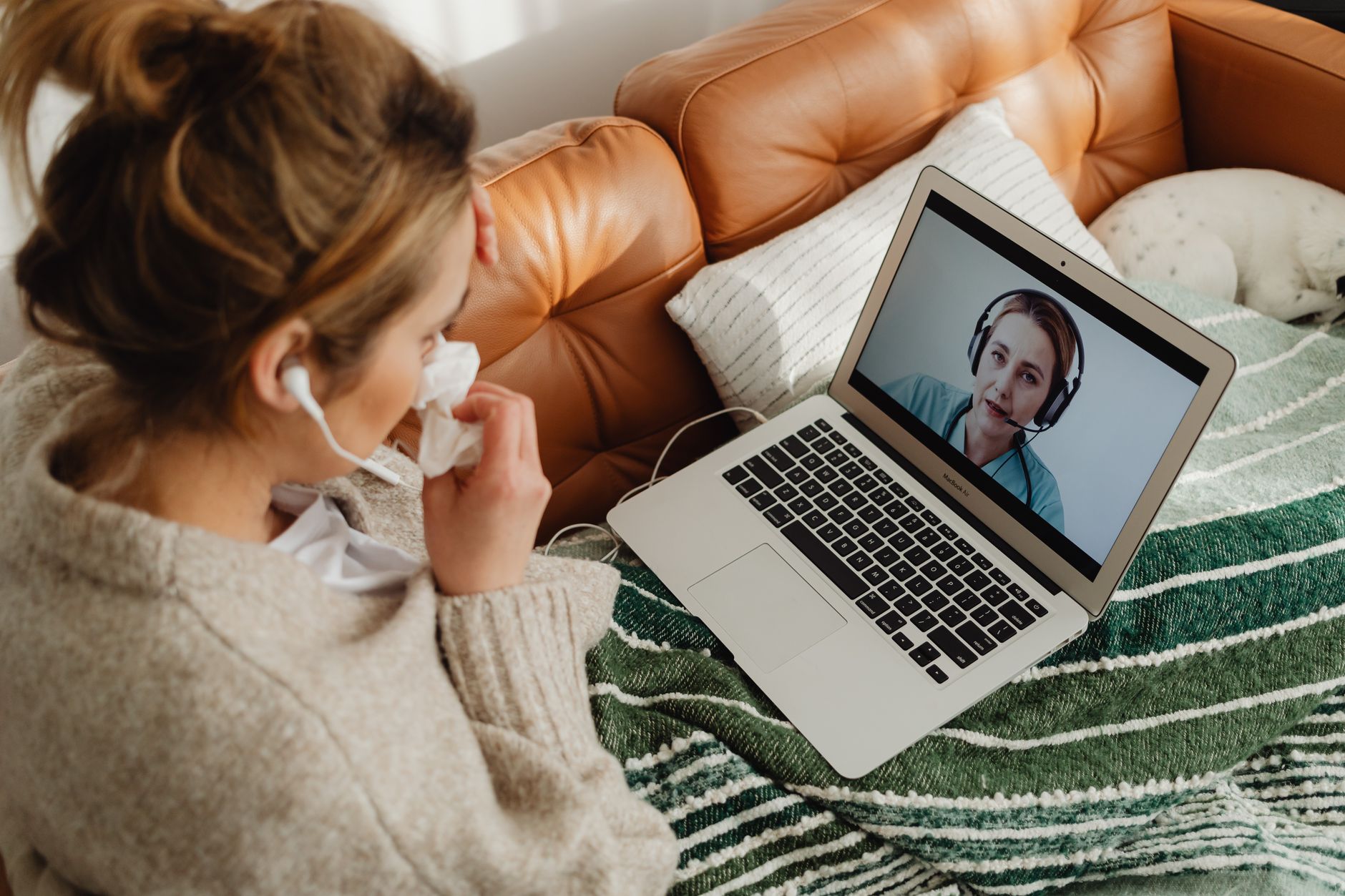
Explore Nurx, a telemedicine platform offering birth control, STI testing, and more. Understand its services, pros, cons, and how it compares to the healthcare landscape in India.
April 1, 2026