

Emergency & Help
24/7 Emergency & General Advisory
🚨 24/7 Medical Emergency
Non-Emergency Advisory
10:00 AM – 6:00 PM, Mon–Sat
For appointments & general queries.
24/7 Emergency & General Advisory
🚨 24/7 Medical Emergency
Non-Emergency Advisory
10:00 AM – 6:00 PM, Mon–Sat
For appointments & general queries.
Learn how to build an effective DIY air purifier using a box fan and a high-quality filter to improve your indoor air quality, especially during periods of smoke or high pollution.
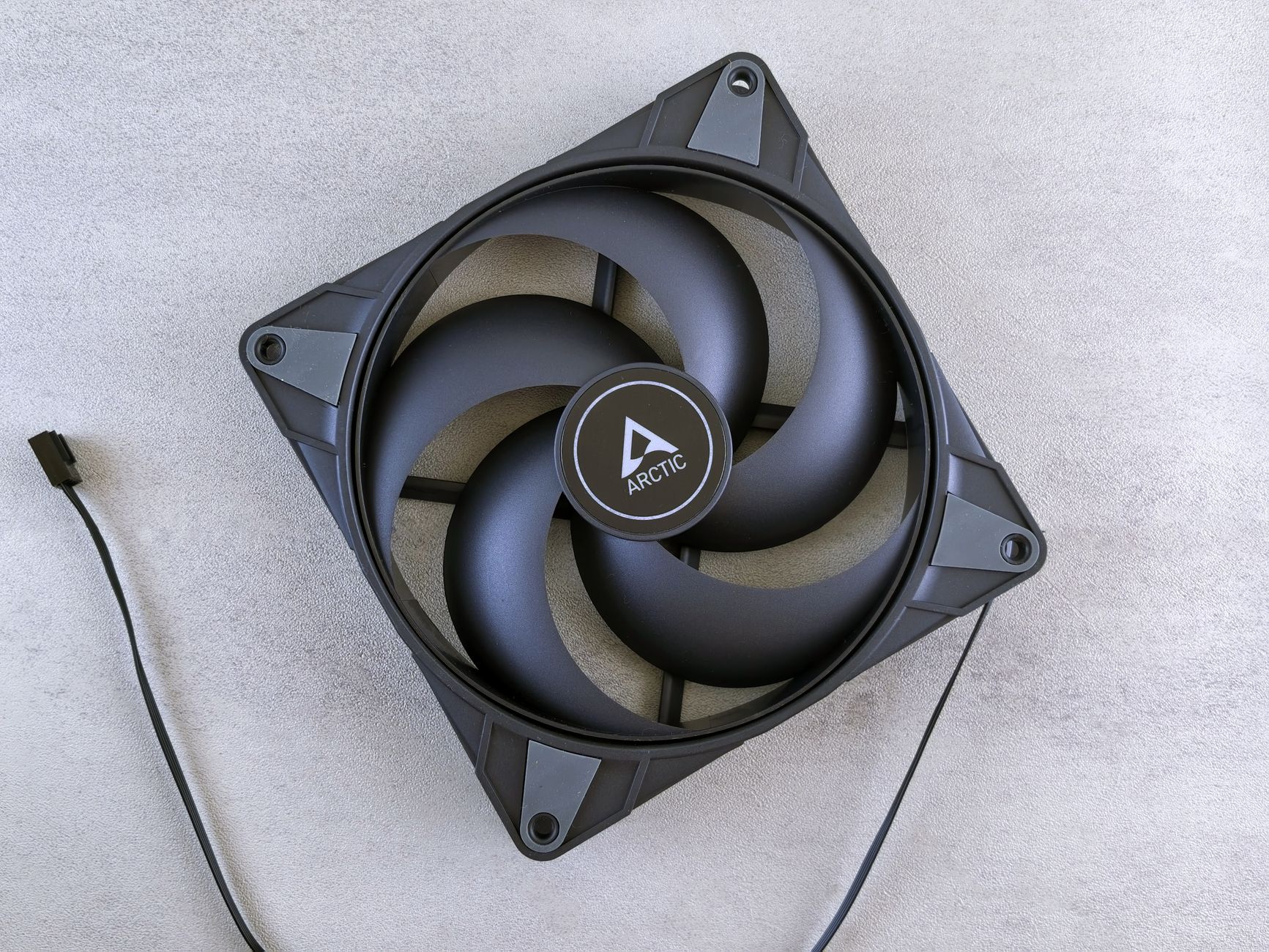
In today's world, the quality of the air we breathe indoors has become a significant concern. Whether it's due to wildfire smoke, seasonal allergies, or general urban pollution, many of us are looking for ways to improve our home environment. While commercial air purifiers offer a convenient solution, they can often be expensive and, as we've seen during certain events, can quickly sell out. But what if you could create an effective air purifier yourself using readily available materials? This guide will walk you through the process of building a DIY air purifier, explaining why it works, what you need, and how to set it up for maximum benefit. We'll also discuss the science behind air filtration and why certain components are so vital for trapping harmful particles.
Our homes are our sanctuaries, places where we should feel safe and relaxed. However, indoor air can sometimes be more polluted than outdoor air. Common indoor pollutants include dust mites, pet dander, mold spores, pollen, volatile organic compounds (VOCs) from cleaning products and furniture, and even fine particulate matter from cooking or burning candles. During events like wildfires, smoke can infiltrate our homes, bringing with it harmful ultrafine particles known as PM2.5. These particles, which are incredibly small – about 30 times thinner than a human hair – can penetrate deep into our lungs and even enter our bloodstream, leading to a range of health issues. These can include respiratory problems like asthma exacerbations, coughing, and shortness of breath, as well as cardiovascular issues. Short-term exposure might also cause throat and eye irritation, headaches, and difficulty concentrating. For individuals with pre-existing conditions like asthma or heart disease, polluted air can significantly worsen their symptoms.
At their core, air purifiers work by filtering the air. They draw in the air from a room, pass it through one or more filters designed to trap various airborne contaminants, and then release the cleaner air back into the space. The effectiveness of an air purifier largely depends on the type of filter it uses and the rate at which it can process the air (measured in CADR - Clean Air Delivery Rate). A key component in many high-quality air purifiers is the High Efficiency Particulate Air (HEPA) filter. True HEPA filters are standardized to capture at least 99.97% of airborne particles that are 0.3 micrometers (μm) in diameter. To put that into perspective, 0.3 μm is incredibly tiny; it's about 1/83,000th of an inch. This means that for every 10,000 particles of this size, only about 3 will manage to pass through a HEPA filter. These filters are highly effective at trapping not just smoke particles but also pollen, dust, mold spores, and bacteria.
The concept behind a DIY air purifier is elegantly simple: combine a powerful fan with a high-quality air filter. The fan provides the necessary airflow to pull contaminated air through the filter, while the filter does the heavy lifting of trapping pollutants. Studies have shown that this combination can be quite effective, especially for reducing exposure to fine particulate matter like that found in wildfire smoke. For a DIY setup to be effective, it needs two main things: adequate airflow and a filter capable of capturing small particles. Filters are often rated using systems like MERV (Minimum Efficiency Reporting Value). A MERV rating of 11 or higher is generally recommended for capturing smaller particles. MERV 13 is considered a good starting point, and higher ratings like MERV 14 or 15 offer even better filtration. Many commercial HEPA filters also meet or exceed these standards. The key is ensuring the filter is robust enough to catch PM2.5 and other microscopic irritants.
Creating your own air purifier is surprisingly straightforward and can be a cost-effective alternative when commercial options are unavailable or too expensive. Here’s what you’ll need and how to assemble it:
To get the most out of your homemade air purifier, consider these tips:
While a DIY air purifier can significantly improve the air quality in a small space, it's not a substitute for addressing the root causes of poor indoor air quality or for professional medical advice. If you or someone in your household experiences persistent respiratory symptoms, allergies, or other health concerns that you suspect are related to air quality, it's essential to consult a doctor. A healthcare professional can help diagnose underlying conditions and provide tailored advice. For widespread or severe indoor air quality issues in larger spaces, or if you require advanced filtration for specific contaminants, investing in a certified commercial air purifier with a high CADR rating appropriate for your room size might be a more suitable long-term solution.
You should replace the filter when it looks visibly dirty or clogged, typically every 1 to 3 months, depending on the air quality in your home and how often you run the fan. Check it monthly to be sure.
Yes, a DIY air purifier using a MERV 13 or higher rated filter, or a HEPA filter, can be effective at filtering out the fine particulate matter (PM2.5) found in wildfire smoke, especially within a small, enclosed room.
Ensure the fan is in good working condition and that all electrical connections are secure. Never leave a DIY air purifier running unattended for extended periods, especially when you are not home. Always unplug the fan before attaching or changing the filter.
MERV (Minimum Efficiency Reporting Value) is a rating system for furnace and HVAC filters. Higher MERV ratings (like 13+) indicate better filtration of smaller particles. HEPA (High Efficiency Particulate Air) is a standard for filters that capture at least 99.97% of particles 0.3 micrometers in size. Many HEPA filters meet or exceed the performance of high MERV-rated filters.
While some advanced DIY designs use multiple filters (like a Corsi-Rosenthal box, which uses four filters in a cube formation with the fan on top), a single filter attached to the back of the fan is the simplest and most common DIY approach. For basic needs, one good filter is sufficient.
Visit Hospital
Near You
Discover cochlear implant benefits, candidacy, and the process in Motihari. Restore hearing and reconnect with the world.
May 19, 2026
Discover cochlear implants in Bhagalpur. Learn about the procedure, benefits, and how it restores hearing for those with severe to profound hearing loss.
May 18, 2026

Explore the science behind cryotherapy for weight loss. Learn about its purported benefits, potential side effects, and what experts say about its effectiveness.
April 1, 2026