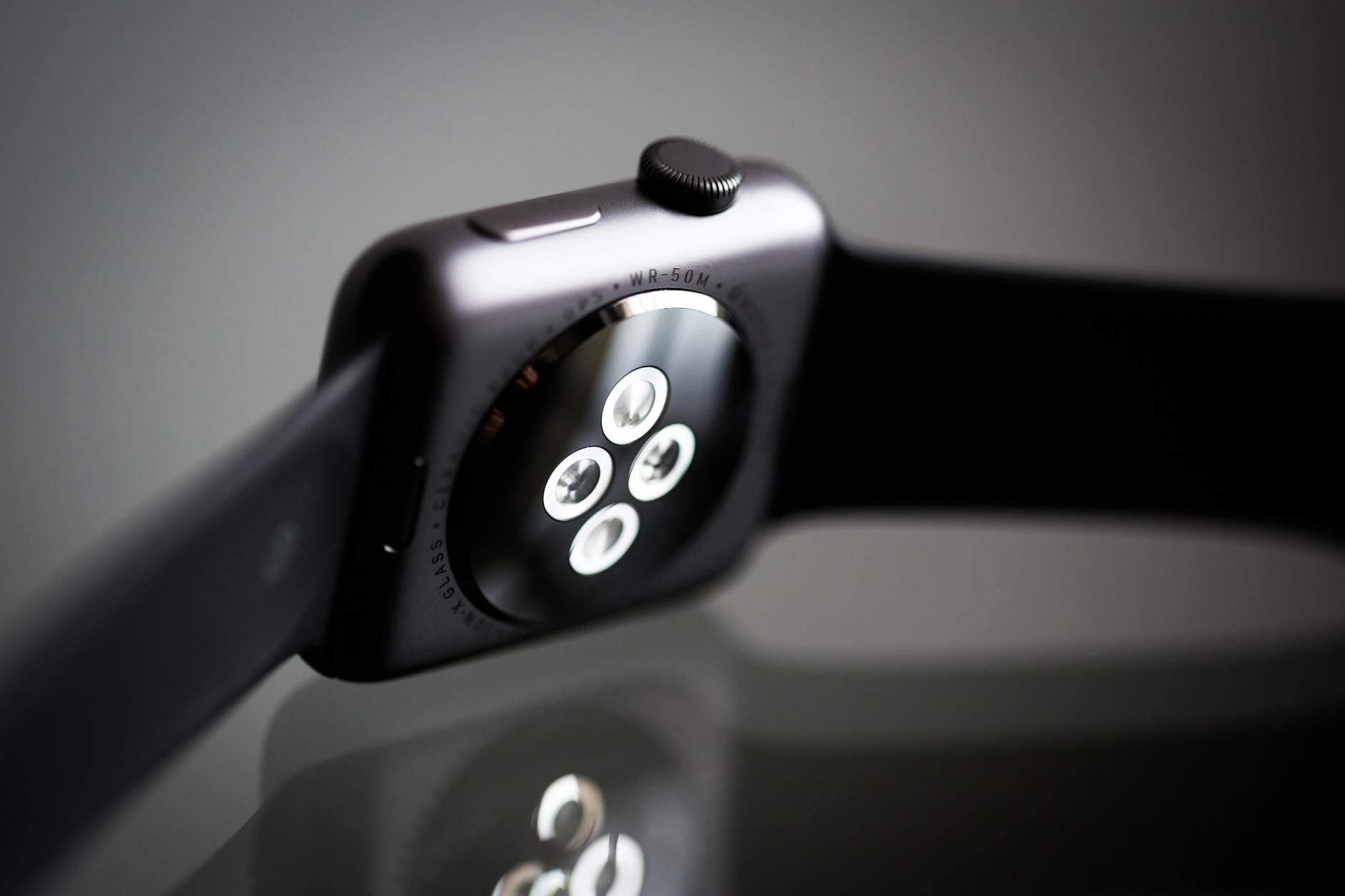
The Fitbit Charge 5: A Deep Dive into Your Health and Fitness Remember the days of those clunky fitness trackers that clipped onto your waistband? I certainly do! My first Fitbit was one of those. Back then, technology felt a bit more… basic. Now, fast forward a decade or so, and we have devices like the Fitbit Charge 5. It’s the company’s most advanced health and fitness tracker yet, aiming to be more than just a step counter. It’s a sophisticated gadget designed to offer deep insights into your well-being. But is it worth your hard-earned money? We put the Fitbit Charge 5 through its paces for over two months to find out. Fitbit has come a long way since launching its first tracker in 2009. They've evolved from simple step monitors to sleek, high-tech wearables. The Charge 5 stands at the pinnacle of this evolution, boasting features that were once the domain of athletes and researchers. Now, this technology is accessible right on your wrist, helping you understand your activity, workouts, sleep patterns, and much more. What Exactly is the Fitbit Charge 5? At its core, the Fitbit Charge 5 is a fitness tracker. But calling it just that feels like an understatement. Worn comfortably on your wrist, it goes far beyond simply counting your steps. It’s packed with sensors designed to give you a comprehensive overview of your health. Think of it as your personal health dashboard, providing key insights into your daily activity, exercise performance, sleep quality, and even your heart rate variability. What sets it apart are the advanced sensors, including an EDA (Electrodermal Activity) sensor for stress monitoring and an ECG (Electrocardiogram) sensor that can help detect potential signs of atrial fibrillation (AFib). Design and Comfort: A Sleeker Profile Compared to its predecessor, the Charge 5 sports a slimmer profile. The case is now made of stainless steel, giving it a more premium feel. It secures to your wrist with an ‘infinity loop’ band, available in small and large sizes. The beauty of this design is its versatility; the band can be easily swapped out with a simple touch. If the standard band isn't your style, Fitbit offers a range of accessory bands – from sporty silicone to elegant leather and comfortable hook-and-loop options. You can truly personalize your Charge 5 to match your look and feel. Getting Started: Setup and App Integration Setting up your Fitbit Charge 5 is straightforward. First things first, you'll need to download the Fitbit app onto your smartphone. While your Charge 5 is charging, follow the on-screen prompts within the app to create your Fitbit user account. If you're already a Fitbit user, you can simply pair your new device. Just tap your profile icon in the app and select ‘Set Up a Device.’ The app guides you through the syncing process, connecting your new tracker to your account seamlessly. Navigating Your Charge 5: What You See Once synced, the home screen on your Charge 5 is your command center. You'll immediately see the date, time, and your Active Zone Minutes – a measure of how much time you spend in different heart rate zones during exercise. Swipe up from the home screen, and you’ll find a treasure trove of daily stats: your step count, distance covered, calories burned, and your most recent heart rate reading. Want to do more? Swipe right or left to access features like a timer, alarm, workout tracking, notifications, and even the ECG monitor and EDA scan. Need to quickly adjust settings? Swipe up again to access Fitbit Pay, toggle Do Not Disturb mode, activate Sleep Mode, or change display settings. Key Features and Health Tracking Capabilities The Fitbit Charge 5 is loaded with features designed to give you a holistic view of your health: GPS Tracking: Built-in GPS accurately tracks your outdoor workouts like running, cycling, and hiking without needing your phone. Heart Rate Monitoring: Continuous heart rate tracking helps you monitor your cardiovascular health, track calorie burn during exercise, and understand your resting heart rate trends. Skin Temperature Tracking: This feature can provide insights into potential changes in your body, which might indicate illness or menstrual cycle phases. EDA Scan App: This is a standout feature. The EDA sensor measures your body's response to stress by detecting tiny electrical changes in your sweat levels. It helps you identify moments of stress and provides guided breathing exercises to help you manage it. ECG App: With the ECG app, you can take an electrocardiogram from your wrist to check for signs of atrial fibrillation (AFib), a serious heart rhythm condition. This requires you to place your finger on the sensor for 30 seconds. Sleep Tracking: The Charge 5 provides detailed sleep scores, breaking down your time spent in light, deep, and REM sleep. This information is invaluable for understanding your sleep quality and making improvements. Readiness Score (with Fitbit Premium): This score, available with a Fitbit Premium subscription, tells you how ready your body is for a workout or if you should focus on recovery. It combines your sleep, activity, and heart rate variability data. Reminders to Move: The tracker gently vibrates to remind you to stand up and move if you've been inactive for too long, helping combat sedentary behaviour. The Role of Fitbit Premium While the Charge 5 is impressive on its own, its full potential is unlocked with a Fitbit Premium subscription. Premium offers deeper analysis of your data, including personalized insights, guided programs for fitness and sleep, and advanced readiness and sleep profiles. For instance, the Readiness Score and detailed sleep analysis are exclusive to Premium members. While the device is functional without it, the subscription significantly enhances the user experience and the value derived from the tracker. Performance: What We Liked and What Could Be Better Over our two-month testing period, we found the Fitbit Charge 5 to be a reliable and insightful health companion. The accuracy of the step counting and heart rate monitoring was consistent. The EDA sensor provided genuinely useful stress insights, prompting mindful moments throughout the day. The sleep tracking was detailed and helped us identify patterns we weren't aware of. However, it wasn't perfect. The always-on display could be a bit temperamental, sometimes requiring a tap to wake. A significant limitation for some users might be the inability to make or respond to texts and phone calls directly from the device. While it offers notifications, it's not a smartwatch replacement in that regard. Also, while the design is sleek, it might not be as visually striking or customizable as some other high-end wearables on the market. Who is the Fitbit Charge 5 For? The Fitbit Charge 5 is ideal for individuals who want a comprehensive yet relatively affordable way to monitor their health and fitness. It’s perfect for: People looking to understand their activity levels, sleep patterns, and stress responses better. Those interested in tracking workouts with built-in GPS. Individuals seeking to monitor key health metrics like heart rate and skin temperature. Users who appreciate the added insights provided by EDA and ECG sensors for stress and potential heart rhythm irregularities. It’s a great step up from basic fitness trackers and offers advanced health features without the hefty price tag of some smartwatches. When Should You Consult a Doctor? While the Fitbit Charge 5 provides valuable health data, it is not a medical device in the traditional sense. Always remember that the data provided is for informational purposes and should not replace professional medical advice. If the ECG app detects potential signs of AFib, or if you experience any concerning symptoms related to your heart, stress, or overall health, it is imperative that you consult a doctor immediately. Do not rely solely on the tracker's readings for diagnosis or treatment decisions. Your doctor is the best person to interpret your symptoms and medical history. Is the Fitbit Charge 5 Worth It? For its price point, the Fitbit Charge 5 offers an impressive suite of health and fitness tracking features. The advanced sensors, slim design, and user-friendly app make it a compelling option. The inclusion of EDA and ECG capabilities is a significant advantage, offering insights previously found only in more expensive devices. While the need for a Premium subscription for the best experience and the lack of smartwatch communication features are drawbacks, they don't overshadow the device's core strengths. If you're looking for a dedicated health and fitness tracker that provides detailed insights and encourages a more mindful approach to wellness, the Charge 5 is a strong contender and definitely worth considering. Frequently Asked Questions (FAQ) Does the Fitbit Charge 5 track blood oxygen (SpO2)? While the Charge 5 doesn't have a dedicated SpO2 sensor for on-demand readings, it can track your blood oxygen levels during sleep as part of its sleep tracking features. This data is available within the Fitbit app. Is the Fitbit Charge 5 waterproof? Yes, the Fitbit Charge 5 has a water resistance rating of up to 50 meters. This
In summary, timely diagnosis, evidence-based treatment, and prevention-focused care improve long-term health outcomes.