

Emergency & Help
24/7 Emergency & General Advisory
🚨 24/7 Medical Emergency
Non-Emergency Advisory
10:00 AM – 6:00 PM, Mon–Sat
For appointments & general queries.
24/7 Emergency & General Advisory
🚨 24/7 Medical Emergency
Non-Emergency Advisory
10:00 AM – 6:00 PM, Mon–Sat
For appointments & general queries.
Discover how smartwatches are revolutionizing diabetes management by providing real-time glucose monitoring and alerts right on your wrist. Learn about CGM integration, popular devices, and the benefits of this cutting-edge technology.
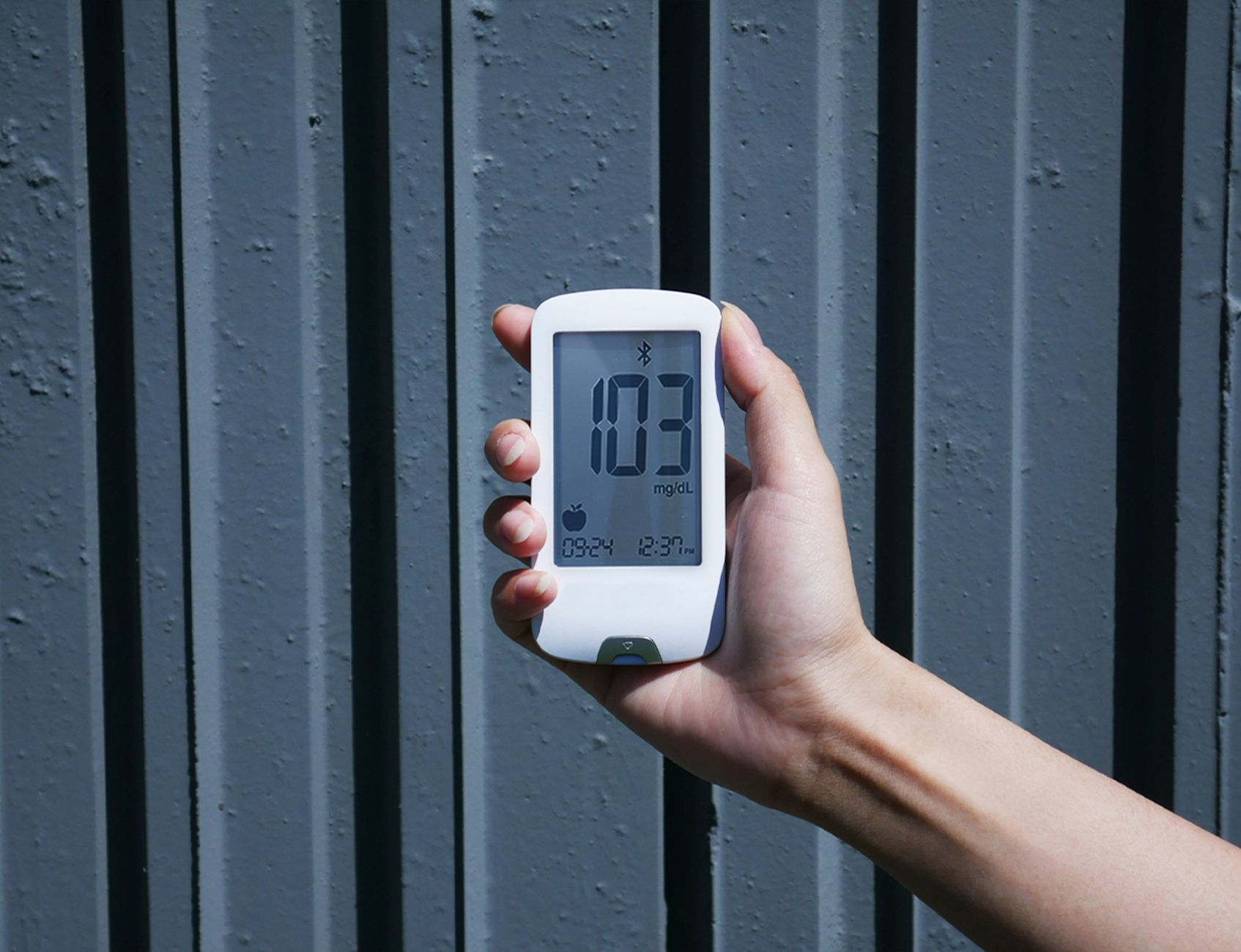
Living with diabetes means keeping a close eye on your health, and for many, this involves frequent blood glucose checks. But what if you could get this vital information with just a quick glance at your wrist? The world of technology has brought us smartwatches, and for people managing diabetes, these devices are becoming a powerful ally. Gone are the days when checking your blood sugar meant a separate device and a moment of interruption. Today, your smartwatch can display your glucose levels and trends, offering a seamless way to stay informed.
It's important to understand that your smartwatch doesn't directly measure your blood sugar. Instead, it acts as a sophisticated display unit. It receives data from a Continuous Glucose Monitor (CGM) or an insulin pump, which are the devices that actually track your glucose levels. Your smartwatch then brilliantly presents this information to you, often with visual cues like trend arrows and graphs.
CGMs are small, wearable sensors that are typically placed on your skin. They continuously measure the glucose in your interstitial fluid (the fluid surrounding your cells) and send this data wirelessly. This data is then transmitted to a receiver, which can be a dedicated device, your smartphone, or, as we're focusing on, your smartwatch.
One of the most significant advancements has been the development of 'direct-to-watch' connectivity. Previously, you needed your smartphone to act as an intermediary, relaying the data from the CGM to your watch. However, newer systems, like the Dexcom G7, can now send data directly to compatible smartwatches. This means you can get real-time glucose readings and alerts right on your wrist, even if your phone isn't nearby. This innovation has made managing diabetes more convenient and less intrusive.
Several smartwatches and CGM systems work together to provide this convenient monitoring. Here’s a look at some of them:
Dexcom has been a pioneer in this space. Their CGM systems, like the G7, offer compatibility with both Apple Watches and Android smartwatches. The Dexcom mobile app, when paired with your watch, can display your current glucose number, trend arrows showing whether your glucose is rising or falling, and historical graphs. You can even customize watch faces to change color based on your glucose status – red for high, green for normal, and yellow for low – drawing immediate attention to your reading.
Scenario: Imagine you're at a family function, and you feel a slight sweatiness you associate with low blood sugar. Instead of fumbling for your phone or a test meter, you discreetly glance at your wrist. Your smartwatch face is glowing yellow, confirming your suspicion and prompting you to discreetly find a juice or a snack. This quick check helps you manage the situation efficiently and without drawing much attention.
Garmin watches also integrate with diabetes management technology. Through their 'Connect IQ' platform, users can display real-time glucose levels, trend arrows, and a 3-hour history graph directly on their watch face. This is particularly useful for active individuals who want to monitor their glucose alongside other performance metrics during exercise.
While clinical research specifically focusing on the benefits of smartwatches for diabetes management is still evolving, studies suggest that technology integration like this can positively impact daily self-care. The ability to easily access and review data can empower individuals to make more informed decisions about their diet, exercise, and medication.
The setup process can vary depending on your smartwatch brand, your CGM system, and the software versions involved. Generally, it involves:
It's always best to consult the user manuals for both your CGM and your smartwatch, or speak with your healthcare provider, for specific instructions.
The smartwatch is a display tool, not a diagnostic device. It relies on the accuracy of the CGM or insulin pump it's connected to. Always follow your healthcare provider's advice for managing your diabetes. If your smartwatch alerts you to a critical glucose level, confirm it with a fingerstick test if recommended by your doctor, and take appropriate action.
Battery life can be a factor, especially if you use many features. Keep an eye on your watch's battery and charge it as needed.
Connectivity issues can occasionally occur. Ensure Bluetooth is on and that your devices are within range of each other.
While smartwatches offer incredible convenience, they don't replace the need for professional medical advice. You should always consult your doctor if you experience:
Your doctor is your primary guide in managing diabetes, and technology like smartwatches is a tool to support that management.
The integration of diabetes management technology with smartwatches is a rapidly evolving field. We can expect even more sophisticated features, improved accuracy, and broader compatibility in the future. This continuous innovation promises to make living with diabetes more manageable and integrated into our daily lives than ever before.
A1: No, smartwatches do not measure blood sugar directly. They receive data from a Continuous Glucose Monitor (CGM) or an insulin pump and display it for you.
A2: Not always. Some newer CGM systems offer direct-to-watch connectivity, meaning they can send data to your smartwatch without needing a smartphone in between.
A3: No, compatibility is key. You need to ensure that your specific CGM system is compatible with your chosen smartwatch model. Check the manufacturer's websites for compatibility lists.
A4: The accuracy depends on the accuracy of the CGM or insulin pump it's connected to. Always follow your doctor's advice regarding confirming readings, especially if they are concerning.
A5: The main risks involve over-reliance on the technology and potential for misinterpretation. It's essential to remember that the watch is a tool and not a replacement for medical advice or professional care. Also, ensure your devices are charged and connected properly.
Visit Hospital
Near You
Discover cochlear implant benefits, candidacy, and the process in Motihari. Restore hearing and reconnect with the world.
May 19, 2026
Discover cochlear implants in Bhagalpur. Learn about the procedure, benefits, and how it restores hearing for those with severe to profound hearing loss.
May 18, 2026

Explore the science behind cryotherapy for weight loss. Learn about its purported benefits, potential side effects, and what experts say about its effectiveness.
April 1, 2026