

Emergency & Help
24/7 Emergency & General Advisory
🚨 24/7 Medical Emergency
Non-Emergency Advisory
10:00 AM – 6:00 PM, Mon–Sat
For appointments & general queries.
24/7 Emergency & General Advisory
🚨 24/7 Medical Emergency
Non-Emergency Advisory
10:00 AM – 6:00 PM, Mon–Sat
For appointments & general queries.
A comprehensive guide for Indian consumers on understanding and choosing at-home health tests, covering vetting processes, ease of use, results, cost, and potential risks.
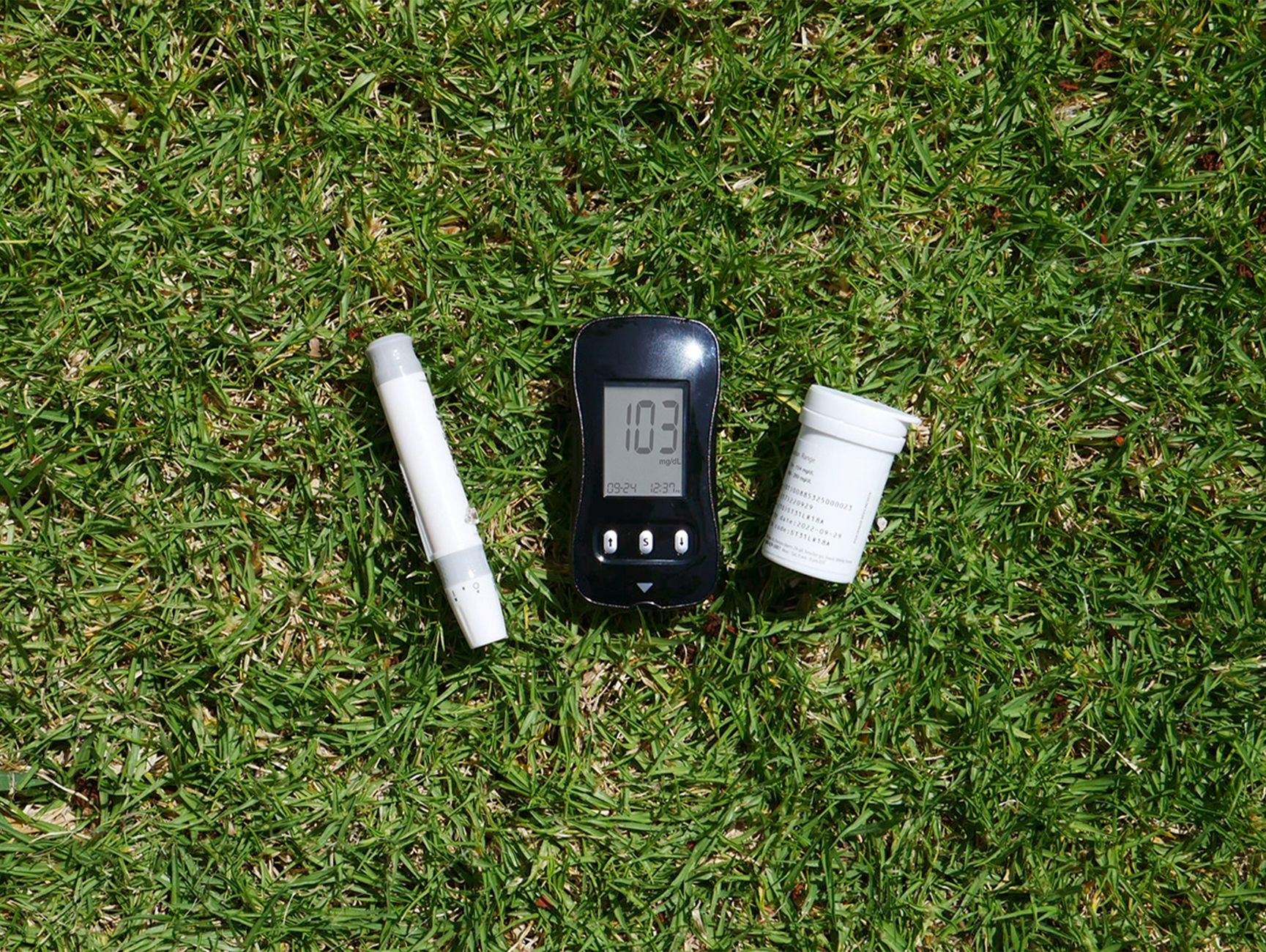
In today's fast-paced world, convenience and accessibility are paramount. At-home health tests have emerged as a significant trend, offering individuals a way to monitor their health from the comfort of their homes. These tests, ranging from simple pregnancy kits to more complex genetic screenings, provide valuable insights into various aspects of our well-being. However, with a plethora of options available, it's crucial to understand how these tests are evaluated and what factors to consider before making a purchase. This guide aims to demystify the process, offering a clear and practical approach for Indian consumers to make informed decisions about at-home health tests.
The market for at-home health tests is rapidly expanding, with prices varying significantly, from under ₹1,500 to over ₹50,000. Some companies even offer subscription models, providing credits for future purchases. Given this diverse landscape, it's essential to rely on trustworthy sources that have rigorously evaluated these products. At Healthline, we understand the importance of this vetting process. We meticulously assess each product and brand to ensure that our recommendations are reliable and beneficial to consumers. This article outlines our stringent evaluation process and the key metrics we use to help you decide if an at-home test is right for you.
Every product, service, or brand we recommend undergoes a thorough consideration process. Our stringent vetting ensures that you only encounter recommendations we genuinely stand behind. For at-home health tests, this process involves evaluating several critical aspects:
We assess how straightforward it is to use the test. This includes considering whether you can collect your sample (like blood, saliva, or urine) at home or if you need to visit a lab. We also check if the test requires a single sample or multiple samples, as this can impact the user experience.
A crucial part of any at-home test is understanding the results. We evaluate the type of guidance provided with the test results. Clear, actionable information is vital for users to interpret their findings correctly and know what steps to take next.
The time it takes to receive your results can vary from minutes to weeks. We categorize tests based on their turnaround time. Some tests offer immediate results (rapid tests), while others require a laboratory to analyze the sample, leading to a longer waiting period, typically measured in business days.
The cost of at-home tests can be a significant factor. We consider the overall price, including any potential additional costs like shipping. Free shipping can make a test kit feel more affordable and accessible.
While direct-to-consumer at-home tests are not always reviewed by regulatory bodies like the Food and Drug Administration (FDA) in the same way as medical devices, many companies ensure their laboratories are compliant. We look for certifications such as CLIA (Clinical Laboratory Improvement Amendments) certification, which is mandatory for labs handling human specimens, and CAP (College of American Pathologists) accreditation, which signifies a high standard of laboratory practice.
Despite their convenience, at-home health tests come with potential risks that consumers should be aware of:
It is essential to remember that at-home health tests are tools for information and monitoring, not for definitive diagnosis. Always consult with a qualified healthcare professional to interpret your results in the context of your overall health, medical history, and symptoms. A doctor can provide accurate diagnosis, recommend appropriate treatment, and guide you on the next steps. Do not make significant health decisions based solely on at-home test results without professional medical consultation.
By understanding the vetting process and considering the factors outlined above, Indian consumers can make more informed decisions when choosing at-home health tests. Prioritize tests from reputable brands that offer clear instructions, reliable results, and comprehensive support. Remember, your health is a priority, and making informed choices empowers you to take better control of your well-being.
Visit Hospital
Near You
Discover cochlear implant benefits, candidacy, and the process in Motihari. Restore hearing and reconnect with the world.
May 19, 2026
Discover cochlear implants in Bhagalpur. Learn about the procedure, benefits, and how it restores hearing for those with severe to profound hearing loss.
May 18, 2026

Explore the science behind cryotherapy for weight loss. Learn about its purported benefits, potential side effects, and what experts say about its effectiveness.
April 1, 2026