

Emergency & Help
24/7 Emergency & General Advisory
🚨 24/7 Medical Emergency
Non-Emergency Advisory
10:00 AM – 6:00 PM, Mon–Sat
For appointments & general queries.
24/7 Emergency & General Advisory
🚨 24/7 Medical Emergency
Non-Emergency Advisory
10:00 AM – 6:00 PM, Mon–Sat
For appointments & general queries.
Learn about MRI scans: what they are, how they work, preparation, and what they can detect. A guide to this non-invasive imaging technique.
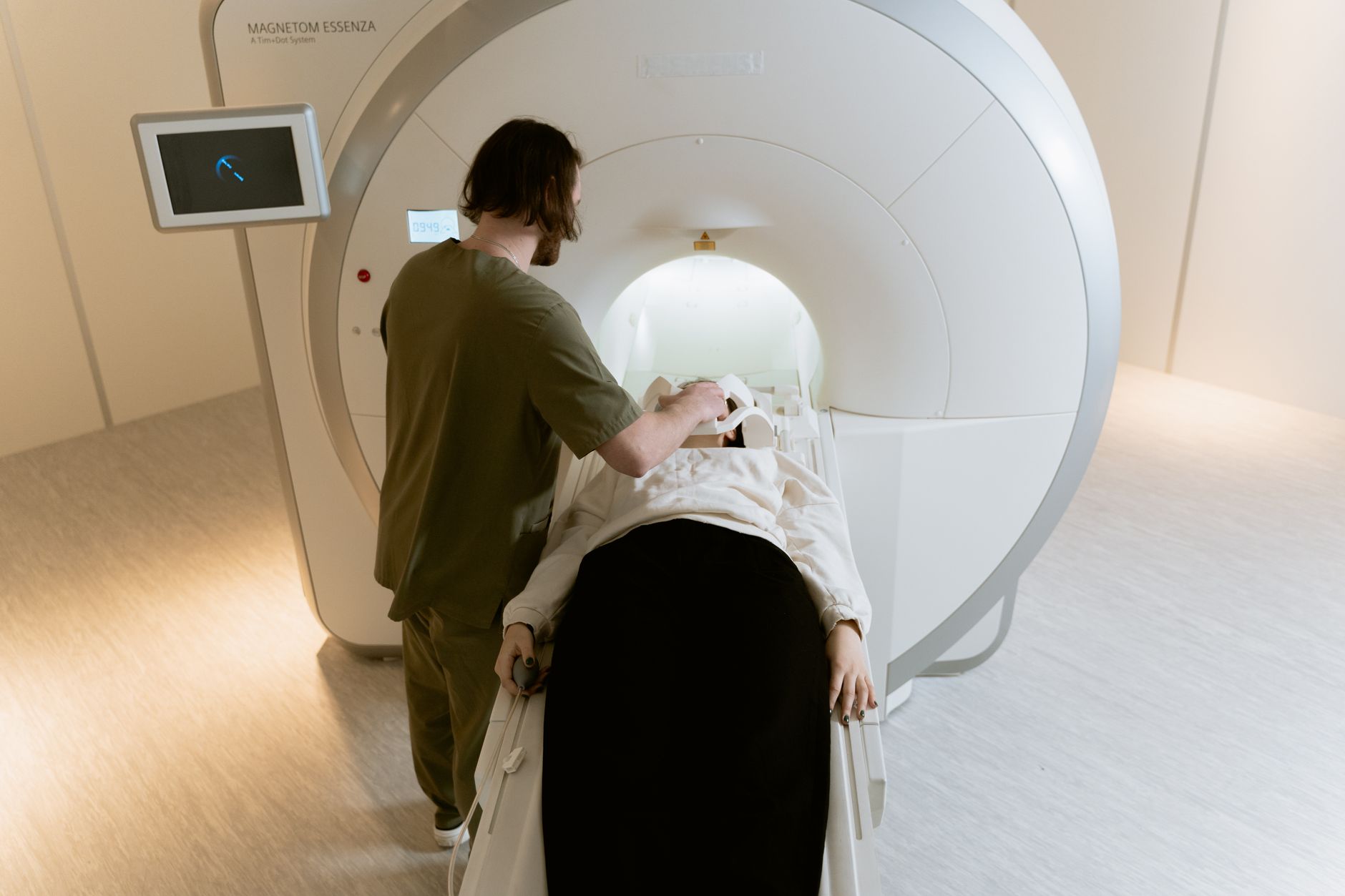
Magnetic Resonance Imaging, commonly known as MRI, is a sophisticated medical imaging technique that uses a powerful combination of magnets, radio waves, and a computer to create detailed, cross-sectional images of the soft tissues within your body. Unlike X-rays or CT scans, MRI does not involve any radiation, making it a safe and preferred choice for many diagnostic purposes, especially for individuals who may require repeated imaging for chronic conditions. The technology allows doctors to visualize internal structures like organs, muscles, ligaments, tendons, and the brain with remarkable clarity.
The MRI machine is essentially a large, tube-shaped device containing powerful magnets. When you lie on the scanning table and are moved into the machine, these magnets generate a strong magnetic field. This field works by aligning the protons, which are abundant in the water molecules present in your body's tissues. Once aligned, the machine emits radio waves that temporarily knock these protons out of alignment. When the radio waves are turned off, the protons realign themselves, releasing signals that are detected by the MRI scanner. A computer then processes these signals to construct detailed 2D and 3D images, often referred to as 'slices' or 'cross-sections,' allowing for a layered view of the internal anatomy.
There are two main types of MRI machines:
In some instances, your doctor might recommend an MRI with contrast. Before the scan, a contrast agent, often containing a metal called gadolinium, is administered intravenously. This agent enhances the visibility of certain tissues and blood vessels, making abnormalities like tumors or inflammation more apparent. The contrast agent helps to speed up proton activity, resulting in brighter and clearer images.
MRI is particularly effective at visualizing soft tissues and is used to diagnose a wide range of conditions, including:
It's important to note that MRI is generally not used to diagnose conditions like broken bones, as bones have low water content and do not produce clear images with this technology.
Preparation for an MRI is usually straightforward:
Once you are ready, you will lie on the scanning table, which will then be moved into the MRI machine. You'll need to remain as still as possible throughout the scan to ensure clear images. The technologist will communicate with you via an intercom and can see you through a window. You may hear loud beeping and clicking noises from the machine; earplugs or headphones will be provided for comfort. The scan typically lasts between 20 to 90 minutes, depending on the area being examined.
In most cases, you can resume your normal activities immediately after the MRI. If a contrast agent was used, you might be asked to drink extra fluids to help flush it out of your system. Your doctor will discuss the results with you once the radiologist has interpreted the images.
If you experience any unusual symptoms or have concerns about your health, it's always best to consult with your doctor. They can determine if an MRI scan is necessary for diagnosis and provide guidance on the procedure and its implications.
Visit Hospital
Near You
Discover cochlear implant benefits, candidacy, and the process in Motihari. Restore hearing and reconnect with the world.
May 19, 2026
Discover cochlear implants in Bhagalpur. Learn about the procedure, benefits, and how it restores hearing for those with severe to profound hearing loss.
May 18, 2026

Explore the science behind cryotherapy for weight loss. Learn about its purported benefits, potential side effects, and what experts say about its effectiveness.
April 1, 2026