

Emergency & Help
24/7 Emergency & General Advisory
🚨 24/7 Medical Emergency
Non-Emergency Advisory
10:00 AM – 6:00 PM, Mon–Sat
For appointments & general queries.
24/7 Emergency & General Advisory
🚨 24/7 Medical Emergency
Non-Emergency Advisory
10:00 AM – 6:00 PM, Mon–Sat
For appointments & general queries.
Explore how Virtual Surgical Planning (VSP) uses 3D imaging and simulation to revolutionize complex surgeries, enhancing precision and patient outcomes.
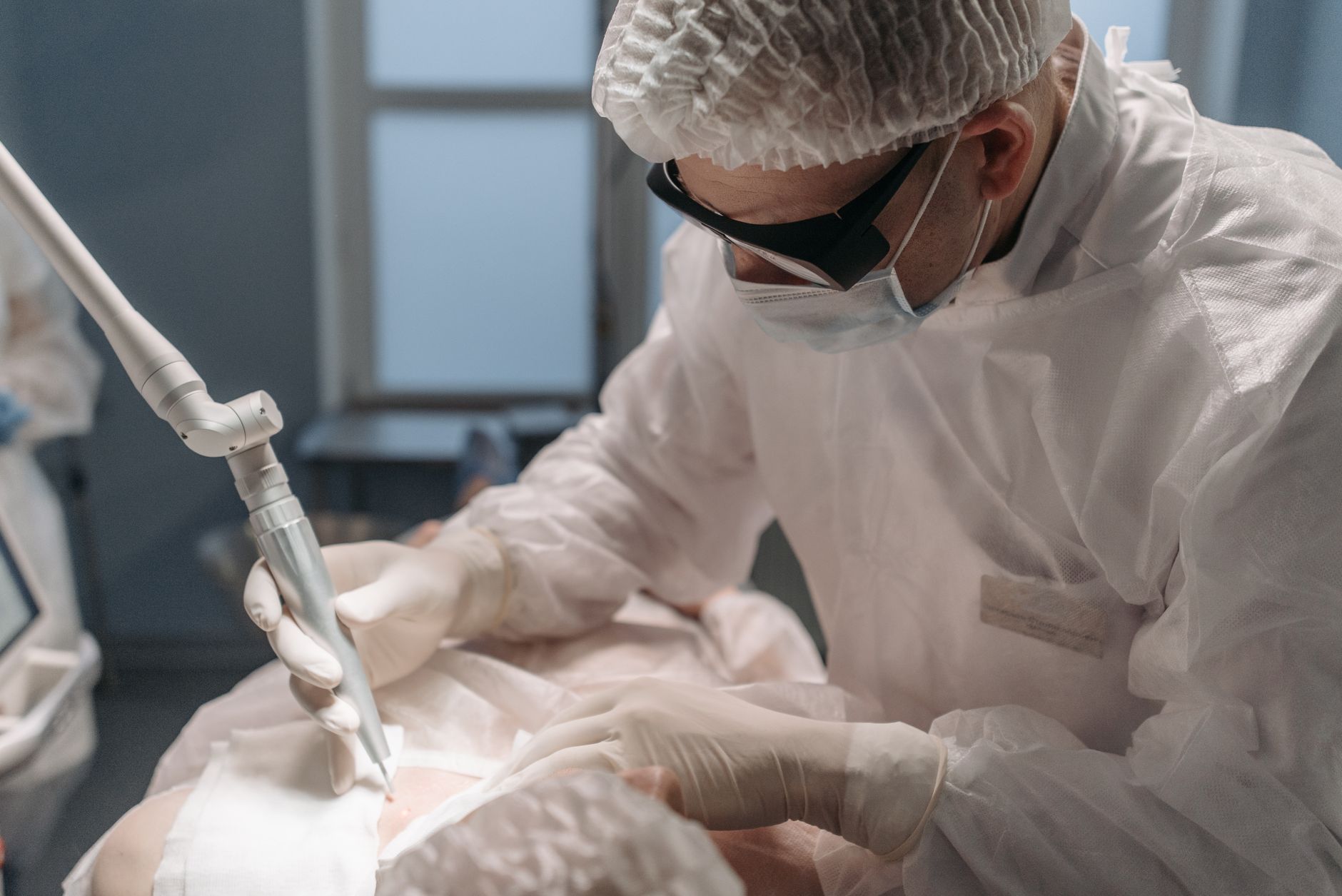
Understanding Virtual Surgical Planning (VSP) In the realm of modern medicine, technological advancements are continuously reshaping how complex medical procedures are approached. One such groundbreaking innovation is Virtual Surgical Planning (VSP). VSP is an advanced technology that empowers surgeons to meticulously determine treatment plans and map out intricate surgical procedures before they even enter the operating room. By leveraging sophisticated imaging techniques and 3D modeling, VSP offers a powerful tool to enhance surgical precision, improve patient outcomes, and potentially reduce complications. What is Virtual Surgical Planning? Virtual Surgical Planning is essentially a digital blueprint for surgery. It involves using advanced imaging technologies, primarily Computed Tomography (CT) scans and Magnetic Resonance Imaging (MRI), to create highly detailed 3D models of a patient's anatomy. These models allow surgeons to visualize the surgical site in unprecedented detail, identify potential challenges, and plan the most effective approach. The process typically involves several key steps: Data Acquisition: The process begins with acquiring detailed visual data of the patient's anatomy. This is primarily done through high-resolution CT scans, and sometimes MRI scans, which capture cross-sectional images of the body. Image Segmentation: Once the raw imaging data is obtained, specialized software is used to segment and isolate specific anatomical structures. This means separating bones, muscles, nerves, and blood vessels from the surrounding tissues, creating distinct digital components. 3D Model Creation: The segmented components are then integrated to construct a comprehensive 3D model of the surgical area. This model can incorporate not only the skeletal structure but also soft tissues, providing a realistic representation of the patient's unique anatomy. Surgical Simulation and Planning: With the 3D model in hand, surgeons can simulate the planned procedure virtually. They can test different surgical approaches, assess the impact of various maneuvers, and determine the optimal placement of implants or surgical instruments. This phase allows for extensive planning and refinement of the surgical strategy. Model Manufacturing (Optional): In some cases, the 3D VSP model can be physically manufactured or 3D printed. This physical model can serve as a tangible guide for the surgical team during the operation or can be shared with the patient to provide a clearer understanding of the planned procedure and its expected outcome. The Purpose and Benefits of VSP The primary goal of Virtual Surgical Planning is to enhance the safety and effectiveness of complex surgical procedures. By providing surgeons with a detailed virtual roadmap, VSP aims to: Improve Predictability: VSP allows surgeons to anticipate and plan for potential challenges, leading to more predictable surgical outcomes. A 2023 review of VSP in cranio-maxillofacial (CMF) surgeries highlighted that patients experienced better outcomes due to increased predictability. Reduce Surgical Time: By meticulously planning the procedure beforehand, surgeons can often perform the actual surgery more efficiently, potentially reducing the time spent in the operating room. Minimize Complications: A well-planned surgery is less likely to encounter unexpected issues, thereby reducing the risk of complications and adverse events. Enhance Precision: The detailed 3D models enable surgeons to operate with greater precision, especially in intricate areas where anatomical variations can be significant. Facilitate Patient Understanding: Sharing the 3D model with patients can significantly improve their comprehension of the surgical plan, the expected changes, and the potential aesthetic outcomes, fostering better communication and trust. Personalized Treatment: VSP allows surgeons to tailor the surgical approach to an individual's unique anatomy, ensuring a personalized treatment plan. Types of Surgeries Benefiting from VSP While VSP is a developing technology with potential applications across various surgical fields, it has shown particular promise in specific areas: Craniomaxillofacial (CMF) Surgery: VSP is increasingly used in surgeries involving the face, skull, and jaws. This includes reconstructive procedures following trauma or cancer removal, such as mandibular (lower jaw) reconstruction, where tumors can be challenging to locate and remove precisely. Orthopedic Surgery: Surgeons are utilizing VSP for complex procedures involving bones and joints. This includes surgeries on the shoulder, spine, and hip, where precise alignment and placement of implants are critical for successful outcomes. 3D modeling, a component of VSP, aids orthopedic surgeons in achieving greater precision in these intricate operations. Oncologic Surgery: For certain cancer surgeries, particularly those involving bone tumors, VSP can be highly beneficial in precisely locating and removing cancerous tissue while preserving healthy structures. Limitations and Considerations Despite its significant advantages, Virtual Surgical Planning is not without its limitations: Cost: The technology and the time invested in VSP can make it a relatively expensive tool. The cost can vary significantly, with some analyses indicating it could range from under $1,000 to upwards of $8,000 for specific procedures. Not Universally Applicable: VSP is not suitable for all surgical procedures. Its effectiveness is most pronounced in complex cases where detailed anatomical visualization and planning are paramount. Requires Expertise: A 2021 clinical review suggested that VSP might be most effective in the hands of experienced surgeons, as the process itself doesn't inherently provide feedback for improving planning skills. The surgeon's experience remains a crucial factor. Time-Consuming: The detailed planning process can be time-consuming, although this is often offset by reduced actual surgical time and potentially shorter hospital stays. When to Consult a Doctor If you are facing a complex surgical procedure, especially involving the face, jaw, bones, or joints, it is advisable to discuss the potential benefits of Virtual Surgical Planning with your surgeon. Inquire whether VSP is a suitable option for your specific condition and how it might contribute to a safer
In summary, timely diagnosis, evidence-based treatment, and prevention-focused care improve long-term health outcomes.
Visit Hospital
Near You

Explore Transoral Robotic Surgery (TORS), a minimally invasive technique for head and neck conditions like cancer and sleep apnea. Learn about its procedure, benefits, recovery, and suitability.
March 25, 2026
Explore Transoral Robotic Surgery (TORS), a minimally invasive technique for head and neck conditions like cancer and sleep apnea. Learn about its procedure, benefits, recovery, and suitability.
March 25, 2026