

Emergency & Help
24/7 Emergency & General Advisory
🚨 24/7 Medical Emergency
Non-Emergency Advisory
10:00 AM – 6:00 PM, Mon–Sat
For appointments & general queries.
24/7 Emergency & General Advisory
🚨 24/7 Medical Emergency
Non-Emergency Advisory
10:00 AM – 6:00 PM, Mon–Sat
For appointments & general queries.
Discover why brisk walking is a powerful and accessible cardio workout. Learn its benefits, how to maximize intensity, and how it compares to running for heart health and weight management.

When you think of a great cardiovascular workout, images of pounding the pavement on a long-distance run or powering through an intense spin class might come to mind. But what if we told you that one of the most effective ways to boost your heart health and overall fitness is as simple as putting one foot in front of the other? Brisk walking, often underestimated, is a fantastic cardio exercise that offers a wealth of benefits for your heart, lungs, muscles, and even your mood. It’s accessible, requires minimal equipment, and can be integrated into almost any lifestyle. Let’s explore why making walking a core part of your fitness routine is a smart move for your health. What Exactly Is Cardio Exercise? The term 'cardio' is short for cardiovascular, directly relating to your heart and blood vessels. It's also often used interchangeably with 'aerobic' exercise, which essentially means 'with air.' The primary goal of cardio is to get your heart pumping stronger and faster. This increased activity helps to efficiently circulate oxygen-rich blood throughout your entire body, nourishing your muscles, organs, and tissues. Think of it as a tune-up for your body's engine, ensuring all parts receive the fuel they need to function optimally. Is Walking Truly Cardio? Absolutely! While you might associate intense activities like running with cardio, the truth is that any physical activity that significantly engages your heart, lungs, and large muscle groups can be classified as aerobic or cardio exercise. A brisk walk does precisely that. It elevates your heart rate and breathing, making your cardiovascular system work harder. To reap the most significant benefits, however, the key lies in the pace and intensity. You need to walk at a speed that challenges your system, moving beyond a leisurely stroll to a pace that gets your heart pumping and your lungs working. The Powerful Benefits of Brisk Walking Walking isn't just about getting from point A to point B; it's a potent tool for improving your health. Beyond strengthening your heart and lungs, a regular brisk walking routine can: Reduce the risk of chronic diseases: Studies show that walking can significantly lower your chances of developing conditions like heart disease, stroke, and type 2 diabetes. It's a proactive step towards a healthier future. Aid in weight management: Consistent walking burns calories, which can be a cornerstone of a successful weight loss or weight maintenance plan. Strengthen your muscles and bones: While it might seem gentle, walking engages your leg muscles, glutes, and core. It also contributes to bone density, helping to prevent osteoporosis. Improve your mood and mental well-being: Physical activity, including walking, releases endorphins – natural mood boosters. It can help reduce stress, anxiety, and symptoms of depression. Boost your energy levels: It might sound counterintuitive, but expending energy through exercise actually increases your overall energy levels, combating fatigue. Enhance joint health: Unlike high-impact activities, walking is gentle on your joints. It helps lubricate them and strengthens the surrounding muscles, which can alleviate pain for those with conditions like arthritis. Walking vs. Running: A Comparative Look Many people wonder how walking stacks up against running. Both activities offer remarkable cardiovascular benefits. Research published in journals like the American Heart Association has indicated that walking and running can lead to similar reductions in risk factors for high blood pressure, high cholesterol, and type 2 diabetes. However, walking often emerges as a preferred option for individuals who are not training for competitive events or who have specific physical considerations. Why walking might be better for some: Lower impact on joints: A 2016 study highlighted that the impact force during running is considerably higher than during walking, even at a vigorous pace. This reduced stress makes walking a safer choice for those with joint pain, injuries, or back issues, significantly lowering the risk of joint-related injuries. Accessibility and sustainability: If your primary goal is to improve cardiovascular health and manage your weight without the jarring impact of running, walking is an excellent, sustainable choice. How to Ensure Your Walk is a Cardio Workout To truly benefit from walking as a cardio exercise, you need to increase the intensity. This means walking at a pace that challenges your heart and lungs. Here’s how to gauge your intensity: The Perceived Exertion Scale: Imagine a scale from 6 to 20, where 6 means no exertion at all (like sitting quietly) and 20 means you're working extremely hard, like sprinting at the end of a race. Moderate Intensity: Aim for a score of 13 to 14 on this scale. At this level, your heart rate and breathing will noticeably increase, but you should still be able to hold a conversation without gasping for air. Vigorous Intensity: For a more intense workout, aim for 15 to 16. You'll be breathing harder and faster, and talking will be more challenging. Recommended Walking Paces: Beginners: Start with a brisk pace of 3 to 3.5 miles per hour (mph). Moderately Active Individuals: Aim for 3.5 to 4.5 mph. Advanced Walkers/Racewalkers: Push it above 5 mph for a significant challenge. How Much Walking Do You Need? The Centers for Disease Control and Prevention (CDC) recommends at least 150 minutes of moderate-intensity aerobic activity or 75 minutes of vigorous-intensity aerobic activity per week for optimal health and to reduce disease risk. Putting it into practice: The 30-Minute Plan: Aim for five brisk 30-minute walks each week. Breaking it Down: If 30 minutes feels too long, you can split it into shorter, manageable sessions. For example, you could do three 10-minute walks throughout the day. Research suggests that even short bouts of exercise can accumulate to provide significant health benefits, though aiming for at least 10 minutes per session is ideal to get the most out of the cardiovascular challenge. A Real-Life Scenario: Consider Priya, a 45-year-old homemaker who experiences knee pain after her daily chores. She used to enjoy jogging but had to stop due to the discomfort. Her doctor suggested brisk walking as a lower-impact alternative. Priya started with three 15-minute walks around her neighbourhood park, focusing on maintaining a pace where she could talk but felt her heart rate increase. Within a few weeks, she noticed her knee pain lessened, and she felt more energetic throughout the day. Boosting Your Walking Workout Want to get even more from your walks? Try these tips: Incorporate hills: Walking up inclines increases intensity and works different muscles. Add intervals: Alternate between brisk walking and a slightly slower pace for short bursts. Increase your stride: Focus on a longer, more powerful stride. Use walking poles: These can engage your upper body and provide additional support. Carry light weights: Small hand weights can add resistance, but be mindful of your form to avoid injury. Preparing for Your Walk Warm-up: Before you start your brisk walk, it’s beneficial to warm up your muscles. A simple dynamic warm-up can prepare your body for exercise and reduce the risk of injury. Try this: Stand on one leg and gently swing the other leg forward and backward 10 to 20 times. Switch legs and repeat. Perform leg swings across your body. Do some arm circles. Cool-down: After your walk, take a few minutes to cool down by walking at a slower pace. This helps your heart rate gradually return to normal. Gentle stretching afterwards can also improve flexibility. Essential Gear: The beauty of walking is its simplicity. All you truly need is a comfortable, supportive pair of shoes that fit well. Ensure they provide adequate cushioning and support for your feet and ankles. While you can walk indoors on a treadmill or outdoors, comfortable athletic wear is recommended for ease of movement. When to Consult a Doctor While walking is generally safe for most people, it's always wise to consult your doctor before starting any new exercise program, especially if you have pre-existing health conditions such as heart problems, diabetes, or joint issues. Seek medical advice if you experience any of the following during or after your walk: Chest pain or pressure Shortness of breath that doesn't improve with rest Dizziness or lightheadedness Severe joint pain Irregular heartbeat Frequently Asked Questions (FAQs) Can I walk every day? Yes, walking every day can be beneficial, provided you listen to your body. If you're walking at a moderate to vigorous intensity, incorporating rest days or alternating with lighter walks can help prevent overexertion and injury. Consistency is key, but so is recovery. How fast should I walk for it to count as cardio? For your walk to be considered cardio, you should aim for a pace where your heart rate and breathing increase noticeably, but you can still hold a conversation. This typically falls between 3 to 4.5 mph, corresponding to a perceived exertion level of 13-16 on the 6-20 scale. Does walking help with weight loss? Absolutely. Walking burns calories, and when combined with a healthy diet, it can be a very effective tool for weight loss and management. The number of calories burned depends on
In summary, timely diagnosis, evidence-based treatment, and prevention-focused care improve long-term health outcomes.
Visit Hospital
Near You

Explore safe and effective skin glow treatment in Kolkata. Learn about popular procedures, benefits, costs, and skincare tips from experts.
May 20, 2026

The superfood label is a marketing construct — but that doesn't mean all the foods wearing it are frauds. Some genuinely deserve the designation based on density of nutrients and breadth of evidence; others are expensive substitutes for far cheaper alternatives. Here's the honest breakdown.
April 14, 2026
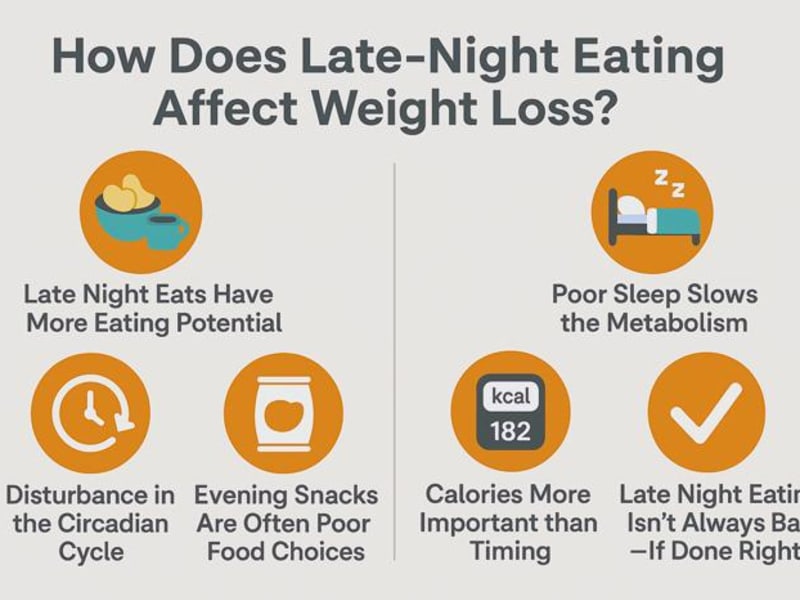
The belief that eating after 8pm automatically causes weight gain is pervasive — but the reality is more nuanced. Circadian biology, food choices, and total caloric intake all interact in ways that make the question far more interesting than a simple yes or no.
April 14, 2026