

Emergency & Help
24/7 Emergency & General Advisory
🚨 24/7 Medical Emergency
Non-Emergency Advisory
10:00 AM – 6:00 PM, Mon–Sat
For appointments & general queries.
24/7 Emergency & General Advisory
🚨 24/7 Medical Emergency
Non-Emergency Advisory
10:00 AM – 6:00 PM, Mon–Sat
For appointments & general queries.
Discover how massage can support your weight loss journey by aiding workout recovery, reducing stress, improving sleep, and more. Learn about the benefits and precautions.
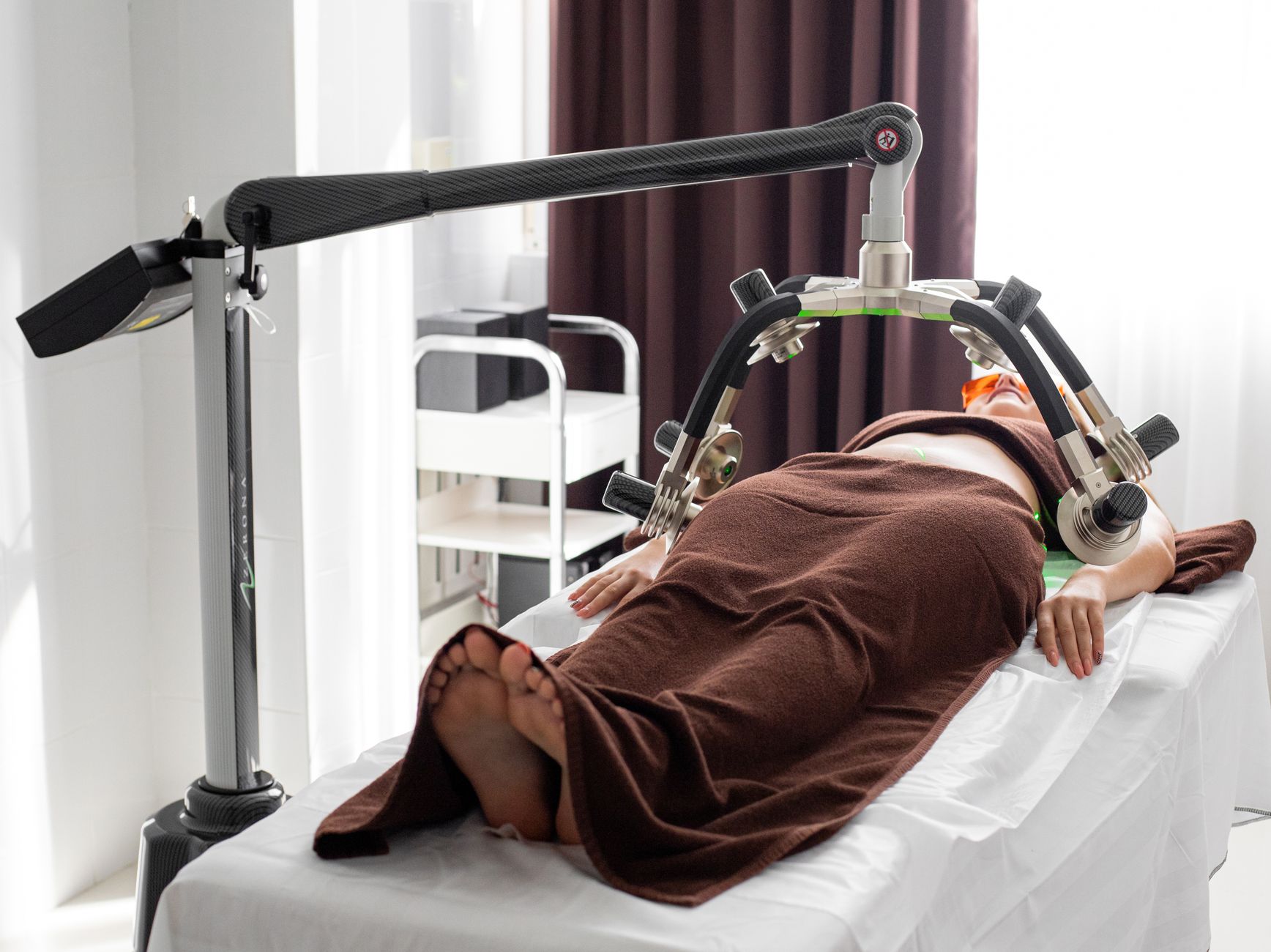
Losing weight can often feel like a monumental task. The thought of endless hours at the gym might even tempt you to reach for comfort food instead. However, incorporating self-care techniques like massage can make the journey towards a healthier weight more manageable and even enjoyable. While massage alone won't magically melt away pounds, it can significantly support your weight loss efforts in several beneficial ways.
Massage therapy offers a multifaceted approach to supporting your weight loss goals. It doesn't directly burn calories, but its effects on your body and mind can create an environment more conducive to shedding excess weight. Here’s how:
If you're new to exercise or increasing the intensity of your workouts, you're likely to experience muscle soreness and fatigue. Massage can be a powerful tool for recovery. It helps to:
By facilitating better recovery, massage helps you stay consistent with your exercise plan, which is crucial for long-term weight loss success.
Stress, depression, and anxiety can often derail weight loss efforts. They can lead to emotional eating, decreased motivation, and poor sleep. Massage therapy is well-known for its ability to:
When you feel less stressed and more positive, you're more likely to make healthier choices regarding food and exercise, and less likely to turn to food for emotional comfort.
Poor sleep is a significant, yet often overlooked, factor contributing to weight gain and difficulty losing weight. When you don't get enough quality sleep, your body's hunger hormones can become imbalanced, leading to increased appetite and cravings for unhealthy foods. Massage can improve sleep by:
Getting adequate, restorative sleep can boost your energy levels, improve your metabolism, and help regulate your appetite, all of which are vital for weight management.
Abdominal massage, in particular, may offer benefits for your digestive system. It can help to:
While studies suggest abdominal massage might reduce abdominal circumference, likely due to reduced bloating and water retention, it doesn't directly reduce appetite. You'll still need to focus on dietary changes for that aspect of weight loss.
Depending on your comfort level and specific goals, various types of massage might be beneficial. Some popular options include:
It's always a good idea to discuss your weight loss goals with your massage therapist so they can tailor the session to your needs.
While massage offers numerous benefits, it's essential to approach it with realistic expectations and awareness of potential risks:
Before embarking on any new weight loss strategy, including incorporating massage therapy, it is always advisable to consult with your doctor. They can:
Massage can be a valuable and enjoyable addition to your weight loss journey. By aiding workout recovery, reducing stress, improving sleep, and potentially supporting digestion, it creates a more favorable internal environment for shedding pounds. However, it's crucial to remember that massage is a supporting player, not the star of the show. Sustainable weight loss still hinges on consistent healthy eating and regular physical activity. When used thoughtfully and in conjunction with medical advice, massage can enhance your overall well-being and help you feel more motivated and capable of achieving your health and fitness goals.
Visit Hospital
Near You

Explore safe and effective skin glow treatment in Kolkata. Learn about popular procedures, benefits, costs, and skincare tips from experts.
May 20, 2026
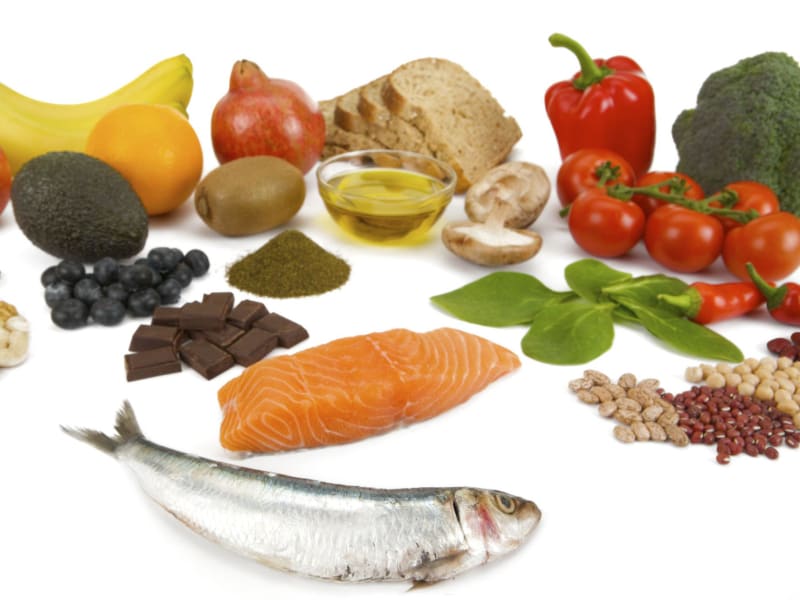
The superfood label is a marketing construct — but that doesn't mean all the foods wearing it are frauds. Some genuinely deserve the designation based on density of nutrients and breadth of evidence; others are expensive substitutes for far cheaper alternatives. Here's the honest breakdown.
April 14, 2026
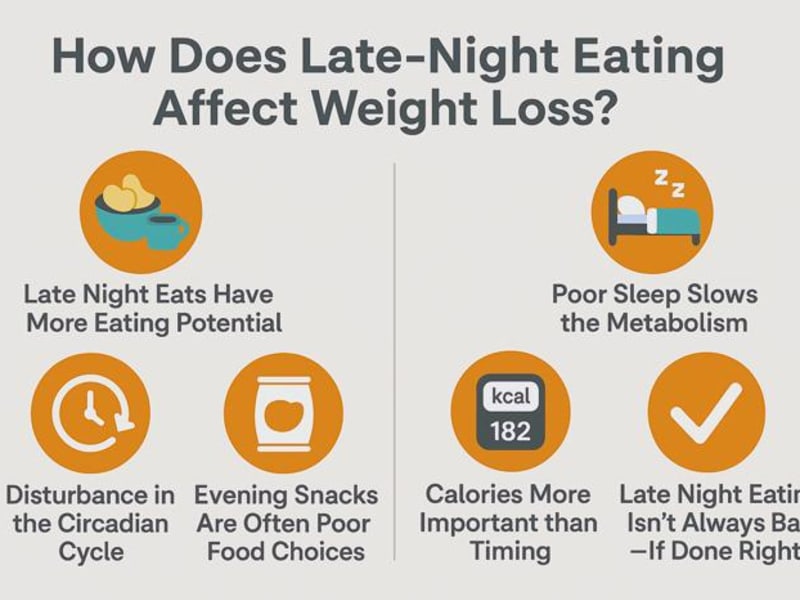
The belief that eating after 8pm automatically causes weight gain is pervasive — but the reality is more nuanced. Circadian biology, food choices, and total caloric intake all interact in ways that make the question far more interesting than a simple yes or no.
April 14, 2026