

Emergency & Help
24/7 Emergency & General Advisory
🚨 24/7 Medical Emergency
Non-Emergency Advisory
10:00 AM – 6:00 PM, Mon–Sat
For appointments & general queries.
24/7 Emergency & General Advisory
🚨 24/7 Medical Emergency
Non-Emergency Advisory
10:00 AM – 6:00 PM, Mon–Sat
For appointments & general queries.
Learn the essentials of swimming! This guide covers basic strokes like breaststroke, freestyle, and butterfly, plus vital tips for beginners of all ages. Dive into water safety and fitness.

Mastering the Water: Your Essential Guide to Learning How to Swim There's something incredibly refreshing about plunging into cool water on a warm day. But swimming is more than just a fun summer activity; it's a vital life skill that opens up a world of water-based adventures, from kayaking to surfing, and even just enjoying your local pool safely. Beyond its safety aspects, swimming is a fantastic full-body workout, engaging your muscles, heart, and lungs against water resistance. This guide is designed to help you, our Indian readers, understand the basics and build confidence in the water. Learning to swim is a journey, and the best way to start is with proper instruction. We'll break down some of the most popular swimming strokes and offer practical tips to help you improve your technique. Whether you're an adult looking to overcome a fear of water or a parent wanting your child to learn this essential skill, this guide has something for everyone. Why Learn to Swim? More Than Just a Splash In India, with its vast coastline and numerous lakes and rivers, water safety is paramount. Knowing how to swim can be the difference between life and death in unexpected situations. Imagine a family picnic by a river, and a child accidentally slips in. A parent who can swim can react quickly and effectively. Beyond safety, swimming offers a low-impact, high-reward exercise. It's gentle on your joints, making it suitable for people of all ages and fitness levels. It improves cardiovascular health, builds muscle strength, and enhances flexibility. Plus, the rhythmic nature of swimming can be incredibly calming and meditative. Getting Started: Your First Steps in the Pool Before you even think about strokes, getting comfortable in the water is key. Start by simply walking in the shallow end. Feel the water's resistance and get used to the sensation. Practice putting your face in the water and blowing bubbles – this is a simple yet effective way to get comfortable with breath control. You can also practice floating on your back and stomach, with support if needed. Remember, everyone starts somewhere, and progress is often gradual. Be patient with yourself! Understanding the Basic Strokes Let's explore some fundamental swimming strokes. We'll focus on the ones most commonly taught to beginners. 1. The Breaststroke: A Steady Rhythm The breaststroke is often considered one of the easier strokes to learn. Its rhythm is often described as “pull, breathe, kick, glide.” Keep this sequence in mind as you practice. Getting into Position: Start by floating on your stomach, face in the water. Keep your body straight and horizontal, like a log. Your arms should be extended forward, hands stacked, and legs long and together. The Pull and Breathe: Reach your hands forward about 12 to 18 inches, palms facing down and aligned with your shoulders. Now, sweep your hands outwards and backwards in a circular motion, keeping your elbows high. As your hands move, lift your head slightly to inhale. The Kick: Bring your hands together in front of your shoulders, thumbs pointing upwards. Keep your elbows close to your body. At the same time, bend your knees, bringing your feet towards your buttocks, with your feet turned outwards. The Glide: Simultaneously, extend your arms forward again. Kick your legs out and back in a circular motion, then snap your feet together. Drop your head back into the water to exhale. This completes one cycle. Aim for a smooth glide after each kick. Tip: To swim faster, keep your body as horizontal as possible. This reduces drag. Imagine your body is a sleek boat moving through the water. 2. The Freestyle (Front Crawl): The Classic Stroke Freestyle, also known as the front crawl, is the fastest and most common competitive stroke. It relies on a rhythmic flutter kick and alternating arm movements. Starting Position: Similar to the breaststroke, float on your stomach with your body horizontal and face in the water. Extend your arms forward. The Flutter Kick: This is the leg movement for freestyle. While keeping your ankles loose and knees slightly bent, move one leg up and the other down in a rapid, alternating motion. Think of it as a gentle, continuous kicking action from your hips, not just your knees. The Arm Pull: Reach your right hand forward, pointing your fingers diagonally towards the bottom of the pool. Pull your hand down and back past your thigh, keeping your elbow high. The Recovery and Breath: As your right hand passes your hip, rotate your torso slightly and bring your arm up and out of the water, bending your elbow. Swing it forward to enter the water again. As your hand exits the water, rotate your body to the side to take a breath. Repeat the pull with your left arm. Breathing Pattern: Aim to breathe every two or three arm strokes. Turn your head to the side to inhale as your arm recovers out of the water. Tip: For a faster freestyle, focus on long, relaxed arm strokes rather than short, forceful ones. Reach forward before you pull. Imagine you're reaching for the wall ahead of you. 3. The Butterfly Stroke: The Elegant Challenge The butterfly, or 'fly', is the most visually striking but also the most challenging stroke to master. It requires significant coordination and timing. The Body Wave: Before tackling the arms, learn the fundamental body movement. It’s a wave-like motion that starts from your head and travels down through your hips. Float face down. Push your head down and forward, then lift your hips up. Alternate this motion, creating a smooth undulation. Arm Movement: As your head goes down and forward, initiate a powerful arm pull. Sweep your arms down and outwards, past your hips. Simultaneously, lift your head to inhale. The Recovery: As your arms finish their pull, bring them up and across the water, swinging them forward. Continue the body wave, sending your hips down as your arms recover. Put your face back in the water to exhale. The Kick: The butterfly uses a dolphin kick. Both legs move together, up and down, like a dolphin's tail. This kick is initiated from the hips and synchronized with the body wave and arm pull. Breathing: Breathe once every two or three arm cycles. Tip: To improve your butterfly speed, keep the wave motion less exaggerated. Your hips should stay near the surface. Pointing your eyes and nose downwards helps maintain a smooth, fast line through the water. Essential Swimming Tips for Beginners Take Lessons: Seriously, this is the best investment you can make. A qualified instructor can provide personalized feedback and correct bad habits before they form. Practice Regularly: Consistency is key. Aim for short, frequent practice sessions rather than long, infrequent ones. Stay Relaxed: Tension makes you sink and struggle. Focus on smooth, controlled movements. Take deep breaths. Breathing is Crucial: Learn to exhale underwater and inhale quickly when your head is above water. Don't hold your breath! Proper Body Position: Aim for a horizontal float. A vertical body position creates more drag. Use the Right Gear: Goggles help you see underwater and protect your eyes. A swim cap can keep hair out of your face and is sometimes required in pools. Listen to Your Body: Don't push yourself too hard, especially when you're starting. Rest when you need to. A Real-Life Scenario Rohan, a 30-year-old software engineer from Pune, always felt a pang of anxiety whenever his friends planned trips to lakes or beaches. He'd make excuses, often feigning illness, because he couldn't swim and feared being the odd one out or, worse, being in danger. Seeing his younger sister learn to swim with ease at a local pool finally motivated him. He signed up for adult beginner classes, feeling embarrassed at first, but his instructor was patient and encouraging. After a few weeks of practice, Rohan managed to float independently and swim a short distance. The pride he felt was immense, and he couldn't wait to join his friends on their next adventure, no longer held back by fear. When to Consult a Doctor While learning to swim is generally safe, it's wise to consult your doctor if you have any underlying health conditions, such as: Heart conditions Respiratory issues (like asthma) Joint problems or arthritis Balance issues or a history of dizziness Open wounds or skin infections Your doctor can advise on any specific precautions you might need to take. Frequently Asked Questions (FAQ) Q1: How long does it take to learn to swim? It varies greatly depending on the individual, frequency of practice, and quality of instruction. Some people pick it up in a few weeks, while others may take a few months. The key is consistent practice and patience. Q2: I'm afraid of water. What can I do? Start slowly. Get comfortable in the shallow end, practice blowing bubbles, and focus on floating. A good instructor will understand and guide you through your fears step-by-step. Q3: Can I learn to swim
In summary, timely diagnosis, evidence-based treatment, and prevention-focused care improve long-term health outcomes.
Visit Hospital
Near You

Explore safe and effective skin glow treatment in Kolkata. Learn about popular procedures, benefits, costs, and skincare tips from experts.
May 20, 2026

The superfood label is a marketing construct — but that doesn't mean all the foods wearing it are frauds. Some genuinely deserve the designation based on density of nutrients and breadth of evidence; others are expensive substitutes for far cheaper alternatives. Here's the honest breakdown.
April 14, 2026
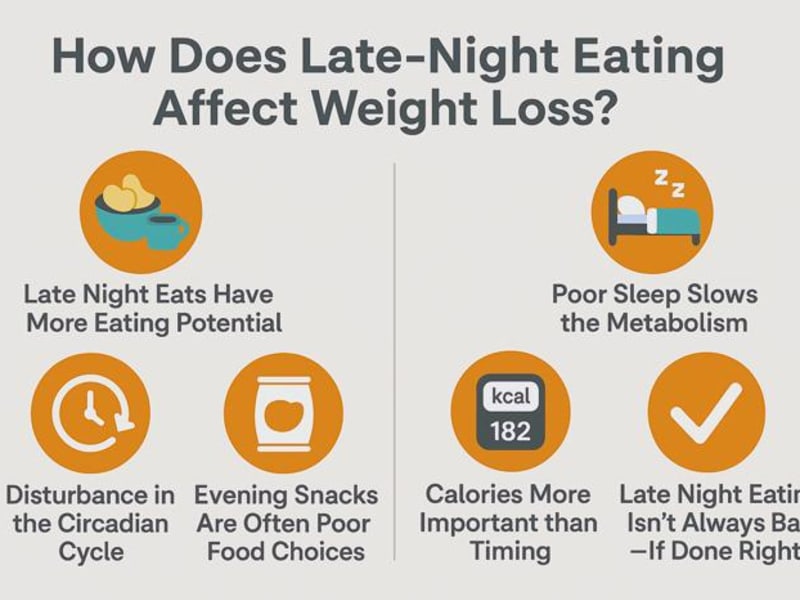
The belief that eating after 8pm automatically causes weight gain is pervasive — but the reality is more nuanced. Circadian biology, food choices, and total caloric intake all interact in ways that make the question far more interesting than a simple yes or no.
April 14, 2026