

Emergency & Help
24/7 Emergency & General Advisory
🚨 24/7 Medical Emergency
Non-Emergency Advisory
10:00 AM – 6:00 PM, Mon–Sat
For appointments & general queries.
24/7 Emergency & General Advisory
🚨 24/7 Medical Emergency
Non-Emergency Advisory
10:00 AM – 6:00 PM, Mon–Sat
For appointments & general queries.
The superfood label is a marketing construct — but that doesn't mean all the foods wearing it are frauds. Some genuinely deserve the designation based on density of nutrients and breadth of evidence; others are expensive substitutes for far cheaper alternatives. Here's the honest breakdown.
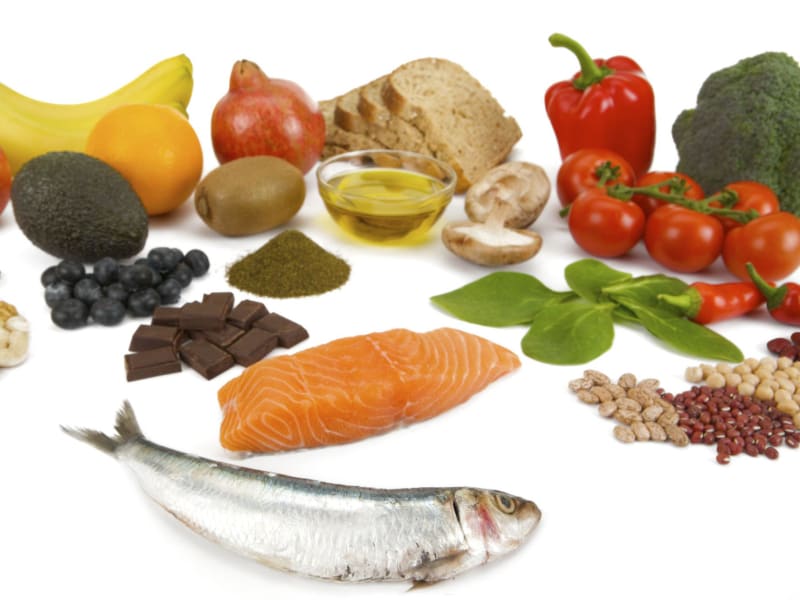
Not all superfoods live up to their claims. This science-based review separates the genuinely powerful foods from the overhyped marketing trends.
The term "superfood" has no regulatory definition. It's a marketing designation with extraordinary power over consumer behaviour and a staggering price premium — açaí powder, baobab, moringa, and camu camu can cost 10 to 50 times more per serving than nutritionally comparable whole foods. Yet some foods labelled as superfoods genuinely earn the designation based on exceptional nutrient density and a robust evidence base. The key is learning to separate the science from the sales copy.
These foods have strong, replicated scientific evidence supporting meaningful health benefits:
Blueberries: Perhaps the most evidence-backed "superfood." High in anthocyanins, associated in human trials with improved cognitive function, reduced LDL oxidation, and lower blood pressure. A 2020 American Journal of Clinical Nutrition RCT found daily blueberry consumption improved memory and executive function in older adults. Affordable, widely available, and effective.
Wild salmon: Omega-3 EPA/DHA content, astaxanthin (a potent antioxidant), and vitamin D make wild salmon one of the most nutritionally complete foods available. The evidence for cardiovascular and cognitive protection is unambiguous.
Extra virgin olive oil: PREDIMED trial data, discussed previously, confirms cardiovascular protection. Polyphenol content drives benefits; cheap "light" olive oils provide significantly less.
Walnuts: The only tree nut with meaningful omega-3 (ALA) content; associated with reduced LDL and cardiovascular mortality in large prospective studies.
Turmeric (with piperine): Curcumin has demonstrated anti-inflammatory effects in multiple RCTs; bioavailability without black pepper is too low to be meaningful.
Green tea: EGCG polyphenols backed by strong mechanistic and moderate epidemiological evidence for cancer risk reduction and metabolic health.
Dark leafy greens (kale, spinach, Swiss chard): Nutrient-to-calorie ratio unmatched in the plant kingdom. Vitamin K, folate, lutein, and magnesium in meaningful concentrations.
Açaí: High in antioxidants in lab conditions, but much of the powder used in commercial products has been processed in ways that degrade polyphenol content. Nutritionally comparable to blueberries at a fraction of the cost.
Goji berries: Marketed on the basis of traditional Chinese medicine and early lab studies. Human trial evidence for claimed benefits (longevity, immunity, vision) is weak and largely industry-funded.
Coconut oil: Despite fervent advocacy, the evidence for health benefits is minimal. It's high in saturated fat (primarily lauric acid) with less cardiovascular risk than some saturated fats, but no compelling evidence for active benefits over olive oil.
Camu camu and baobab: Extremely high vitamin C content — but vitamin C deficiency is rare in populations already eating varied fruit and vegetables, making the premium largely unnecessary.
Alkaline water: No evidence that it alters systemic pH (the body tightly regulates blood pH regardless), and no reliable human trial evidence for claimed benefits.
Most overhyped superfoods share a profile: exotic origin (which implies novelty), in-vitro antioxidant data cited without clinical human trial context, and a price point that creates perceived value. The genuinely valuable "superfoods" are often the most ordinary-looking: blueberries, walnuts, oily fish, olive oil, dark greens. The superfood industrial complex profits from redirecting attention away from these affordable staples toward expensive novelties.
Superfoods that are worth the investment are those with robust clinical evidence, not just compelling antioxidant measurements or ancestral tradition. Blueberries, fatty fish, olive oil, walnuts, turmeric, and dark greens consistently outperform their exotic competitors in evidence quality. Save your budget for these proven performers and treat the rest with healthy scepticism.
1. What makes a food a true “superfood”?
Strong scientific evidence, high nutrient density, and proven health benefits — not just marketing claims.
2. Which superfoods are actually worth it?
Blueberries, salmon, olive oil, walnuts, turmeric, and leafy greens have the best evidence.
3. Why are some superfoods overhyped?
Because they rely on marketing, lab data, or novelty rather than solid human research.
Author: Doctar Team
Disclaimer: For more information contact Doctar Team
Visit Hospital
Near You

Explore safe and effective skin glow treatment in Kolkata. Learn about popular procedures, benefits, costs, and skincare tips from experts.
May 20, 2026
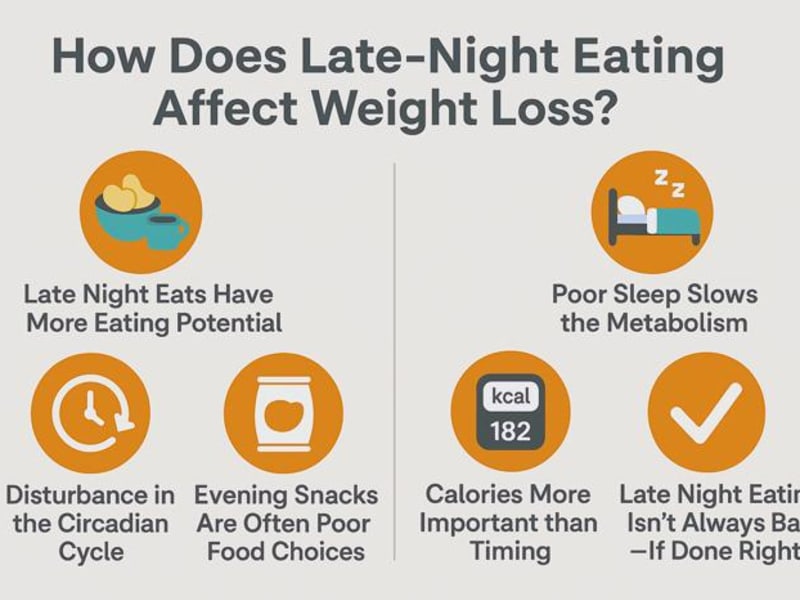
The belief that eating after 8pm automatically causes weight gain is pervasive — but the reality is more nuanced. Circadian biology, food choices, and total caloric intake all interact in ways that make the question far more interesting than a simple yes or no.
April 14, 2026
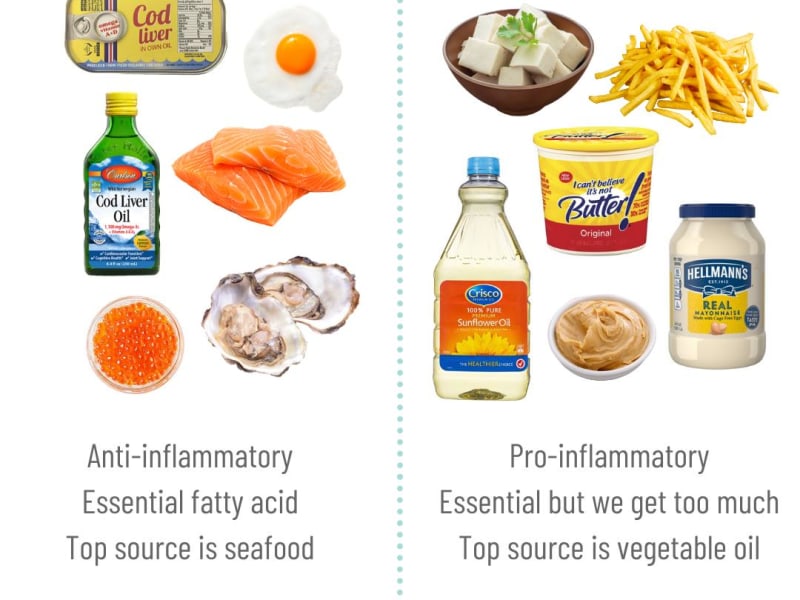
Your body needs both omega-3 and omega-6 fatty acids — but the ratio between them may be as important as their individual quantities. Modern diets have shifted this ratio dramatically, with serious implications for chronic disease and inflammation.
April 14, 2026