

Emergency & Help
24/7 Emergency & General Advisory
🚨 24/7 Medical Emergency
Non-Emergency Advisory
10:00 AM – 6:00 PM, Mon–Sat
For appointments & general queries.
24/7 Emergency & General Advisory
🚨 24/7 Medical Emergency
Non-Emergency Advisory
10:00 AM – 6:00 PM, Mon–Sat
For appointments & general queries.
Discover practical, evidence-based fitness guidance to build strength, endurance, and long-term mobility safely. This comprehensive guide covers essential pillars of fitness, program design, nutrition, and recovery, debunking common myths to help you achieve sustainable health and well-being. Sta...

Embarking on a fitness journey can be one of the most rewarding decisions you make for your overall health and well-being. However, with an overwhelming amount of information available, it's easy to feel lost or unsure where to start. This comprehensive guide provides practical, evidence-based fitness guidance to help you build strength, endurance, and long-term mobility safely and effectively. We'll cut through the noise to focus on what truly works, empowering you to create a sustainable fitness routine tailored to your unique needs.
Effective fitness isn't just about intense workouts; it's about a holistic approach that integrates several key components. Understanding these pillars is crucial for designing a balanced program.
Strength training, also known as resistance training, is fundamental for building muscle mass, increasing bone density, and boosting metabolism. It involves working your muscles against a form of resistance, whether it's your body weight, free weights, resistance bands, or machines. Regular strength training can significantly improve your functional strength, making everyday tasks easier and reducing the risk of injuries.
Cardiovascular endurance, or aerobic fitness, refers to your body's ability to deliver oxygen to working muscles during prolonged physical activity. It's vital for heart health, lung function, and stamina. Activities like running, swimming, cycling, brisk walking, and dancing fall into this category.
Often overlooked, flexibility and mobility are crucial for injury prevention, maintaining range of motion, and improving overall physical performance. Flexibility refers to the ability of your muscles and connective tissues to lengthen, while mobility is the ability of a joint to move through its full range of motion without pain.
A well-rounded fitness program incorporates elements from all these pillars. Here's how to get started:
Define what you want to achieve. Do you want to run a 5K, lift a certain weight, or simply feel more energetic? Make your goals SMART: Specific, Measurable, Achievable, Relevant, and Time-bound.
If you're new to exercise, begin with a manageable routine and gradually increase intensity, duration, or frequency. This prevents burnout and injury. Listen to your body and don't push too hard too soon.
Always start with a 5-10 minute warm-up (light cardio and dynamic stretches) to prepare your body for exercise. End with a 5-10 minute cool-down (light cardio and static stretches) to aid recovery and flexibility.
Fitness extends beyond workouts. Proper nutrition fuels your body and supports muscle repair and growth. Ensure you're consuming enough protein, complex carbohydrates, and healthy fats. Adequate sleep and recovery are equally important, allowing your muscles to repair and grow stronger. Aim for 7-9 hours of quality sleep per night.
The ultimate goal of fitness is not just aesthetic appeal, but sustainable health and mobility throughout your life. By consistently engaging in a balanced fitness routine, you're investing in a future with fewer aches, greater independence, and a higher quality of life. Focus on functional movements that mimic daily activities, maintaining good posture, and staying active even on rest days.
For general health, aim for at least 150 minutes of moderate-intensity cardio or 75 minutes of vigorous-intensity cardio per week, plus strength training for all major muscle groups at least two days a week.
Bodyweight exercises (squats, push-ups, planks), resistance bands, and outdoor activities like running or hiking are excellent options for home workouts.
Results vary based on consistency, intensity, and individual factors. Most people start noticing changes in strength and endurance within 4-8 weeks, with more significant visible changes taking longer.
Light soreness (DOMS) is normal. If you experience sharp pain, extreme fatigue, or joint pain, it's best to rest or consult a healthcare professional. Listen to your body.
The
Visit Hospital
Near You

Explore safe and effective skin glow treatment in Kolkata. Learn about popular procedures, benefits, costs, and skincare tips from experts.
May 20, 2026

The superfood label is a marketing construct — but that doesn't mean all the foods wearing it are frauds. Some genuinely deserve the designation based on density of nutrients and breadth of evidence; others are expensive substitutes for far cheaper alternatives. Here's the honest breakdown.
April 14, 2026
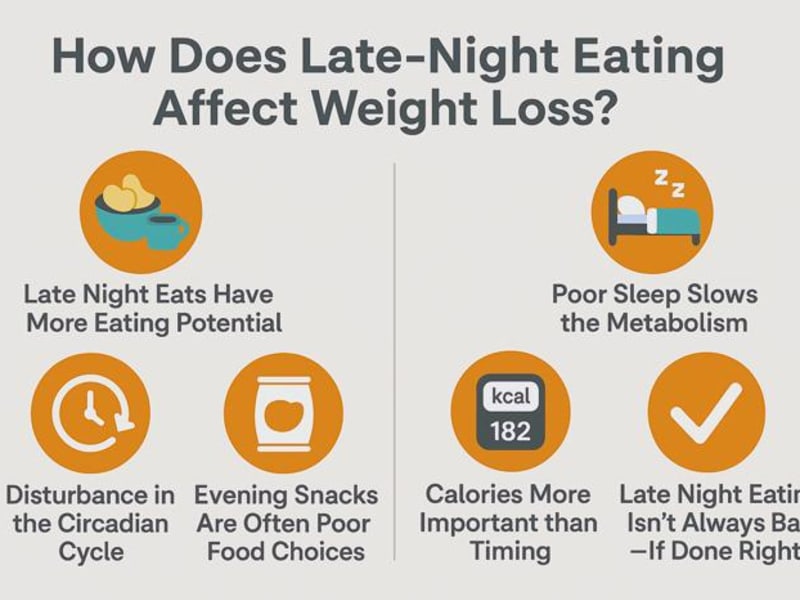
The belief that eating after 8pm automatically causes weight gain is pervasive — but the reality is more nuanced. Circadian biology, food choices, and total caloric intake all interact in ways that make the question far more interesting than a simple yes or no.
April 14, 2026