

Emergency & Help
24/7 Emergency & General Advisory
🚨 24/7 Medical Emergency
Non-Emergency Advisory
10:00 AM – 6:00 PM, Mon–Sat
For appointments & general queries.
24/7 Emergency & General Advisory
🚨 24/7 Medical Emergency
Non-Emergency Advisory
10:00 AM – 6:00 PM, Mon–Sat
For appointments & general queries.
Explore the 'sober curious' movement: a personal journey to understand your relationship with alcohol without necessarily quitting forever. Learn practical steps, benefits, and when to seek help.
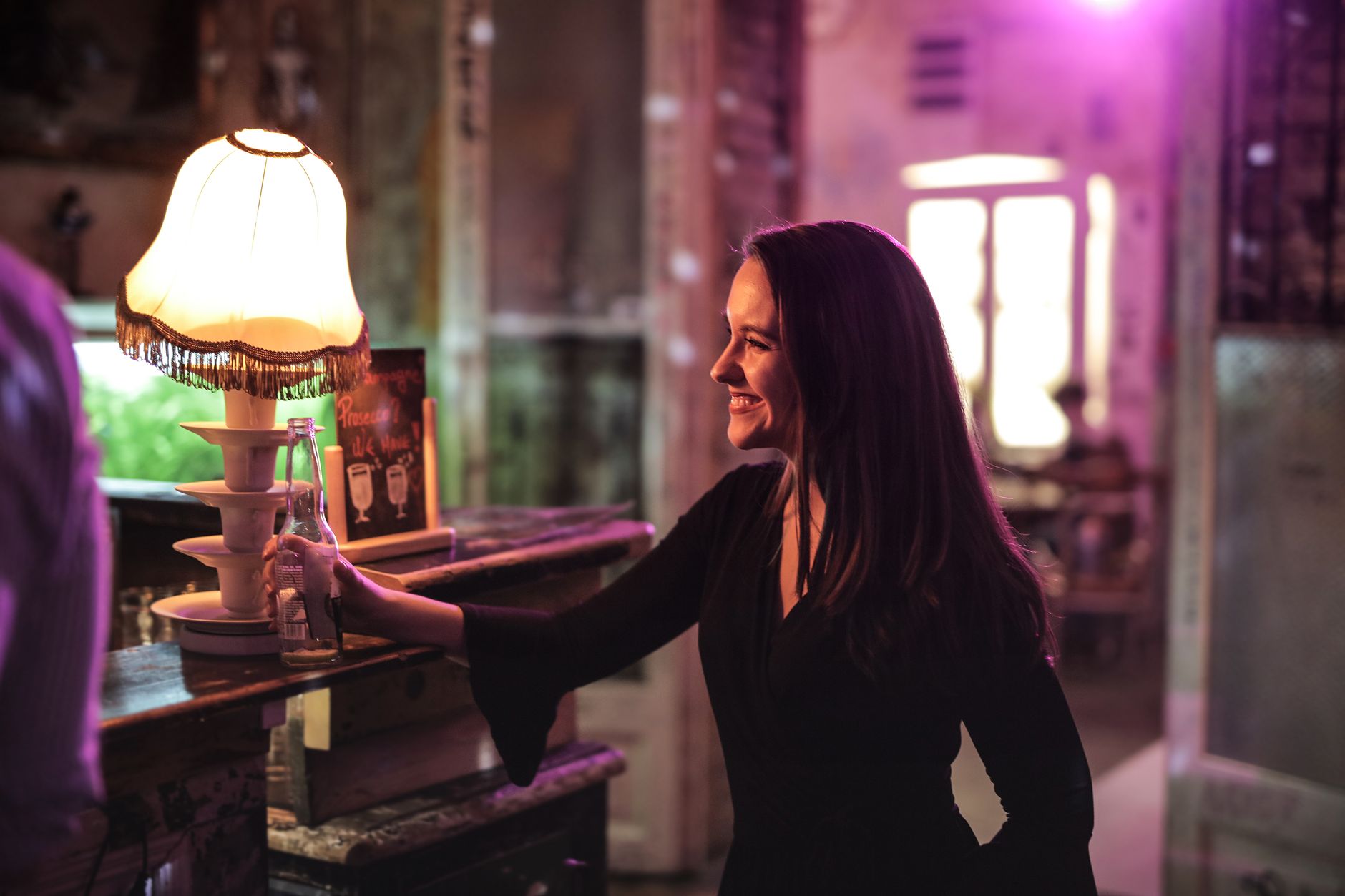
In recent times, a growing number of people, both globally and right here in India, are starting to question their relationship with alcohol. This isn't about addiction or a formal diagnosis of alcohol dependence; it's about curiosity. It's about wondering: what would my life be like without regular alcohol? This exploration is often termed the ‘sober curious’ movement. It encourages you to examine your drinking habits and decide what truly serves you, without the pressure of permanent abstinence or a clinical need to quit. Think of it as a personal experiment to understand your body and mind better.
The term ‘sober curious’ was popularized by Ruby Warrington in her 2018 book. She suggested that it’s possible to step back from alcohol, not necessarily out of necessity, but out of a desire for greater well-being. This movement resonates with many who feel societal pressure to drink, or who simply want to explore life with a clearer mind and more energy. It’s about making conscious choices regarding alcohol consumption.
India has a diverse relationship with alcohol, varying from cultural celebrations to personal choices. However, modern lifestyles, increased stress, and a growing awareness of health are prompting many to re-evaluate their drinking habits. Here’s why the sober curious approach might appeal to you:
Imagine this scenario: Priya, a 32-year-old marketing professional in Mumbai, often found herself having a couple of drinks after work with colleagues or at weekend social events. She didn’t feel she had a problem, but she noticed she was often groggy the next day, her sleep wasn't refreshing, and she felt her productivity dipping. She decided to try being sober curious for a month, not to quit forever, but to see how she felt. She replaced her evening drink with herbal tea and found herself sleeping better and feeling more energetic by the end of the first week.
It’s important to distinguish being sober curious from complete abstinence due to addiction. People who identify as sober curious may not have an alcohol use disorder. They might not intend to give up alcohol permanently. Instead, they are exploring a temporary reduction or elimination of alcohol to understand its impact on their lives. This exploration might lead to:
The key difference lies in the intent and flexibility. Sober curiosity is about questioning and experimenting, not necessarily about a lifelong commitment to not drinking.
Embarking on this path can feel daunting, but a structured approach can make it smoother. Here are practical steps:
What prompted you to consider this? Is it health concerns, better sleep, increased energy, or a desire for clearer thinking? Write down your reasons. This will be your motivation during challenging moments.
Are you aiming for a specific period, like ‘Sober October’ or 30 days? Or are you committing to ‘no alcohol for now’? Having a defined goal, even if it’s flexible, provides structure. For instance, you might commit to avoiding alcohol on weeknights and re-evaluating on weekends.
What will you drink or do instead of alcohol? Stock your fridge with interesting non-alcoholic beverages like mocktails, sparkling water with fruit, or gourmet teas. Plan activities that don’t revolve around drinking, such as evening walks, reading, or pursuing a hobby.
Share your intentions with supportive friends or family. Finding a community, online or offline, of like-minded individuals can provide encouragement. Many online forums and social media groups are dedicated to sober living and exploration.
Social events can be tricky. Have a plan for how you’ll handle questions or offers of alcohol. You can simply say, “I’m taking a break right now,” or “I’m exploring how I feel without alcohol.” Most people will respect your decision, especially if you communicate it confidently.
When you feel tempted, shift your focus from what you're ‘missing out on’ to what you are gaining. Remind yourself of the increased energy, better sleep, and mental clarity. This positive reinforcement is powerful.
Stepping back from alcohol, even temporarily, can unlock numerous benefits:
While sober curiosity is about personal exploration, it’s essential to recognize when you might need more support. If you find it extremely difficult to cut back on alcohol, experience severe withdrawal symptoms when you try, or feel that alcohol is negatively impacting your relationships, work, or health despite your best efforts, it’s time to consult a professional. A doctor or a therapist specializing in addiction and mental health can provide guidance and support. Support groups like Alcoholics Anonymous (AA) or SMART Recovery can also be invaluable resources for those who feel they may have a more significant issue with alcohol dependence.
A1: No. Sober curiosity is about questioning and exploring your relationship with alcohol, often without having an alcohol use disorder. Total sobriety, especially in recovery, is often a necessity for individuals with diagnosed alcohol dependence.
A2: Not necessarily. The goal of sober curiosity is to understand your relationship with alcohol. You might choose to drink mindfully in moderation after your exploration, or you might decide to abstain permanently. The choice is yours.
A3: You can enjoy mocktails, flavoured sparkling water, kombucha, herbal teas, or even non-alcoholic versions of popular spirits and beers. Many restaurants and bars now offer excellent alcohol-free options.
A4: There's no set duration. Many people start with a month (like Sober October or Dry January) to gauge the effects. You can then decide if you want to continue for longer or reintroduce alcohol mindfully.
Visit Hospital
Near You
Discover how to find a top sexologist in Nalanda for discreet and effective sexual health care. Learn what to look for and common treatment approaches.
May 19, 2026
Access expert medical advice online at affordable prices. Connect with verified doctors for quick, reliable healthcare solutions.
May 16, 2026

Discover the incredible health benefits of cuddling, from reducing stress and lowering blood pressure to boosting mood and strengthening relationships. Learn practical ways to incorporate more comforting touch into your life.
April 1, 2026