

Emergency & Help
24/7 Emergency & General Advisory
🚨 24/7 Medical Emergency
Non-Emergency Advisory
10:00 AM – 6:00 PM, Mon–Sat
For appointments & general queries.
24/7 Emergency & General Advisory
🚨 24/7 Medical Emergency
Non-Emergency Advisory
10:00 AM – 6:00 PM, Mon–Sat
For appointments & general queries.
Discover your unique wellness style! Learn about different wellness types and how to create a personalized plan for better health and happiness.
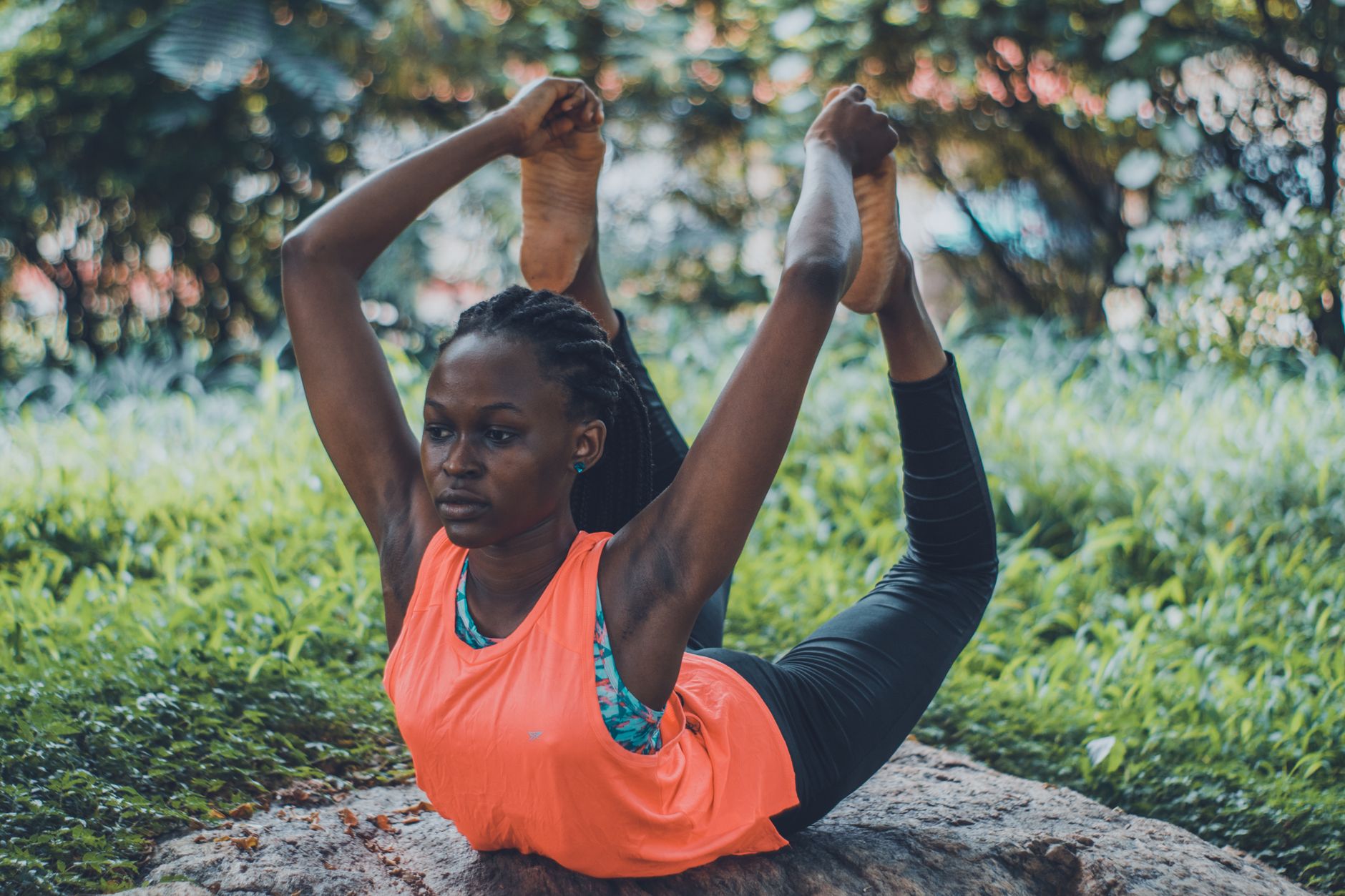
In today's fast-paced world, the concept of 'wellness' has gained immense popularity. But what does it truly mean? For many, it's a buzzword, a goal that seems to shift and change. Wellness isn't a one-size-fits-all destination; it's a personal journey, deeply influenced by various aspects of our lives. It encompasses your emotional, mental, and physical health, and the intricate connections between them. Just as our definitions of wellness vary, so do our individual wellness styles. The way we eat, how we move our bodies, our daily self-care rituals – all these elements shape our unique path to well-being. Understanding Your Personal Wellness Style Think about your daily routine. Are you someone who starts the day with a brisk walk or a calming meditation? Do you find energy in social gatherings or prefer quiet evenings with a book? Your preferences, habits, and lifestyle choices all contribute to your personal wellness type. Recognizing these patterns can help you build a more effective and enjoyable wellness plan. This guide is designed to help you explore these differences. We'll look at various aspects that contribute to your overall well-being and how they might align with different wellness styles. There are no right or wrong answers; this is about self-discovery and understanding what makes you feel your best. Let's embark on this journey to uncover your unique wellness type! The Six Pillars of Wellness While wellness is multifaceted, it can often be understood through several key pillars. These pillars interact and influence each other, creating a holistic picture of your well-being: Physical Wellness: This involves taking care of your body through healthy eating, regular exercise, adequate sleep, and regular medical check-ups. It's about making choices that support your physical health and prevent illness. Emotional Wellness: This relates to understanding and managing your emotions. It includes expressing your feelings in a healthy way, building resilience, and maintaining positive relationships. Mental Wellness: This focuses on your cognitive state. It involves your ability to think, learn, and solve problems. It also includes maintaining a positive self-image and engaging in activities that stimulate your mind. Social Wellness: This pillar emphasizes the importance of building and maintaining healthy relationships with others. It's about feeling connected, supported, and valued within your community and social circles. Spiritual Wellness: This doesn't necessarily mean religious beliefs. It's about finding a sense of purpose and meaning in life. It can involve connecting with nature, practicing mindfulness, or engaging in activities that bring you joy and fulfillment. Environmental Wellness: This refers to the impact of your surroundings on your well-being. It includes maintaining a healthy living and working space, and appreciating the natural world around you. Exploring Different Wellness Types Based on how individuals prioritize and engage with these pillars, several wellness types can emerge. Let's explore some common ones: 1. The Active Achiever Individuals who identify with this type often prioritize physical wellness. Their days are typically filled with structured exercise, whether it's hitting the gym, playing a sport, or going for long runs. They thrive on physical challenges and see exercise as a primary way to manage stress and boost their mood. Their diet is usually carefully planned to fuel their active lifestyle. Scenario: Rohan, a software engineer, wakes up at 5 AM every day for his intense gym routine. He meticulously tracks his macros and believes that physical exhaustion is the key to a productive day. Even on weekends, he's often found participating in marathons or cycling events. 2. The Mindful Mover This type blends physical activity with a strong emphasis on mental and emotional well-being. They might prefer gentler forms of exercise like yoga, tai chi, or walking, focusing on the mind-body connection. Mindfulness, meditation, and deep breathing exercises are integral parts of their routine. They seek balance and stress reduction through their physical practices. Scenario: Priya, a school teacher, finds solace in her daily yoga practice. She believes that connecting her breath with movement helps her manage the daily stresses of her job and brings a sense of calm to her mind. After her session, she often spends a few minutes in quiet reflection. 3. The Nourished Nurturer For the Nourished Nurturer, nutrition is at the forefront of their wellness journey. They are passionate about healthy eating, often experimenting with recipes, understanding food labels, and sourcing fresh, wholesome ingredients. They believe that 'you are what you eat' and that a balanced diet is the foundation for good health. They may also extend this nurturing approach to their loved ones, encouraging healthy eating habits within their family. Scenario: Mrs. Sharma spends her weekends visiting local farmers' markets, carefully selecting fresh vegetables and fruits. She enjoys preparing nutritious meals for her family and often researches the health benefits of different ingredients before adding them to her recipes. 4. The Social Connector This wellness type thrives on connection and community. Their well-being is deeply linked to their relationships and social interactions. They find joy and energy in spending time with friends and family, participating in group activities, and feeling part of a supportive network. Loneliness or isolation can significantly impact their mood and overall health. Scenario: Vikram loves organizing weekend get-togethers with his friends. He believes that laughter and shared experiences are essential for his happiness. He actively participates in community events and volunteers his time, finding fulfillment in contributing to a larger group. 5. The Calm Cultivator This individual prioritizes mental and emotional well-being above all else. They actively seek ways to manage stress, cultivate inner peace, and maintain emotional balance. This might involve journaling, spending time in nature, engaging in creative hobbies, or seeking professional help when needed. They understand that mental health is as important as physical health. Scenario: Anjali often feels overwhelmed by her demanding job. To cope, she has taken up sketching and spends an hour each evening drawing. She finds that this creative outlet helps her process her thoughts and emotions, bringing a sense of calm and focus to her life. 6. The Curious Explorer The Curious Explorer is always seeking new knowledge and experiences related to wellness. They enjoy learning about different health trends, trying new activities, and experimenting with various self-care practices. They are open-minded and adaptable, seeing wellness as an ongoing adventure. They might dabble in different diets, try new fitness classes, or read extensively on health topics. Scenario: Sameer is fascinated by the latest research on sleep hygiene. He has recently started a sleep diary, experimented with different bedtime routines, and is considering trying a mindfulness app to improve his sleep quality. He enjoys the process of learning and adapting. How to Identify Your Wellness Type Reflecting on your daily habits, preferences, and what truly energizes you is key. Ask yourself: What activities make you feel most alive and energized? What do you do when you feel stressed or overwhelmed? What aspects of your health do you focus on most? What brings you a sense of peace and contentment? What kind of social interactions do you find most fulfilling? There's no need to fit neatly into one box. Most people are a blend of different types. The goal is to understand your dominant tendencies and how you can leverage them for better health. Tailoring Your Wellness Plan Once you have a better understanding of your wellness type, you can tailor your approach: Active Achievers: Ensure you incorporate rest and recovery into your fitness routine. Listen to your body to prevent burnout. Mindful Movers: Explore incorporating strength training or other forms of activity that complement your mindful practices. Nourished Nurturers: Remember to prioritize your own nutritional needs amidst caring for others. Don't forget the importance of hydration and balanced meals for yourself. Social Connectors: Schedule regular time for social interaction, but also ensure you have downtime to recharge your energy. Calm Cultivators: While mental peace is vital, ensure you're also attending to your physical health through movement and nutrition. Curious Explorers: While exploration is great, try to stick with a few core practices consistently to see their long-term benefits. Understanding your wellness type isn't about labeling yourself; it's about self-awareness. It empowers you to create a wellness strategy that resonates with your unique personality, preferences, and lifestyle. By embracing your individual style, you can build a more sustainable, enjoyable, and effective path to overall well-being. Frequently Asked Questions (FAQ) Q1: Can I be more than one wellness type? Absolutely! Most people are a combination of different wellness types. Identifying your primary type can help you focus your efforts, but it's perfectly normal to have characteristics of several types. Q2: How does my environment affect my wellness type? Your surroundings play a significant role. For example, a Calm Cultivator might thrive in a serene, nature-filled environment, while an Active Achiever might need access to gyms or outdoor spaces to support their lifestyle. Q3: Is there a 'best' wellness type? There is no single 'best' wellness type. The most effective approach is the one that aligns with your personal needs, preferences, and lifestyle, and helps you achieve
In summary, timely diagnosis, evidence-based treatment, and prevention-focused care improve long-term health outcomes.
Visit Hospital
Near You
Discover how to find a top sexologist in Nalanda for discreet and effective sexual health care. Learn what to look for and common treatment approaches.
May 19, 2026
Access expert medical advice online at affordable prices. Connect with verified doctors for quick, reliable healthcare solutions.
May 16, 2026

Discover the incredible health benefits of cuddling, from reducing stress and lowering blood pressure to boosting mood and strengthening relationships. Learn practical ways to incorporate more comforting touch into your life.
April 1, 2026