

Emergency & Help
24/7 Emergency & General Advisory
🚨 24/7 Medical Emergency
Non-Emergency Advisory
10:00 AM – 6:00 PM, Mon–Sat
For appointments & general queries.
24/7 Emergency & General Advisory
🚨 24/7 Medical Emergency
Non-Emergency Advisory
10:00 AM – 6:00 PM, Mon–Sat
For appointments & general queries.
Explore the potential benefits and safe uses of ylang ylang essential oil for mood, stress, and skin. Learn about dilution, patch testing, and precautions for Indian readers.
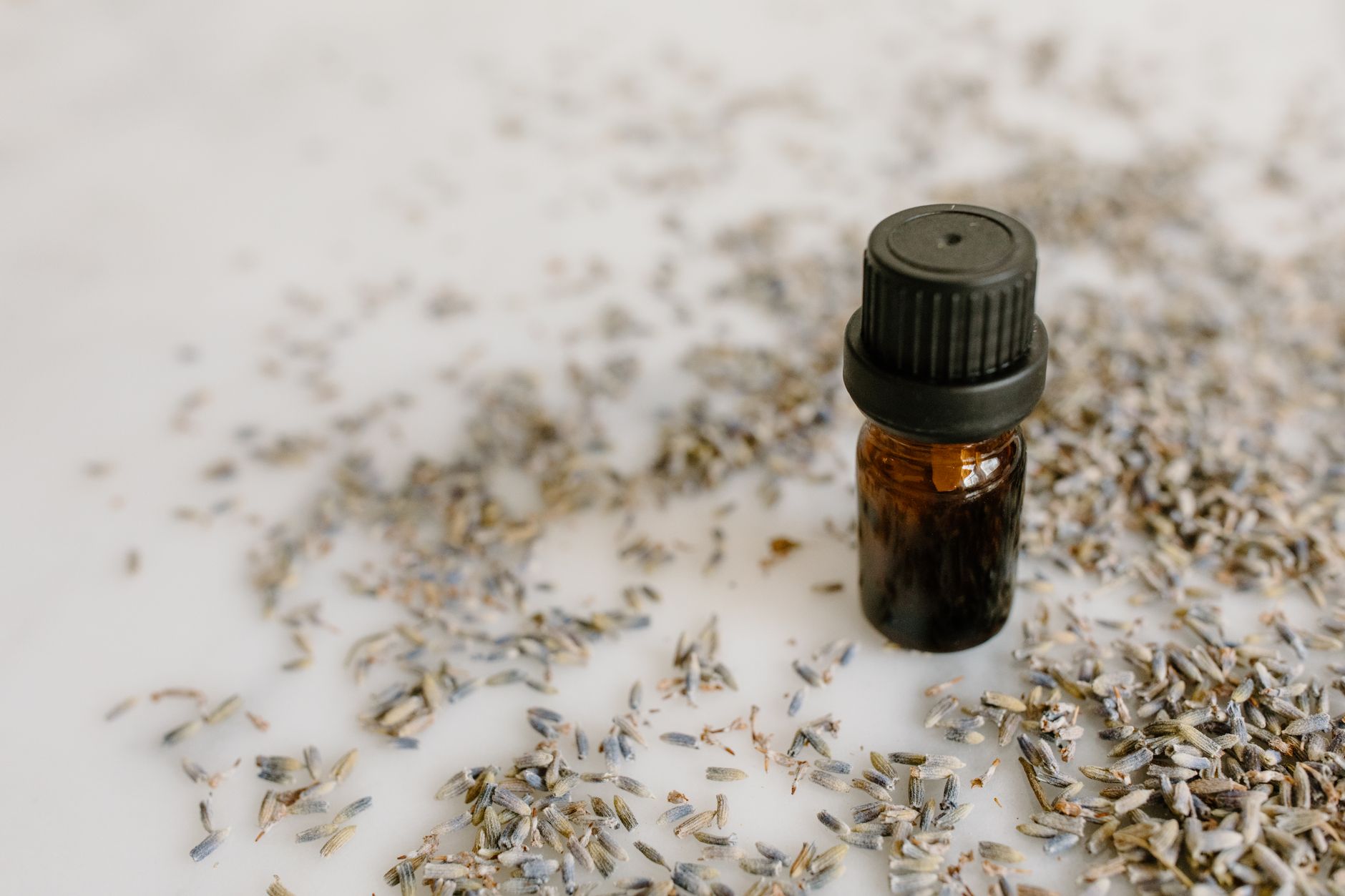
The enchanting aroma of ylang ylang, a tropical flower native to the Indian Ocean region, has captivated people for centuries. Its star-shaped yellow blossoms are not just beautiful; they are the source of a potent essential oil cherished in perfumery and traditional practices. While its scent is widely loved and used in everything from perfumes to lotions, the claims about its health benefits range from mood enhancement to pain relief. But what does the science say, and how can you safely incorporate ylang ylang into your wellness routine, especially here in India?
Ylang ylang, scientifically known as Cananga odorata, is a tree that bears fragrant, yellow flowers. It thrives in tropical climates, finding its roots in countries like India, the Philippines, Malaysia, and Indonesia. Traditionally, ylang ylang has been used in various ways, from adding fragrance to ceremonies to being part of folk medicine. It's often explored for its purported aphrodisiac qualities, though scientific backing for this is primarily anecdotal.
The distillation process of ylang ylang flowers yields different grades of essential oil, each with a distinct scent profile and potency. Understanding these grades can help you choose the right product for your needs:
While robust scientific research is still developing, some studies and traditional uses suggest potential benefits of ylang ylang essential oil. It's important to remember that these findings are often preliminary and should not replace conventional medical treatment.
One of the most frequently cited benefits of ylang ylang is its ability to uplift mood and reduce feelings of stress and anxiety. A small study in 2014 indicated that inhaling ylang ylang or applying it to the skin could help lower anxiety levels and boost self-esteem. The sweet, floral aroma is thought to have a calming effect on the nervous system.
Scenario: Priya, a busy professional in Mumbai, often feels overwhelmed by work deadlines and city traffic. She started diffusing ylang ylang oil in her home office in the evenings and found herself feeling more relaxed and less tense after a long day.
Emerging research suggests ylang ylang might offer some relief from pain, particularly neuropathic pain. A 2022 animal study showed promising results in mice with nerve pain. While more research is needed to confirm these effects in humans, it opens avenues for exploring ylang ylang as a complementary approach to pain management.
Some laboratory and in vivo studies have indicated that ylang ylang may possess properties that help fight certain bacterial and fungal infections. This suggests a potential role in topical applications for minor skin issues, though it's not a substitute for prescribed medications.
Historically, ylang ylang has been used for a variety of purposes, including as an aid for indigestion, asthma, and malaria. It has also been explored for its potential as an aphrodisiac. However, these applications lack strong scientific evidence.
Given its potency, using ylang ylang essential oil requires caution. Always prioritize safety to avoid adverse reactions.
Never apply undiluted (neat) ylang ylang essential oil directly to your skin. Essential oils are highly concentrated and can cause irritation or allergic reactions. Always mix them with a carrier oil before topical application. A good starting point is one drop of ylang ylang oil per teaspoon of carrier oil, such as:
Before applying a diluted ylang ylang mixture to a larger area of your skin, perform a patch test. Apply a small amount to an inconspicuous area, like your inner forearm, and wait for 24 hours. If you notice any redness, itching, or irritation, do not use the oil.
Inhaling ylang ylang through aromatherapy is a popular and generally safe method. Add a few drops of the essential oil to a diffuser with water. This can help create a relaxing ambiance in your home or workspace.
Ylang ylang can be incorporated into DIY skincare and haircare products after proper dilution. It's often added to massage oils for dry skin or rubbed onto the scalp to help combat dryness and potentially boost oil production. However, always ensure it's well-diluted and perform a patch test.
Store your ylang ylang essential oil in a dark, opaque glass container. Keep it in a cool, dry place away from direct sunlight to preserve its quality and prolong its shelf life. Properly stored, it can last for a year or even longer.
While ylang ylang offers potential benefits, it's not without risks. Awareness of these precautions is vital for safe usage.
Ylang ylang contains compounds like isoeugenol, which can be allergenic and irritating to the skin for some individuals. This underscores the importance of dilution and patch testing.
Ylang ylang essential oil is not meant to be ingested. Consuming essential oils can be toxic and lead to serious health issues.
Crucially, ylang ylang is toxic to pets, particularly dogs and cats. Do not apply it to your pet's skin, fur, or allow them to ingest it. Ensure diffusers are used in areas inaccessible to pets, and that pets do not lick treated skin or surfaces.
It is always best to consult with a healthcare professional before using ylang ylang essential oil for any health condition, especially if you:
Ylang ylang essential oil should be seen as a complementary therapy, not a replacement for prescribed medications or professional medical advice. If you experience any adverse reactions, discontinue use immediately and seek medical attention.
No, you should always dilute ylang ylang essential oil with a carrier oil before applying it to your skin. A common ratio is one drop of essential oil per teaspoon of carrier oil. Always perform a patch test first.
Ylang ylang oil can cause skin irritation in some individuals due to allergens like isoeugenol. It is also toxic to pets. Pregnant or breastfeeding women, and those with existing health conditions, should consult a doctor before use.
The sweet, floral aroma of ylang ylang is believed to have a calming effect on the nervous system, potentially reducing stress hormones and promoting relaxation. This is primarily through inhalation via aromatherapy.
Ylang Ylang Extra is the first and most potent distillation fraction with the strongest scent, but it fades quickly. Ylang Ylang Complete is a blend of all distillation fractions, offering a more complex and rounded aroma that lasts longer.
Some preliminary studies suggest ylang ylang may have antibacterial and antifungal properties. However, these findings are not conclusive, and it should not be used as a substitute for prescribed medical treatments for infections.
Visit Hospital
Near You
Discover how to find a top sexologist in Nalanda for discreet and effective sexual health care. Learn what to look for and common treatment approaches.
May 19, 2026
Access expert medical advice online at affordable prices. Connect with verified doctors for quick, reliable healthcare solutions.
May 16, 2026

Discover the incredible health benefits of cuddling, from reducing stress and lowering blood pressure to boosting mood and strengthening relationships. Learn practical ways to incorporate more comforting touch into your life.
April 1, 2026