

Emergency & Help
24/7 Emergency & General Advisory
🚨 24/7 Medical Emergency
Non-Emergency Advisory
10:00 AM – 6:00 PM, Mon–Sat
For appointments & general queries.
24/7 Emergency & General Advisory
🚨 24/7 Medical Emergency
Non-Emergency Advisory
10:00 AM – 6:00 PM, Mon–Sat
For appointments & general queries.
Explore the potential of castor oil for reducing dark circles. Learn about its properties, how to use it safely, and effective alternatives for brighter under-eye skin.
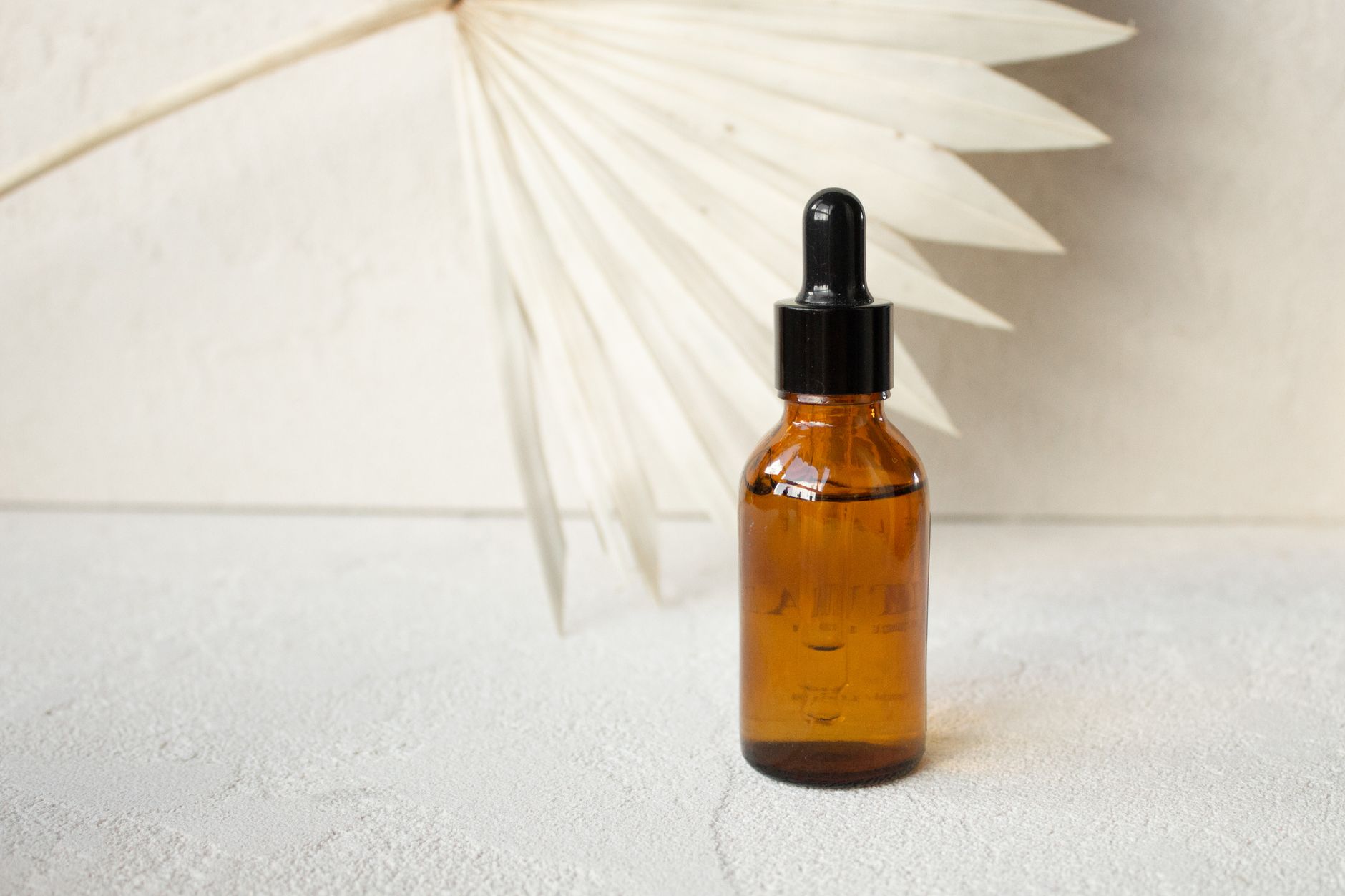
We all want to look our best, and for many of us, those persistent dark circles under our eyes can be a real concern. They can make us look tired, older, and just not quite ourselves. You might have heard whispers, or even seen articles, suggesting that castor oil could be the magical solution. It's a natural remedy that's been around for ages, and its uses in traditional medicine are vast. But does it really work for those pesky under-eye shadows? Let's explore what the science says, what people are experiencing, and how you might safely try it yourself. What Exactly is Castor Oil? Castor oil is a vegetable oil that comes from the seeds of the castor bean plant. It's not just any oil; it's packed with beneficial fatty acids. The most prominent is ricinoleic acid, which is known for its anti-inflammatory properties. It also contains oleic acid and linoleic acid. These fatty acids work wonders for our skin. They help to reduce inflammation, fight off microbes, and keep our skin beautifully moisturized. What makes castor oil unique is its chemical structure. It loves both water and fat, which means it can penetrate the skin more effectively than many other vegetable oils. This deep penetration is key to how it might benefit your skin. Why Do We Get Dark Circles Anyway? Before we dive into how castor oil might help, it's important to understand what causes dark circles. They aren't always a sign of sleepless nights, although that can be a factor! For some people, dark circles are due to an increase in pigmentation in the delicate skin under the eyes. This means the skin there is naturally darker. For others, it's about the skin's structure. The skin under our eyes is incredibly thin. When it's very thin, the blood vessels underneath can show through more easily, creating a dark appearance. Factors like genetics, aging, and even chronic allergies can contribute to this thinning and increased visibility of blood vessels. Sometimes, dehydration can also make the skin look dull and emphasize shadows. Common Causes of Dark Circles: Genetics: A family history of dark circles. Aging: Skin loses collagen and becomes thinner over time. Allergies: Allergic reactions can cause inflammation and rubbing, leading to darker skin. Fatigue: Lack of sleep can make skin pale, allowing dark tissues and blood vessels beneath to show. Dehydration: Not drinking enough water can make skin look sunken and dark. Sun Exposure: Can cause increased melanin production, darkening the skin. Does Castor Oil Actually Work for Dark Circles? This is the million-dollar question, isn't it? Here's the honest truth: there are no large-scale scientific studies specifically proving that castor oil reduces dark circles under the eyes. Most of the evidence you'll find is anecdotal. This means it comes from people sharing their personal experiences. Dermatologists, like Dr. Rachel Maiman, suggest that the benefits are theoretical, based on castor oil's known properties and the positive feedback from patients. They believe that because castor oil is so good at moisturizing and has anti-inflammatory effects, it might help improve the appearance of the under-eye area, especially if thinning skin or dryness is the cause. The ricinoleic acid in castor oil is also noted for potentially promoting hair growth, which some believe could help thicken the skin slightly over time, making veins less visible. However, this is still an area needing more scientific investigation. Think about Priya, a busy working mother in Mumbai. She often noticed dark circles after long days at the office and caring for her toddler. She tried various creams with little success. Hearing about castor oil from a friend, she decided to give it a try, mixing a drop with almond oil. After a few weeks of nightly application, she felt her under-eye skin looked a bit more hydrated and less tired, though the darkness hadn't vanished completely. Her experience highlights the mixed results people often see. Potential Benefits of Castor Oil for Under-Eye Skin Even without definitive scientific proof, castor oil offers several properties that could indirectly benefit the under-eye area: Moisturization: Its fatty acids deeply hydrate the skin, plumping it up and potentially making fine lines less noticeable. Well-hydrated skin looks healthier and more radiant. Anti-inflammatory Effects: If allergies or irritation contribute to your dark circles, the anti-inflammatory nature of castor oil might help soothe the area. Improved Skin Texture: By moisturizing and potentially promoting collagen, castor oil might improve the overall texture and elasticity of the thin under-eye skin over time. Antimicrobial Properties: While not directly related to dark circles, these properties help maintain skin health. How to Use Castor Oil for Dark Circles Safely If you're considering trying castor oil, it's essential to do so carefully. The skin under your eyes is delicate and can be easily irritated. Step-by-Step Application: Cleanse Your Face: Start with a clean face. Gently wash away any makeup or dirt. Pat Dry: Use a soft towel to gently pat your face dry. Avoid rubbing the delicate under-eye area. Dilute the Oil (Recommended): Pure castor oil can be quite thick. It's often best to mix a few drops of castor oil with a carrier oil like jojoba oil, almond oil, or coconut oil. A 1:1 ratio or even less castor oil is a good starting point. Apply Gently: Take 1 to 3 drops of the diluted oil onto your ring finger (it applies the least pressure). Gently dab the oil around your orbital bone, avoiding getting it directly into your eyes. You can also use a mini jade roller for application, which can help boost circulation. Leave On: You can leave the oil on overnight. Rinse Off: In the morning, wash your face with a gentle cleanser. Important Note: Always do a patch test on a small area of your inner arm 24 hours before applying it to your face to check for any allergic reactions. When to Be Cautious Castor oil is generally considered safe for topical use, but there are a few things to keep in mind: Eye Irritation: Keep the oil out of your eyes. If it gets into your eyes, rinse immediately with plenty of water. Skin Sensitivity: If you have sensitive skin or conditions like eczema, proceed with extreme caution. Pregnancy: While topical use is generally considered safe, it's always best to consult your doctor before using any new product during pregnancy. Alternatives to Castor Oil for Dark Circles If castor oil isn't for you, or you're looking for other options, many effective treatments exist: Cold Compress: Applying a cold compress or chilled spoons can constrict blood vessels and reduce swelling. Cucumber Slices or Tea Bags: Chilled cucumber slices or damp tea bags (especially green tea) can be soothing and have mild astringent properties. Eye Creams: Look for eye creams containing ingredients like hyaluronic acid (for hydration), vitamin C (for brightening), retinol (for collagen production), or peptides. Adequate Sleep: Prioritizing 7-9 hours of quality sleep per night is fundamental. Hydration: Drinking plenty of water throughout the day helps maintain skin plumpness. Sun Protection: Always use sunscreen and wear sunglasses to protect the delicate under-eye skin from sun damage. Professional Treatments: For persistent dark circles, dermatologists offer treatments like chemical peels, laser therapy, or dermal fillers. When to Consult a Doctor While dark circles are often a cosmetic concern, it's wise to see a doctor or dermatologist if: Your dark circles appear suddenly or worsen significantly. The skin around your eyes becomes red, itchy, or painful. You suspect an underlying medical condition or allergy is contributing. Home remedies and over-the-counter products aren't providing relief. A doctor can help accurately diagnose the cause of your dark circles and recommend the most effective treatment plan for your specific situation. Final Thoughts Castor oil holds promise as a natural remedy for improving the appearance of under-eye circles, primarily due to its moisturizing and anti-inflammatory properties. While scientific evidence is still emerging, many people find it beneficial, especially when used consistently and safely. Remember to always dilute it, perform a patch test, and avoid direct contact with your eyes. If your dark circles persist or concern you, seeking professional medical advice is the best next step. Taking care of your skin is a journey, and exploring natural options like castor oil can be a part of it, alongside a healthy lifestyle and targeted skincare. Frequently Asked Questions (FAQ) Q1: Can I use castor oil on my eyelids? It's best to avoid applying castor oil directly on your eyelids, as it can easily get into your eyes and cause irritation. Focus application on the area just below the orbital bone. Q2: How long does it take to see results with castor oil? Anecdotal evidence suggests results can take anywhere from a few weeks to a couple of months of consistent use. Patience is key. Q3: Can castor oil help with puffiness under the eyes? While its anti-inflammatory properties might offer some mild relief for puffiness, castor oil is not primarily known as a treatment for under-eye bags or
In summary, timely diagnosis, evidence-based treatment, and prevention-focused care improve long-term health outcomes.
Visit Hospital
Near You
Locate top renal specialists in Khagaria for expert diagnosis and treatment of kidney diseases. Ensure optimal kidney health.
May 19, 2026
Discover how to find the best surgeon in Munger. Learn key factors to consider for safe and effective surgical treatment.
May 18, 2026
Access reliable home doctor visits in Pune. Get expert medical care, diagnosis, and treatment without leaving your home.
April 26, 2026