

Emergency & Help
24/7 Emergency & General Advisory
🚨 24/7 Medical Emergency
Non-Emergency Advisory
10:00 AM – 6:00 PM, Mon–Sat
For appointments & general queries.
24/7 Emergency & General Advisory
🚨 24/7 Medical Emergency
Non-Emergency Advisory
10:00 AM – 6:00 PM, Mon–Sat
For appointments & general queries.
Discover the ancient secret of ginseng for radiant, youthful skin! Explore its benefits for wrinkles, collagen, and brightening, and learn how to incorporate this K-beauty favorite into your routine.
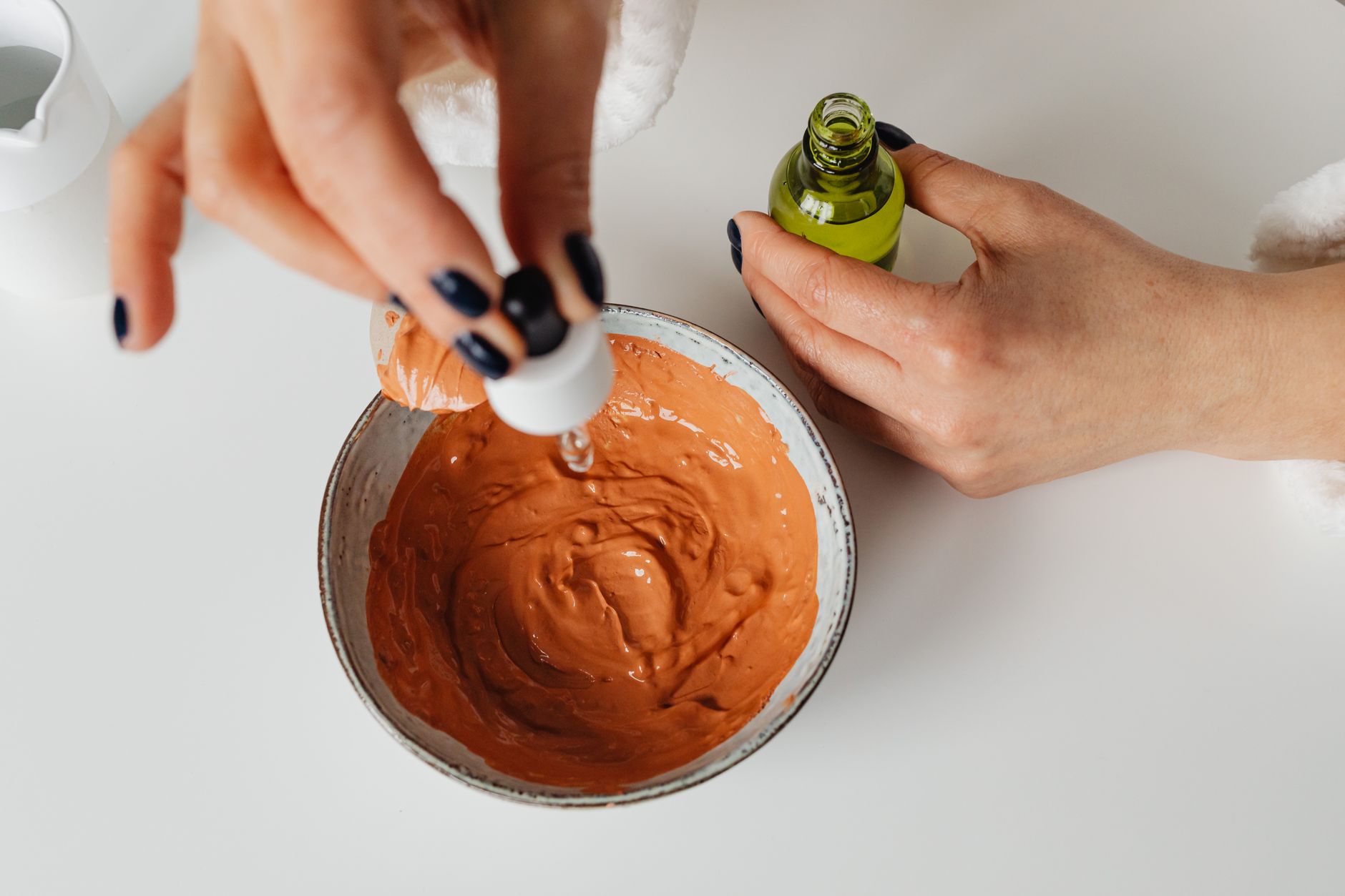
In the quest for radiant, youthful skin, beauty trends constantly evolve. While new serums and potions flood the market, ancient ingredients often hold the most potent secrets. Enter ginseng, a revered root with a legendary past, now making waves in modern skincare, particularly within the K-beauty phenomenon. Have you ever wondered about the buzz surrounding this unique ingredient? Is it just hype, or is there real science behind its touted benefits? Let's explore what makes ginseng a potential powerhouse for your complexion, drawing from both age-old wisdom and contemporary research. We'll uncover how this humble root might just be the missing piece in your skincare puzzle, offering a glimpse into a tradition that spans centuries and continents.
Ginseng is a remarkable root, native to Asia and North America, often noted for its intriguing, lumpy appearance that some say resembles a miniature human form. While it might be gaining traction in Western beauty aisles, its role in Eastern skincare practices is anything but new. Its history in beauty is deeply rooted in legend. Stories abound, like that of Hwang Jini, a famously beautiful woman from the 1500s, said to have relied on ginseng for her captivating looks. This historical reverence has paved the way for its modern resurgence, amplified by the global influence of Korean beauty (K-beauty) brands and influencers who champion its efficacy. As K-beauty continues to dominate the global skincare landscape, ingredients like ginseng are being spotlighted for their tangible effects.
While legends provide a captivating backstory, modern science is increasingly validating ginseng's skin benefits. Research points to several key compounds and effects:
Wrinkles are often the most visible markers of aging. Studies suggest that topical application of ginseng can play a role in mitigating their appearance. A small study involving Korean women experiencing crow's feet wrinkles indicated that products containing Panax ginseng, combined with another fruit extract, helped reduce wrinkle formation and significantly boosted skin moisture. Another review from 2017 hinted that black fermented ginseng possesses anti-wrinkle properties. The root's compounds, known as ginsenosides, are believed to be neuroprotective and may aid in skin regeneration. Furthermore, ginseng is thought to stimulate the skin's natural processes that combat aging.
Our skin naturally loses collagen and elasticity as we age, typically starting in our late 20s and 30s, though the visible effects might not appear for years. Ginseng is believed to counteract this process. Its rich composition, including vitamins like D and B12, is thought to enhance blood circulation and oxygen supply to the skin. This improved circulation is vital because it can stimulate the dermis to produce more collagen, the protein essential for firm, supple skin. A 2020 study suggested that Korean red ginseng could help restore skin elasticity, likely by influencing collagen protein synthesis. Improved blood flow, as indicated by a 2013 study on red Korean ginseng, is a key factor in delivering nutrients that support collagen health.
Uneven skin tone and dark spots can detract from a radiant complexion. Some research indicates ginseng may help in lightening the skin. A 2020 study involving participants who applied fermented black ginseng cream twice daily for eight weeks observed a noticeable lightening effect on their skin. While more research is needed, this suggests that ginseng might help in achieving a more even and luminous skin tone.
Inflammation can exacerbate many skin conditions, leading to redness and irritation. An older study from 2003 proposed that ginseng possesses anti-inflammatory properties. By calming inflammation, ginseng can contribute to a smoother, more comfortable complexion, making it beneficial for sensitive or reactive skin types.
Integrating ginseng into your daily regimen is simpler than you might think. Many K-beauty brands and other skincare lines now feature ginseng extracts in various product formats:
When choosing products, pay attention to the ingredient list. Look for ginseng extract or specific types like Panax ginseng. Jenelle Kim, founder of JBK Wellness Labs, emphasizes that ginseng is one of the most powerful herbal ingredients available. The key is consistency. Just like any skincare ingredient, regular use is essential to see and maintain results.
Ginseng's multifaceted benefits make it suitable for a wide range of skin types and concerns. If you are:
Ginseng could be a valuable addition to your routine. Its potential to boost circulation and collagen production is particularly beneficial as skin ages.
Generally, topical ginseng is considered safe for most individuals. However, as with any new skincare product, it's wise to proceed with caution:
While oral consumption of ginseng can have various effects and interactions, topical application is generally localized and less likely to cause systemic side effects. The focus here is on its application to the skin.
While ginseng is a natural ingredient, it's always best to consult a healthcare professional or dermatologist in certain situations:
Ginseng's journey from ancient remedy to modern skincare staple is well-supported by both historical reverence and emerging scientific evidence. Its potential to reduce wrinkles, enhance elasticity, boost collagen, brighten the complexion, and calm inflammation makes it a compelling ingredient for anyone seeking healthier, more youthful-looking skin. While it's not a magic bullet, consistent use of ginseng-infused products, as part of a balanced skincare routine that includes cleansing, moisturizing, and sun protection, can yield noticeable improvements. Embrace this K-beauty secret and discover the radiant glow that centuries of tradition and modern science have promised.
Visit Hospital
Near You
Locate top renal specialists in Khagaria for expert diagnosis and treatment of kidney diseases. Ensure optimal kidney health.
May 19, 2026
Discover how to find the best surgeon in Munger. Learn key factors to consider for safe and effective surgical treatment.
May 18, 2026
Access reliable home doctor visits in Pune. Get expert medical care, diagnosis, and treatment without leaving your home.
April 26, 2026