

Emergency & Help
24/7 Emergency & General Advisory
🚨 24/7 Medical Emergency
Non-Emergency Advisory
10:00 AM – 6:00 PM, Mon–Sat
For appointments & general queries.
24/7 Emergency & General Advisory
🚨 24/7 Medical Emergency
Non-Emergency Advisory
10:00 AM – 6:00 PM, Mon–Sat
For appointments & general queries.
Discover how much water you should drink daily. Learn about factors influencing hydration needs, signs of dehydration, and practical tips for staying refreshed and healthy.
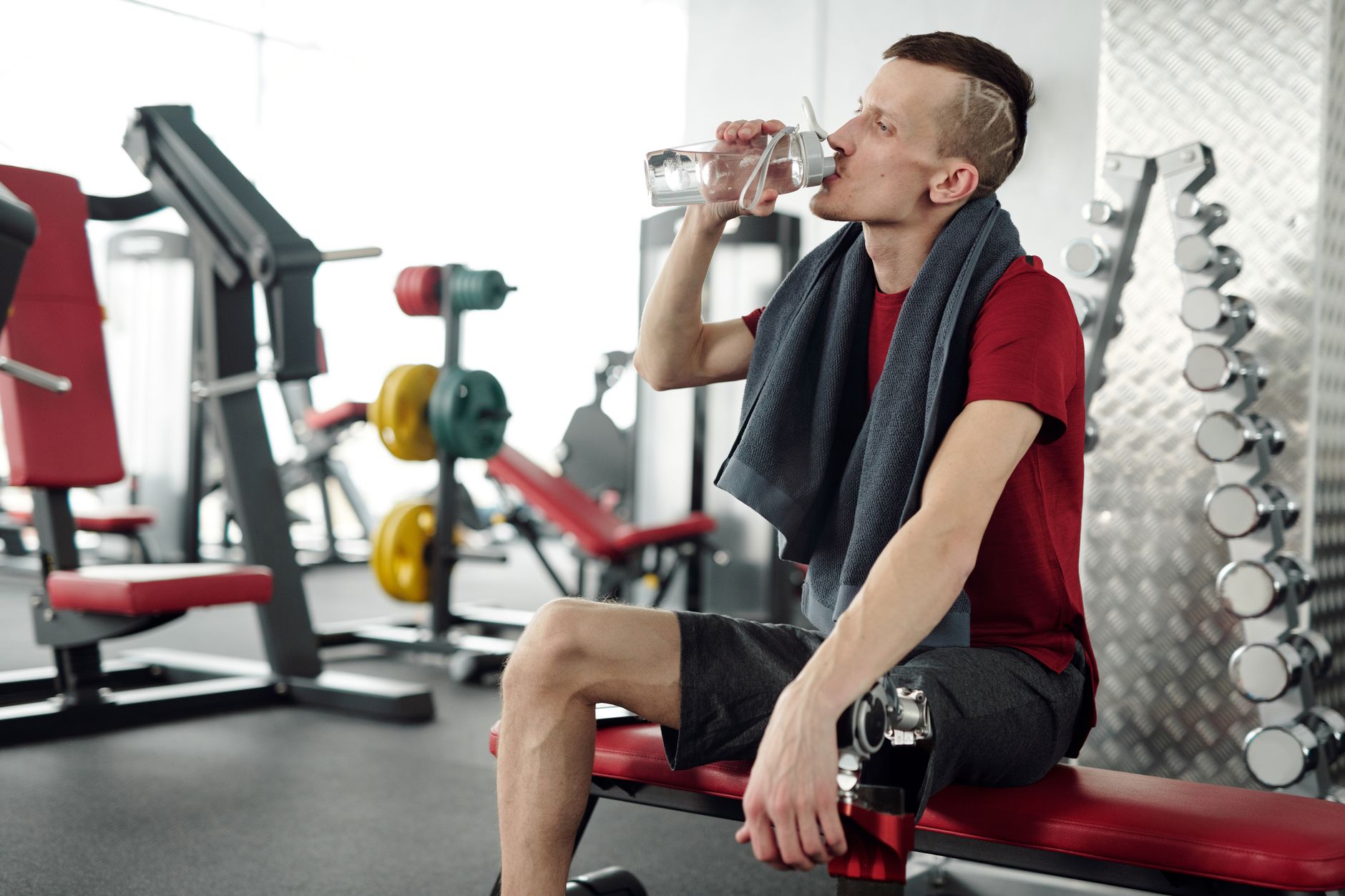
Water is essential for life, playing a crucial role in nearly every bodily function. From regulating body temperature and lubricating joints to transporting nutrients and removing waste, water is indispensable. But how much water do you actually need to drink each day? The answer isn't a simple one-size-fits-all figure, as several factors influence your individual hydration needs. This guide will delve into the recommended daily water intake, exploring the factors that affect it and providing practical tips for staying adequately hydrated.
Our bodies are composed of about 60% water. This vital fluid is involved in:
While there's no single magic number, general guidelines exist. The U.S. National Academies of Sciences, Engineering, and Medicine recommend a daily fluid intake of:
It's important to note that these recommendations refer to total fluid intake, which includes water from all beverages and foods. Approximately 20% of our daily fluid intake usually comes from food, and the rest from drinks.
Your individual water needs can vary significantly based on several factors:
If you exercise or engage in any physical activity that makes you sweat, you need to drink extra water to compensate for the fluid loss. For moderate exercise, drinking an extra 1.5 to 2.5 cups (0.4 to 0.6 liters) of water per day is often recommended. For intense or prolonged exercise, you may need even more.
Hot or humid weather makes you sweat more, requiring increased fluid intake. Living in a high-altitude environment can also increase your hydration needs due to increased respiration and drier air.
Certain health conditions can affect your hydration needs. For example:
Women who are pregnant need to increase their fluid intake to stay hydrated, especially during the third trimester. Breastfeeding mothers require even more water to produce milk. A general recommendation for breastfeeding women is to drink about 13 cups (3.1 liters) of fluids per day.
Being aware of the signs of dehydration is crucial. These can range from mild to severe:
Making hydration a priority is easier with these practical tips:
While most people can manage their hydration needs with simple adjustments, it's important to consult a doctor if you experience:
Staying adequately hydrated is fundamental to maintaining good health and well-being. By understanding your body's needs and incorporating simple hydration habits into your daily routine, you can ensure you're getting the right amount of water to function optimally.
Visit Hospital
Near You
Locate top renal specialists in Khagaria for expert diagnosis and treatment of kidney diseases. Ensure optimal kidney health.
May 19, 2026
Discover how to find the best surgeon in Munger. Learn key factors to consider for safe and effective surgical treatment.
May 18, 2026
Access reliable home doctor visits in Pune. Get expert medical care, diagnosis, and treatment without leaving your home.
April 26, 2026