

Emergency & Help
24/7 Emergency & General Advisory
🚨 24/7 Medical Emergency
Non-Emergency Advisory
10:00 AM – 6:00 PM, Mon–Sat
For appointments & general queries.
24/7 Emergency & General Advisory
🚨 24/7 Medical Emergency
Non-Emergency Advisory
10:00 AM – 6:00 PM, Mon–Sat
For appointments & general queries.
Explore the potential benefits of sea moss for your skin, including hydration, acne reduction, and anti-aging effects. Learn how to use it safely and effectively for a radiant glow.
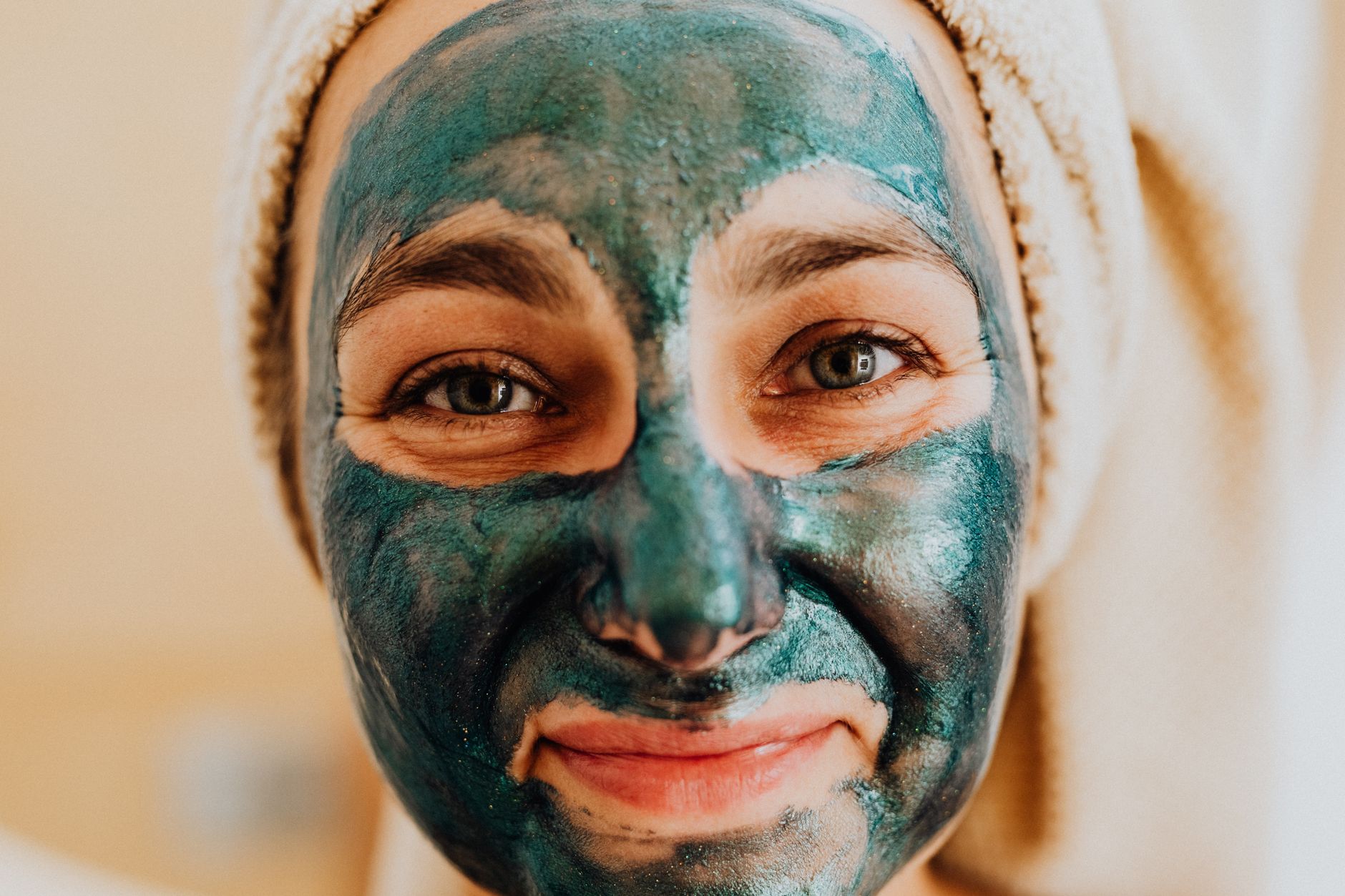
Namaste! Are you on the hunt for that elusive, radiant glow? We all dream of skin that looks healthy, vibrant, and youthful. In India, where we cherish our natural beauty and often turn to age-old traditions for wellness, a new contender from the ocean is making waves: Sea Moss. You might have seen it popping up in smoothies or heard whispers about its incredible properties. But can this humble sea plant truly transform your skin? Let's dive deep and explore the potential of sea moss for your skin, the Indian way. What Exactly is Sea Moss? Sea moss, scientifically known as Chondrus crispus , is a type of red algae. For centuries, communities in places like Ireland and Jamaica have revered it for its healing and health-boosting capabilities. Imagine a spiny sea plant, often red, that people have trusted for generations. It's also known as Irish moss. While it comes in various colours, the red variety is most common. You might even find its extract, carrageenan, as a thickening agent in everyday foods like ice cream and cottage cheese. But its real magic, many believe, lies in its potential for our skin. Dr. Paul Jarrod Frank, a cosmetic dermatologist, notes the growing online buzz around sea moss, not just for consumption but increasingly for topical skincare. “Many are starting to incorporate it into their skin care routine,” he says. Why the sudden interest? It's all thanks to its rich vitamin and mineral profile. The Skin-Loving Nutrients in Sea Moss Sea moss is a powerhouse of goodness. Its impressive nutrient density is what fuels its purported skin benefits. Let's break down some of the key players: Vitamins: It boasts vitamins like A and K, essential for skin repair and protection. Minerals: Packed with minerals such as potassium and sulfur, it offers a multitude of benefits. Antioxidants: Like many sea plants, sea moss contains antioxidants that fight off damage from environmental stressors. Iodine: This mineral is vital for healthy thyroid function, which can indirectly impact skin health. Prebiotics: These good bacteria-loving compounds can improve gut health, and a happy gut often reflects on happy skin! The unique combination of these elements is what makes sea moss so intriguing for skincare enthusiasts. Potential Benefits of Sea Moss for Your Skin So, how does this oceanic treasure translate to tangible skin improvements? Here’s what the science and anecdotal evidence suggest: 1. Deep Hydration and Moisture Lock One of the most celebrated benefits is sea moss's ability to hydrate the skin. Dr. Frank suggests, “It is suspected to help maintain and lock in moisture.” In India's diverse climate, from the humid coasts to the dry interiors, maintaining skin hydration is a constant challenge. Sea moss, with its gel-like consistency, can act as a natural humectant, drawing moisture to the skin and keeping it there. This helps combat dryness, flakiness, and that tight feeling after washing your face. 2. Antimicrobial Properties for Clearer Skin Acne, pimples, and breakouts are common concerns. Dr. Erum Ilyas, a board-certified dermatologist, highlights sea moss's sulfur content. “Its sulfur content gives it antimicrobial properties which can assist with balancing the skin’s bioflora,” she explains. This means it can help fight off the bacteria that contribute to acne. Its potential to help with conditions like seborrheic dermatitis and rosacea is also being explored. For those struggling with oily or acne-prone skin, this could be a game-changer. 3. Soothing Inflammation and Redness Many people find sea moss calming for irritated skin. Its mineral composition, particularly sulfur, can possess anti-inflammatory properties. This can help reduce redness and soothe conditions like eczema or general skin sensitivity. If your skin often feels hot or irritated, a sea moss mask might offer a cooling, calming effect. 4. Anti-Aging Effects Who doesn’t want to turn back the clock? Sea moss contains Vitamin A, which is known for its anti-aging capabilities. While research is still emerging, the nutrients present in sea moss can contribute to skin elasticity and potentially reduce the appearance of fine lines and wrinkles. Antioxidants also play a role by fighting free radical damage, a major contributor to premature aging. 5. Protecting Against Environmental Stressors Our skin battles pollution, UV rays, and other environmental aggressors daily, especially in bustling Indian cities. Sea moss, with its vitamins (like K) and minerals, may help bolster the skin's natural defense mechanisms. It can act as a protective shield, helping your skin better withstand these daily challenges. Sea Moss for Overall Health: Beyond the Skin While we're focusing on skin, it's worth noting that sea moss's benefits extend to your overall well-being. These can indirectly support healthier skin: Immune System Boost: Some studies suggest extracts can enhance immune function. Thyroid Support: Its iodine content is crucial for a healthy thyroid, regulating metabolism and energy levels. Gut Health: The prebiotic fibres can promote a healthier gut microbiome, which is increasingly linked to clearer skin. Heart Health: Preliminary research indicates it might help lower LDL (bad) cholesterol. Remember, these broader health benefits contribute to a holistic approach to wellness, reflecting positively on your skin. How to Incorporate Sea Moss into Your Skincare Routine Ready to try sea moss? Here’s how you can safely and effectively integrate it: 1. Look for Reputable Products Sea moss typically comes in a gel form, but you'll find it in various skincare products like serums, mists, masks, and moisturizers. Dr. Ilyas strongly advises against using raw sea moss directly from the ocean. “I would not suggest grabbing this from the ocean and rubbing [it] on your face,” she warns. Always opt for commercially prepared skincare products that contain sea moss extract, ensuring they are formulated for safe topical use. 2. Choose the Right Product Type For Hydration & Anti-Aging: Creams and serums containing sea moss are excellent choices. For Acne & Inflammation: Masks and exfoliators can target specific concerns more directly. 3. Be Patient Like any skincare ingredient, consistency is key. It can take several weeks of regular use to notice significant changes, especially when addressing issues like acne or fine lines. Stick with it! 4. DIY Cautions While the idea of making your own sea moss gel or mask might seem appealing, proceed with extreme caution. If you choose to experiment, ensure you are using ethically sourced, clean sea moss and follow reputable recipes. Improper preparation can lead to contamination or ineffective products. It’s generally safer to rely on professionally formulated skincare. Are There Any Risks or Side Effects? While sea moss is generally considered safe, especially in topical applications from reputable brands, there are a few points to keep in mind: Allergies: Although rare, some individuals might be allergic to algae or seaweed. Perform a patch test before applying widely. Heavy Metals: Sea moss can absorb heavy metals from the water it grows in. Sourcing from clean, regulated environments is paramount. This is another reason to trust commercial products that undergo quality checks. Iodine Overload: If consuming sea moss supplements or large quantities of the gel, excessive iodine intake can be a concern, particularly for those with thyroid conditions. Always consult your doctor before ingesting sea moss. Limited Research: As Dr. Frank pointed out, “research is still quite limited.” Most benefits are based on the known properties of its individual nutrients or anecdotal evidence. When to Consult a Doctor While sea moss is generally safe for topical use when sourced correctly, it's always wise to consult a healthcare professional, especially a dermatologist, under these circumstances: If you have a pre-existing skin condition (like severe acne, eczema, or rosacea) and want to try sea moss. If you experience any adverse reaction after using a sea moss product. If you are considering ingesting sea moss, particularly if you have thyroid issues or are pregnant/breastfeeding. If you have allergies to seafood or algae. A dermatologist can help you understand if sea moss is suitable for your specific skin type and concerns and guide you on the best products and methods. Frequently Asked Questions (FAQ) Q1: Can I apply raw sea moss directly to my face? No, it is strongly advised not to apply raw sea moss directly from the ocean. Use professionally formulated skincare products containing sea moss extract for safety and efficacy. Q2: How long does it take to see results from sea moss skincare? It typically takes several weeks of consistent use to notice improvements in skin hydration, clarity, or texture. Q3: Is sea moss good for all skin types? Sea moss has properties that can benefit most skin types, particularly dry, acne-prone, or sensitive skin. However, always perform a patch test and consult a dermatologist if you have concerns. Q4: Can sea moss help with hyperpigmentation? While sea moss contains vitamins and antioxidants that support overall skin health and repair, it's not primarily known as a direct treatment for hyperpigmentation. However, healthier, well-hydrated skin may appear more even-toned. Q5: Where can I buy sea moss products in India? You can find sea moss skincare products online through major e-commerce platforms and specialized beauty or wellness
In summary, timely diagnosis, evidence-based treatment, and prevention-focused care improve long-term health outcomes.
Visit Hospital
Near You
Locate top renal specialists in Khagaria for expert diagnosis and treatment of kidney diseases. Ensure optimal kidney health.
May 19, 2026
Discover how to find the best surgeon in Munger. Learn key factors to consider for safe and effective surgical treatment.
May 18, 2026
Access reliable home doctor visits in Pune. Get expert medical care, diagnosis, and treatment without leaving your home.
April 26, 2026