

Emergency & Help
24/7 Emergency & General Advisory
🚨 24/7 Medical Emergency
Non-Emergency Advisory
10:00 AM – 6:00 PM, Mon–Sat
For appointments & general queries.
24/7 Emergency & General Advisory
🚨 24/7 Medical Emergency
Non-Emergency Advisory
10:00 AM – 6:00 PM, Mon–Sat
For appointments & general queries.
Learn the correct way to dispose of used tampons to prevent plumbing clogs, protect your home, and safeguard the environment. Discover what else shouldn't be flushed and simple disposal tips.
Managing your menstrual hygiene is a personal matter, and when it comes to tampons, there's a common question that pops up: "Can I flush them down the toilet?" It might seem like a quick and easy way to get rid of them, but the answer is a resounding no. Flushing tampons can lead to a cascade of problems, from clogged pipes in your home to serious environmental issues. Let's break down why this seemingly simple act can cause so much trouble and explore the correct, safe, and responsible ways to dispose of used tampons.
Tampons are designed to be highly absorbent. This is their primary function – to soak up menstrual fluid. However, this very absorbency makes them problematic when introduced into plumbing systems. Unlike toilet paper, which is specifically manufactured to disintegrate quickly in water, tampons are made from materials that do not break down easily. When you flush a tampon, it can:
These blockages aren't just an inconvenience; they can lead to serious and costly issues. In your home, a severe clog can cause sewage to back up into toilets, sinks, and showers. This is not only unpleasant but also a significant health hazard, as it introduces waste into your living space. The New York City Department of Environmental Protection (DEP) estimates that millions of dollars are spent annually to clear clogged sewers and repair damaged machinery. For homeowners, plumbing repairs due to blockages can easily exceed $10,000.
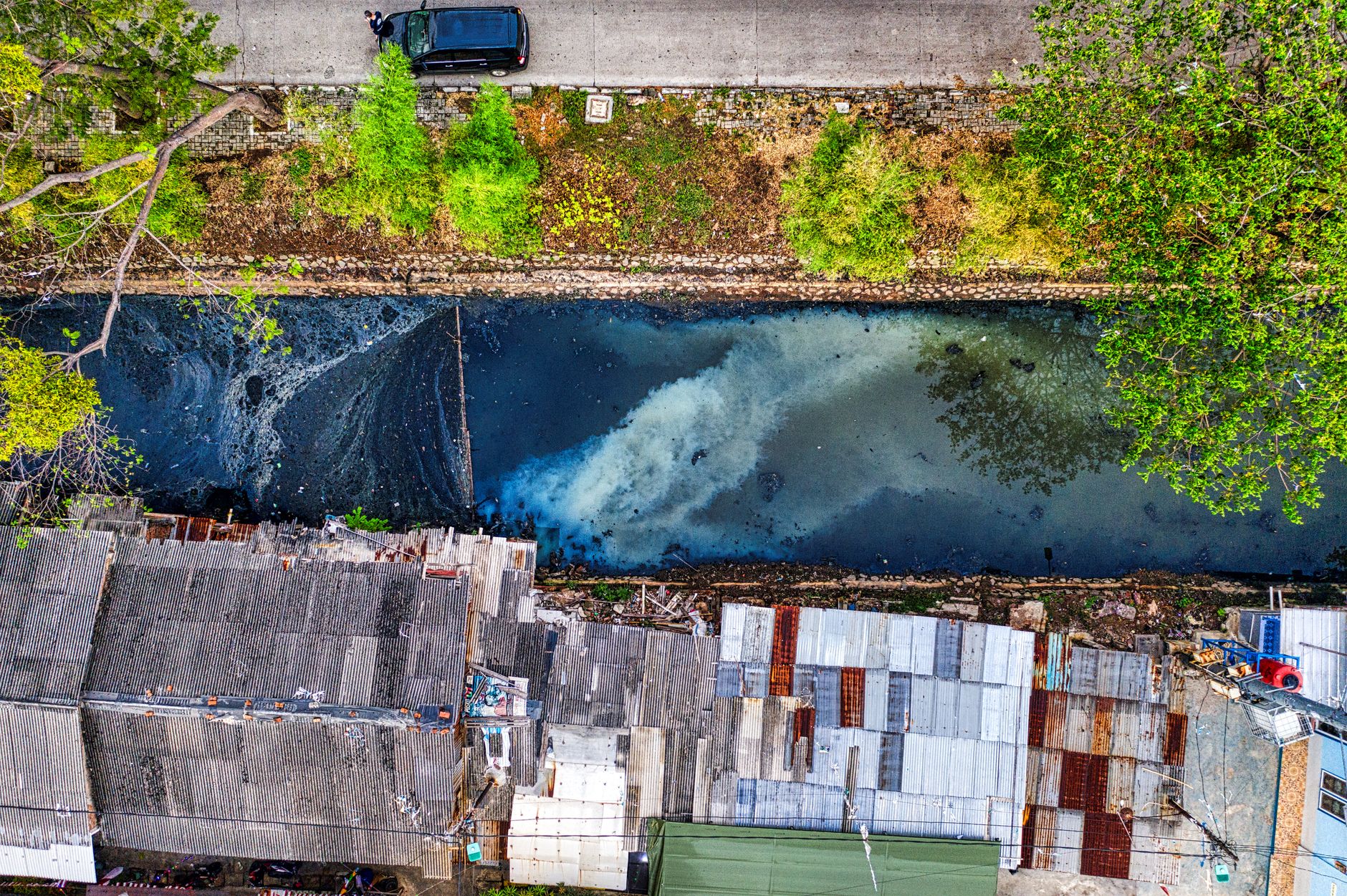
Beyond your home, flushed tampons can contribute to problems in the municipal sewer system. When these products reach the city's infrastructure, they can exacerbate existing clogs, potentially leading to sewage overflows into streets, basements, and even local waterways. This pollution harms aquatic ecosystems and can pose risks to public health.
So, if flushing is out of the question, what should you do? The good news is that proper disposal is straightforward and accessible for most people.
The most common and recommended method for disposing of used tampons at home is:
Some women also prefer to use small disposal bags specifically designed for menstrual products. These bags offer an extra layer of containment and discretion before placing the product in the trash.
In workplaces and public restrooms, the principles remain the same, but the facilities might differ. The Occupational Safety and Health Administration (OSHA) provides guidelines for handling menstrual waste in professional settings. The expectation is that used tampons are discarded into lined waste containers. This ensures that the container itself doesn't come into direct contact with the waste, maintaining hygiene standards.
Look for a sanitary bin, often provided in stall or near the sinks. If one isn't available, use the regular trash bin, ensuring you've wrapped the tampon as described above.
The 'flushable' myth extends beyond tampons. Many items that people mistakenly believe can be flushed will cause similar plumbing problems. It's vital to remember that the only things that should go down your toilet are:
Here's a list of common household items that should never be flushed:
Most people do not notice early warning signs right away. That is common. A simple symptom diary, basic routine checks, and timely follow-up visits can prevent small problems from becoming serious.
If you are already on treatment, stay consistent with medicines and lifestyle advice. If your symptoms change, do not guess. Check with a qualified doctor and update your plan early.
Write down symptoms, triggers, and timing for a few days.
Carry old prescriptions and test reports to your consultation.
Ask clearly about side effects, red-flag signs, and follow-up dates.
Seek urgent care for severe pain, breathing trouble, bleeding, fainting, or sudden worsening.
Visit Hospital
Near You
Locate top renal specialists in Khagaria for expert diagnosis and treatment of kidney diseases. Ensure optimal kidney health.
May 19, 2026
Discover how to find the best surgeon in Munger. Learn key factors to consider for safe and effective surgical treatment.
May 18, 2026
Access reliable home doctor visits in Pune. Get expert medical care, diagnosis, and treatment without leaving your home.
April 26, 2026