

Emergency & Help
24/7 Emergency & General Advisory
🚨 24/7 Medical Emergency
Non-Emergency Advisory
10:00 AM – 6:00 PM, Mon–Sat
For appointments & general queries.
24/7 Emergency & General Advisory
🚨 24/7 Medical Emergency
Non-Emergency Advisory
10:00 AM – 6:00 PM, Mon–Sat
For appointments & general queries.
The carbohydrate debate is more nuanced than "eat less carbs." The quality of carbohydrates — their fibre content, processing level, and glycaemic impact — matters far more than their mere presence in your diet. Here's the science behind the distinction.
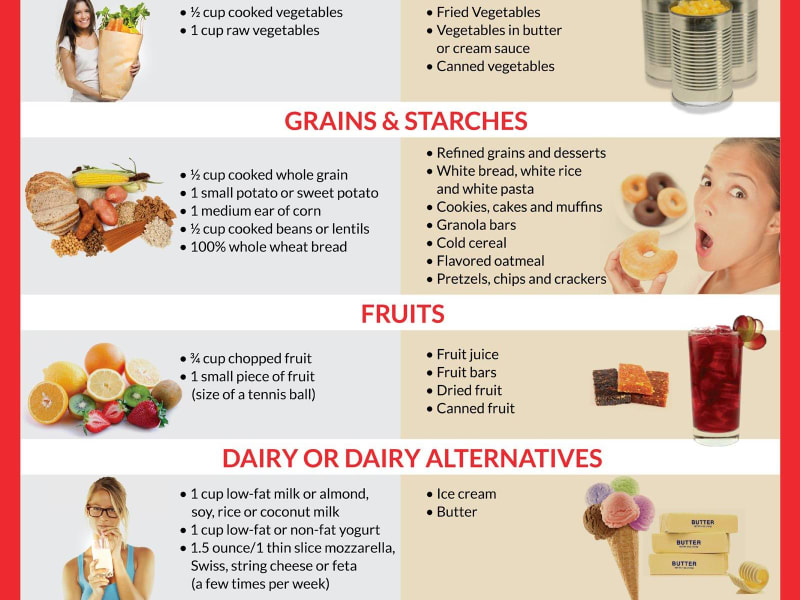
Not all carbohydrates are equal. Understand the science behind good carbs vs. bad carbs to make smarter food choices for energy, blood sugar, and weight.
Carbohydrates have been alternatively celebrated as the body's preferred fuel and condemned as the primary driver of obesity and metabolic disease. Both positions miss the point. The meaningful distinction isn't between carbohydrates and no carbohydrates — it's between good carbs and bad carbs, a differentiation rooted in food structure, fibre content, and metabolic impact rather than in simple macronutrient classification.
The most reliable markers of carbohydrate quality are fibre content, degree of processing, and glycaemic response. Good carbohydrates share these characteristics:
They contain significant amounts of dietary fibre — both soluble (which slows digestion and lowers LDL cholesterol) and insoluble (which supports bowel motility and gut microbiome diversity)
They are minimally processed, meaning their cellular structure remains largely intact
They produce a relatively moderate rise in blood glucose (low-to-moderate glycaemic index/load)
They arrive packaged with micronutrients, polyphenols, and other bioactive compounds
Examples of quality carbohydrates include: oats, legumes (lentils, chickpeas, black beans), whole fruit, root vegetables (sweet potato, beetroot, parsnip), quinoa, barley, and whole grain rye bread. These foods support sustained energy, gut health, and satiety.
Poor-quality carbohydrates are characterised by industrial processing that removes or destroys fibre, strips micronutrients, and optimises for rapid digestion and palatability. They produce sharp blood glucose spikes, followed by reactive insulin release and subsequent energy crashes. Over time, repeated high-glycaemic feeding contributes to insulin resistance, fatty liver, dyslipidaemia, and increased appetite regulation failure. The worst offenders:
White bread, white rice, and refined pasta
Sugary breakfast cereals (even those marketed as healthy)
Pastries, biscuits, crackers made with white flour
Sugary beverages (the worst glycaemic offenders because they lack any fibre)
Sweets, confectionery, and most packaged snack foods
Critically, "whole grain" labelling does not automatically confer quality. Many products labelled as whole grain contain primarily refined flour with a small percentage of whole grain added. Check ingredient lists: the first ingredient should be a whole grain.
The glycaemic index (GI) measures how quickly a specific food raises blood glucose compared to pure glucose. It's a useful guide but has limitations: it doesn't account for portion size (glycaemic load is more accurate), food combinations (adding fat or protein to a high-GI food substantially lowers the overall glycaemic response), or individual variation in glucose response. Continuous glucose monitoring research has shown that two people eating identical meals can have dramatically different blood sugar profiles — reinforcing the importance of observing personal response rather than relying solely on GI tables.
Good carbs and bad carbs exist on a spectrum defined by structure, fibre, and metabolic impact — not by the word "carbohydrate" alone. Prioritise whole, minimally processed carbohydrate sources, pair all carbs with protein and fat to blunt glycaemic response, and resist the binary thinking that all carbs are either good or bad. Your goal is carbohydrate quality, not elimination.
1. Are all carbs bad?
No. Whole, high-fibre carbs are healthy; refined carbs are not.
2. How to identify good carbs?
Look for high fibre, minimal processing, and whole-food ingredients.
3. Is GI enough to judge carbs?
No. Combine GI with portion size and food pairing for accuracy.
Author : Doctar Team
Disclaimer : For more information contact Doctar Team
Visit Hospital
Near You
Locate top renal specialists in Khagaria for expert diagnosis and treatment of kidney diseases. Ensure optimal kidney health.
May 19, 2026
Discover how to find the best surgeon in Munger. Learn key factors to consider for safe and effective surgical treatment.
May 18, 2026
Access reliable home doctor visits in Pune. Get expert medical care, diagnosis, and treatment without leaving your home.
April 26, 2026