

Emergency & Help
24/7 Emergency & General Advisory
🚨 24/7 Medical Emergency
Non-Emergency Advisory
10:00 AM – 6:00 PM, Mon–Sat
For appointments & general queries.
24/7 Emergency & General Advisory
🚨 24/7 Medical Emergency
Non-Emergency Advisory
10:00 AM – 6:00 PM, Mon–Sat
For appointments & general queries.
Discover your hair's porosity level and learn how to tailor your haircare routine for optimal moisture absorption and retention. Simple tests and expert tips for healthier, happier hair.
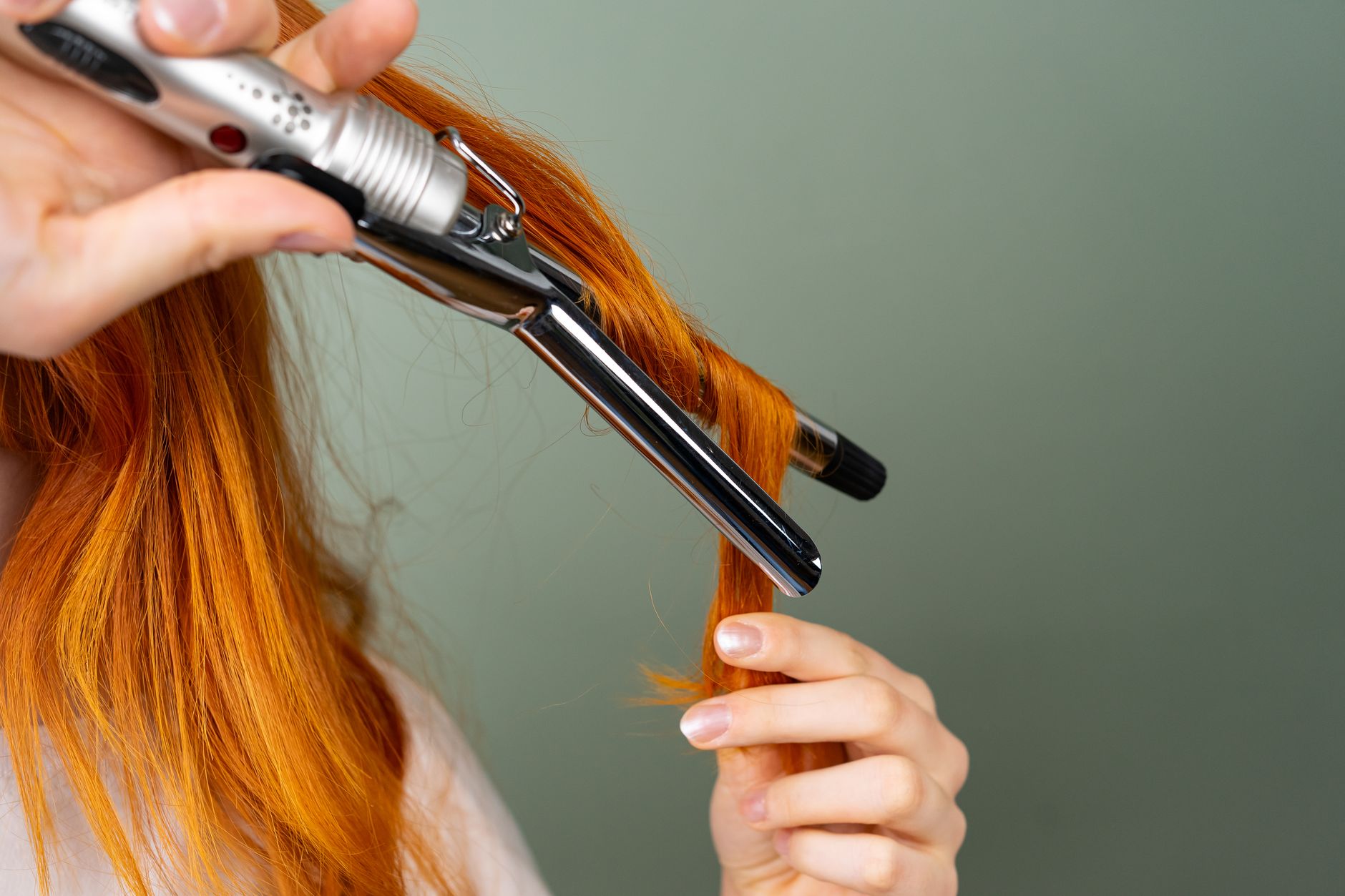
Ever wondered why some hair products work wonders for your friend but leave your hair feeling heavy or still dry? The secret might lie in your hair's porosity. It’s a key factor in how your hair absorbs and retains moisture, ultimately impacting its health and appearance. Let's dive into what hair porosity is, how to figure out your hair type, and what that means for your haircare routine.
Think of your hair's outer layer, the cuticle. This is like a protective shield, made up of overlapping scales, similar to shingles on a roof. Hair porosity refers to your hair's ability to absorb and retain moisture. It's all about how easily liquids (like water and product conditioners) can get in and how well they can stay in. The way these cuticle scales lie flat or are raised directly influences this process.
Your hair shaft has three main layers:
For healthy, hydrated hair, moisture needs to penetrate the cuticle to reach the cortex. If the cuticles are too tightly packed, it’s tough for moisture to get in. If they're too far apart, moisture escapes easily, leaving your hair dry and prone to damage.
Your hair's porosity is largely determined by genetics. If your parents have a certain hair porosity, you're likely to inherit it. However, external factors play a significant role too. Things like:
can damage your hair over time. This damage can cause your cuticles to lift or become more spaced out, increasing your hair's porosity and making it harder to retain moisture. Protecting your hair from the sun with a hat is a simple yet effective step.
Figuring out your hair porosity doesn't require a salon visit. You can do a simple test at home. Here’s a popular method:
What the results mean:
Another way to gauge your hair's feel:
With low porosity hair, your cuticles are packed tightly together. This makes it challenging for moisture and oils to penetrate the hair shaft.
Characteristics you might notice:
Caring for Low Porosity Hair:
Medium porosity hair has cuticles that are neither too tightly closed nor too open. This is often considered the ideal porosity level. Moisture can penetrate the hair shaft relatively easily, and the hair can also retain that moisture effectively.
Characteristics you might notice:
Caring for Medium Porosity Hair:
High porosity hair has cuticles that are widely spaced or have gaps. This allows moisture and oils to enter the hair shaft very quickly, but also makes it difficult for the hair to retain that moisture. It can lead to dry, frizzy, and tangling-prone hair.
Characteristics you might notice:
Caring for High Porosity Hair:
While understanding hair porosity is great for your haircare routine, persistent issues like extreme dryness, breakage, or scalp problems should prompt a visit to a healthcare professional. A dermatologist or a trichologist (a specialist in hair and scalp health) can diagnose underlying conditions such as scalp infections, nutritional deficiencies, or hormonal imbalances that might be affecting your hair's health and texture. They can offer personalized advice and medical treatments if needed.
Yes, hair porosity can change over time, especially due to chemical treatments, heat styling, and environmental damage. However, your natural, genetic porosity is the baseline.
Coloring and bleaching processes often lift the hair cuticle, which can increase porosity, making color-treated hair tend towards higher porosity. Proper post-coloring care is essential.
For low porosity, focus on lightweight hydration and perhaps less frequent deep conditioning with heat. Medium porosity benefits from regular conditioning. High porosity hair often needs more frequent deep conditioning treatments, possibly with heavier products or protein-rich formulas, to retain moisture.
Visit Hospital
Near You
Locate top renal specialists in Khagaria for expert diagnosis and treatment of kidney diseases. Ensure optimal kidney health.
May 19, 2026
Discover how to find the best surgeon in Munger. Learn key factors to consider for safe and effective surgical treatment.
May 18, 2026
Access reliable home doctor visits in Pune. Get expert medical care, diagnosis, and treatment without leaving your home.
April 26, 2026