

Emergency & Help
24/7 Emergency & General Advisory
🚨 24/7 Medical Emergency
Non-Emergency Advisory
10:00 AM – 6:00 PM, Mon–Sat
For appointments & general queries.
24/7 Emergency & General Advisory
🚨 24/7 Medical Emergency
Non-Emergency Advisory
10:00 AM – 6:00 PM, Mon–Sat
For appointments & general queries.
Discover the secrets to perfectly moisturized skin! Learn how to choose the right moisturizer for Indian skin types, master application techniques, and unlock a radiant complexion.
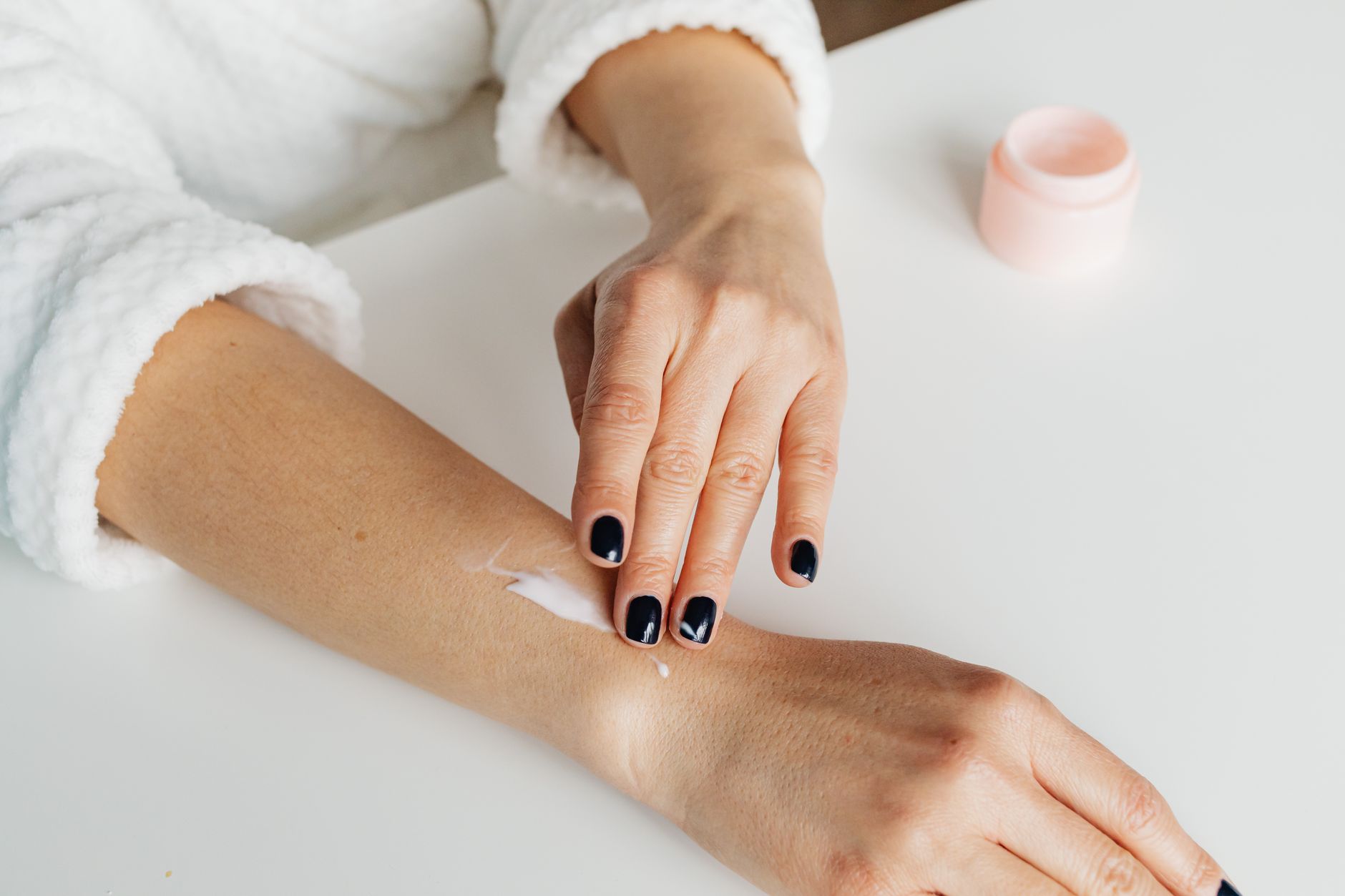
Hey there! Let's talk about something super important for that gorgeous glow: moisturizing your face. It sounds simple, right? Just slather on some cream and you're done. But oh, there's so much more to it! Think of your skin as a thirsty plant. It needs water to thrive. Your face, exposed to pollution, stress, and the harsh Indian sun, definitely needs that hydration boost. We're talking about keeping it soft, supple, and looking its absolute best. From ancient queens like Cleopatra, who reportedly bathed in milk, to us today, moisturizers have been a beauty staple for centuries. And for good reason! They don't just make your skin feel good; they actually work wonders. They boost the water content in your skin's outermost layer, banishing dryness and making it feel comfortable. Plus, who doesn't want to fight those pesky signs of aging and look healthier? But with a gazillion options flooding the market, it’s easy to get lost. Which one is right for you? How do you even apply it? Relax, we've got you covered. This guide is your passport to dewy, healthy-looking skin, tailored for our Indian climate and skin types.
Moisturizers are more than just fancy creams; they're skin saviours! When you cleanse your face, you strip away dirt and oil, yes, but you also wash away some of your skin's natural moisture. This can leave it feeling tight, dry, and vulnerable. Enter the moisturizer! It's like a protective shield and a hydration hero all rolled into one.
Here's the lowdown on what moisturizers do:
India's diverse climate means your moisturizer needs can change! From the humid monsoons to the dry winters, your skin's needs fluctuate. Here’s how to pick a winner:
Applying moisturizer isn't rocket science, but a few smart techniques can make a world of difference. Timing and technique are key!
For a visual guide, check out these helpful videos:
Your skin works overtime while you sleep, repairing and regenerating. A good night cream or overnight mask can supercharge this process. These are typically richer and packed with ingredients that target concerns like dryness, dullness, or signs of aging.
Dr. Ellen Marmur, a dermatologist, prefers multitasking products. Her MMRepose (a night serum moisturizer) combines rich humectants with microbiome, antioxidant, and peptide ingredients. Smart multitasking!
The Power of Sleep: Remember, good sleep isn't just good for your mind; it's fantastic for your skin! Prioritizing rest helps your skin naturally moisturize and repair itself. Some research even suggests that red LED light therapy, which can release dopamine and promote relaxation, might aid in better sleep and potentially skin health.
While moisturizing is a daily practice, sometimes your skin needs professional attention. Don't hesitate to seek expert advice if you experience:
A dermatologist can help identify underlying issues and recommend personalized treatment plans and products tailored to your unique skin needs, especially considering the Indian environment.
Generally, it's best to use a separate moisturizer for your face. Facial skin is often more delicate and prone to issues like acne, requiring specialized formulations. Body lotions can be too heavy or contain ingredients that might irritate facial skin.
For most skin types, exfoliating 1-3 times a week is sufficient. Over-exfoliation can damage your skin barrier. Listen to your skin; if it feels sensitive or irritated, reduce the frequency.
Not necessarily. If you have oily or acne-prone skin, choosing an oil-free, non-comedogenic (won't clog pores) moisturizer is essential. Some ingredients can actually help manage acne.
Stinging can indicate irritation or that your skin barrier is compromised. It might be a sign that the product contains ingredients your skin doesn't tolerate well, or that your skin is very dry or sensitive. Consider a gentler, fragrance-free formula.
Even in humid weather, your skin can lose moisture. You might just need a lighter, gel-based moisturizer rather than skipping it altogether. Cleansing can still strip moisture.
Visit Hospital
Near You
Locate top renal specialists in Khagaria for expert diagnosis and treatment of kidney diseases. Ensure optimal kidney health.
May 19, 2026
Discover how to find the best surgeon in Munger. Learn key factors to consider for safe and effective surgical treatment.
May 18, 2026
Access reliable home doctor visits in Pune. Get expert medical care, diagnosis, and treatment without leaving your home.
April 26, 2026