

Emergency & Help
24/7 Emergency & General Advisory
🚨 24/7 Medical Emergency
Non-Emergency Advisory
10:00 AM – 6:00 PM, Mon–Sat
For appointments & general queries.
24/7 Emergency & General Advisory
🚨 24/7 Medical Emergency
Non-Emergency Advisory
10:00 AM – 6:00 PM, Mon–Sat
For appointments & general queries.
Exploring the complex link between vaping and weight loss. Learn what research says about nicotine, CBD, and non-nicotine vapes, and why safer alternatives are recommended.
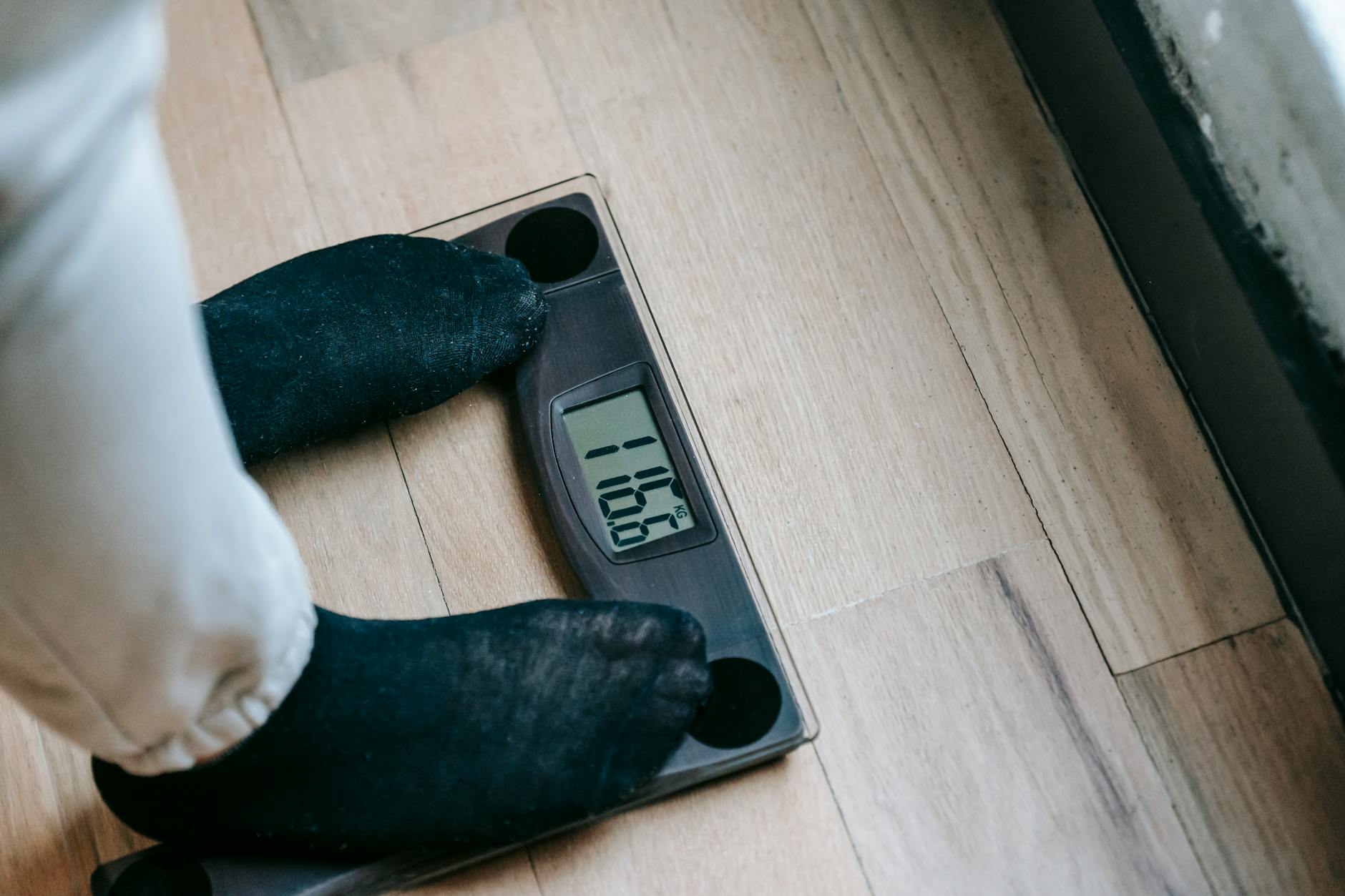
In recent years, vaping has become a widespread phenomenon, often discussed in various contexts, including its potential impact on weight. Many individuals, particularly those looking to manage their weight, might wonder if vaping can be a viable tool for weight loss. However, the relationship between vaping and weight is complex and not as straightforward as it might seem. This article delves into the current research, exploring what we know about how vaping might affect appetite, metabolism, and overall body weight, while also highlighting the significant health risks associated with vaping. We aim to provide a clear, practical understanding for Indian readers, separating the myths from the facts.
It's a well-established fact that smoking cigarettes has often been linked to lower body weight and that quitting smoking can lead to weight gain. This phenomenon is largely attributed to nicotine, the addictive stimulant found in tobacco products and many e-liquids. A 2021 research review suggests that nicotine can indeed help manage weight by reducing appetite and food intake. It's believed to achieve this by affecting the release or activity of certain neuropeptides in the brain, such as neuropeptide Y (NPY) and pro-opiomelanocortin (POMC). These neuropeptides play a crucial role in regulating hunger and satiety (the feeling of fullness).
The decline in smoking rates has coincided with a surge in obesity rates in some parts of the world, with some research suggesting a potential increase in the United States. This has led to speculation about whether vaping, especially with nicotine, might have a similar effect on weight management as traditional cigarettes. Some studies have explored this, with findings indicating that nicotine can indeed curb appetite for some individuals, potentially leading to a reduction in calorie intake and, consequently, weight loss.
The scientific community has been investigating the impact of vaping on body weight, and the results are varied and often nuanced. A 2022 review that examined the specific impact of e-cigarette use on body weight found differing results across various types of studies, including in vitro (laboratory), human, and animal studies. Some research suggests that vaping can aid in weight management or assist in managing weight gain that might occur after quitting smoking.
For instance, a 2016 study found that among adult e-cigarette users who were aiming to manage their weight, a notable percentage (13.5%) reported using e-cigarettes for this very purpose. This indicates a perceived benefit among some users.
However, the picture is not entirely clear. Some in vitro studies have found no significant association between e-cigarette use and changes in body weight. Human studies, in particular, have demonstrated mixed results regarding weight management behaviors and e-cigarette usage. A 2018 study that looked at the relationship between weight concerns and smoking habits among college students found a strong connection between worrying about weight and smoking cigarettes, influencing how often and how likely students were to smoke. When it came to e-cigarettes, weight worries were primarily linked to increased frequency of use among current users, rather than initiating use or contemplating it.
Furthermore, the findings from studies involving individuals who vape for weight management often reveal other characteristics. These individuals tended to vape more frequently, might have experienced overweight issues, practiced calorie restriction, struggled with impulse control, and showed a preference for certain flavors like coffee or vanilla.
It's important to remember that not all vaping products contain nicotine. Many e-liquids are available in nicotine-free formulations, and some contain substances like cannabis or CBD (cannabidiol). While cannabis is known for its potential to increase appetite, research specifically on how vaping cannabis affects weight is still limited.
Regarding CBD, a 2022 review that analyzed 11 trials investigated the impact of vaping CBD on weight. The majority of these trials reported that CBD led to a reduction in appetite or body weight. However, it's crucial to note that some studies found no significant changes, and one even reported an increase in appetite. This highlights the variability in individual responses and the need for more extensive research.
Moreover, it's possible that any perceived weight-management mechanisms associated with vaping might extend beyond the direct effects of nicotine. Factors such as the taste of the e-liquid, the physical sensation of vaping (mouthfeel), and the behavioral aspect of substituting one habit for another could potentially play a role, regardless of whether the vape contains nicotine.
Despite some studies suggesting that nicotine in vaping might suppress appetite and influence weight, the evidence remains limited and inconclusive. It is not currently considered a reliable or recommended method for weight loss. The potential health risks associated with vaping are significant and cannot be overlooked.
Health Risks of Vaping:
Given these substantial health risks, the potential and uncertain weight management effects of vaping do not outweigh the dangers. Relying on vaping for weight loss is not advisable and could lead to serious health consequences.
If you are looking to lose weight or manage your weight effectively and safely, there are numerous evidence-based strategies that are far more beneficial and pose no health risks. These approaches focus on sustainable lifestyle changes:
It is always advisable to consult a healthcare professional before making significant changes to your diet, exercise routine, or if you are considering any methods for weight loss. A doctor or a qualified health expert can:
Do not consider vaping as a weight loss solution. The potential harms far outweigh any speculative benefits. Focus on adopting healthy, sustainable lifestyle changes under the guidance of healthcare professionals for long-term health and well-being.
Visit Hospital
Near You
Locate top renal specialists in Khagaria for expert diagnosis and treatment of kidney diseases. Ensure optimal kidney health.
May 19, 2026
Discover how to find the best surgeon in Munger. Learn key factors to consider for safe and effective surgical treatment.
May 18, 2026
Access reliable home doctor visits in Pune. Get expert medical care, diagnosis, and treatment without leaving your home.
April 26, 2026