

Emergency & Help
24/7 Emergency & General Advisory
🚨 24/7 Medical Emergency
Non-Emergency Advisory
10:00 AM – 6:00 PM, Mon–Sat
For appointments & general queries.
24/7 Emergency & General Advisory
🚨 24/7 Medical Emergency
Non-Emergency Advisory
10:00 AM – 6:00 PM, Mon–Sat
For appointments & general queries.
Discover the role of melatonin in regulating sleep, explore its benefits as a supplement, learn how to choose the right product, and get tips for safe and effective use.
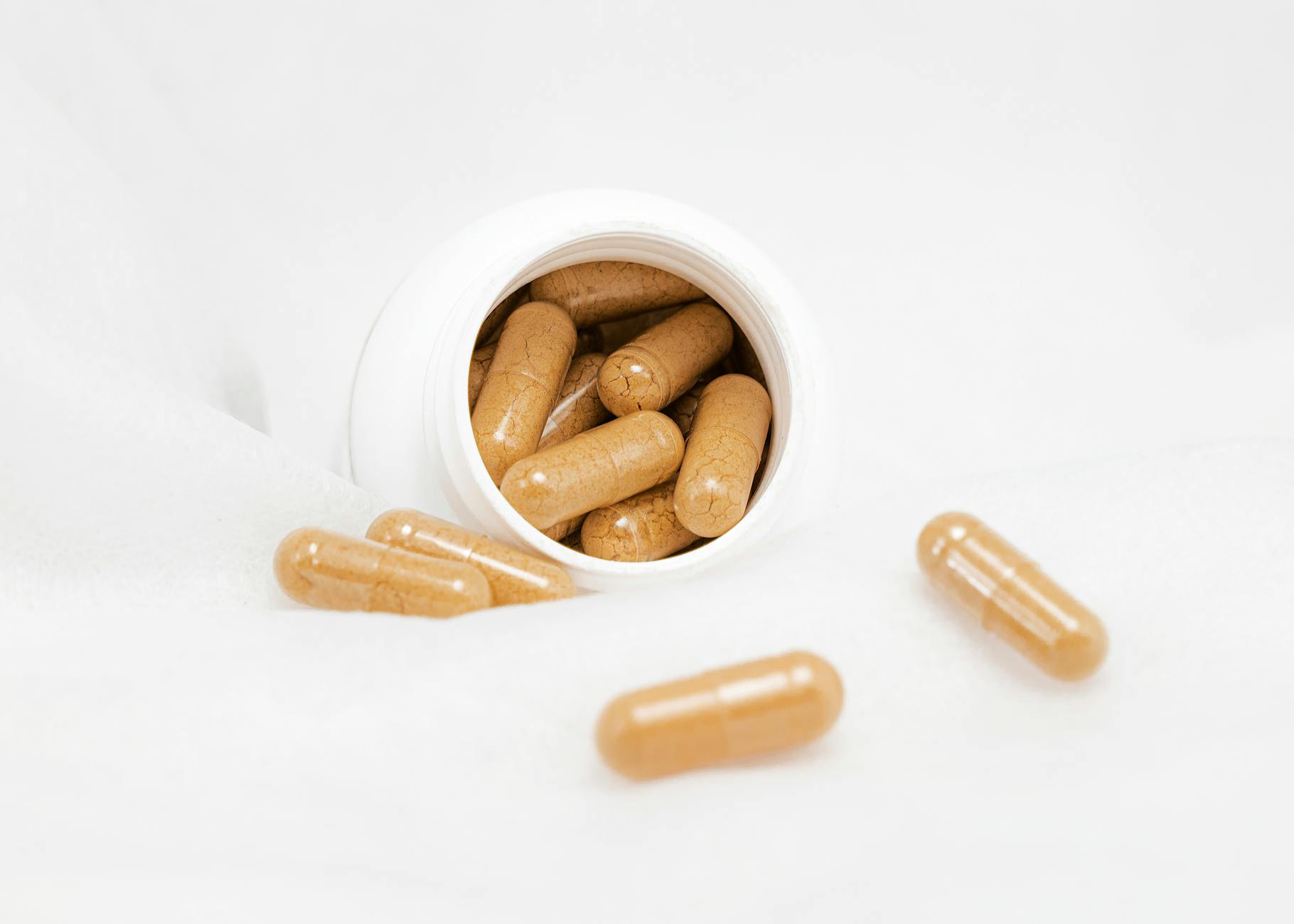
Sleep. It's something we all need, yet for many of us, it remains an elusive luxury. In our busy lives, juggling work, family, and social commitments, achieving a restful night's sleep can feel like a Herculean task. You're not alone. According to the Centers for Disease Control and Prevention (CDC), a staggering 30 percent of Americans struggle with insufficient sleep. Others face outright insomnia or simply poor-quality sleep that leaves them groggy and unproductive the next day. If this sounds familiar, you might have heard about melatonin, a hormone that plays a key role in our sleep-wake cycle. But what exactly is melatonin, and can it really help you get that much-needed shut-eye? Let's explore.
Melatonin is a hormone that your brain's pineal gland produces naturally. Think of it as your body's internal clock manager. Its production ramps up in the evening as darkness falls, signalling to your body that it's time to wind down and prepare for sleep. Conversely, when light hits your eyes, melatonin production decreases, helping you wake up. This natural rhythm is known as the circadian rhythm. While your body makes its own melatonin, it's also widely available as a dietary supplement. These supplements can be particularly helpful for individuals whose natural melatonin production is disrupted or insufficient.
Research has shown promising results regarding melatonin's effectiveness. A 2022 review of 23 randomized controlled trials indicated that melatonin supplements can positively impact sleep quality in adults. This includes individuals experiencing various sleep disorders. For many, taking a melatonin supplement can:
It's important to remember that melatonin is not a sedative in the way prescription sleep medications are. Instead, it works with your body's natural processes to promote sleepiness.
Consider Priya, a nurse who recently started working night shifts. Her body clock is completely out of sync. She finds herself wide awake and alert at 2 AM, struggling to fall asleep when she finally gets home in the morning. Her days are spent feeling exhausted and groggy, impacting her concentration at work and her time with her family. After discussing with her doctor, Priya decides to try a low-dose melatonin supplement about an hour before her desired sleep time. She also works on creating a dark, quiet sleep environment during the day. Slowly, she notices an improvement in her ability to fall asleep and a reduction in daytime fatigue.
With so many options available, selecting the right melatonin supplement can feel overwhelming. Here's what experts recommend considering:
Look for supplements that are third-party tested. This means an independent organization has verified the product's purity, potency, and quality. Brands like Pure Encapsulations are known for their commitment to clean ingredients, often omitting common allergens, artificial sweeteners, and genetically modified organisms (GMOs). Pure Encapsulations Melatonin Capsules, for instance, are a top pick for their high-quality, minimalist formula.
Melatonin dosages typically range from 0.5 mg to 10 mg. It's generally recommended to start with the lowest possible dose (e.g., 0.5 mg or 1 mg) and see how your body responds. Some people find that even a small amount is effective, while others may need a slightly higher dose. Over time, you might find that you need less than you initially thought. Taking too much can sometimes lead to grogginess or disrupt your natural sleep cycle.
Melatonin comes in various forms:
Some supplements combine melatonin with other sleep-promoting ingredients like valerian root, chamomile, or L-theanine. While these can be beneficial for some, others prefer a pure melatonin supplement to avoid potential interactions or unwanted side effects. Pure Encapsulations, for example, contains melatonin only.
Prices can vary significantly. Generally, you can expect to pay anywhere from $0.03 to $1.67 per serving. Budget-friendly options like Nature Made Melatonin 3 mg are available if cost is a primary concern.
To get the most out of your melatonin supplement and ensure you use it safely, follow these guidelines:
While melatonin is generally considered safe for short-term use, it's always wise to consult a healthcare professional before starting any new supplement, especially if you:
Your doctor can help determine the cause of your sleep issues and recommend the most appropriate course of action, which may or may not include melatonin.
For short-term sleep issues, occasional use is generally fine. However, for chronic insomnia, it's best to discuss long-term use with your doctor. Long-term safety data is still being gathered, and it's important to ensure you're not masking a more significant underlying health issue.
Unlike some prescription sleep medications, melatonin is not typically associated with physical dependence. However, some people may become psychologically reliant on it to fall asleep. The goal is often to use it as a tool to reset your sleep cycle and then gradually wean off as your natural sleep patterns improve.
Common side effects are usually mild and can include headache, dizziness, nausea, and daytime sleepiness. Some people report experiencing more vivid dreams or short-term mood changes. Starting with a low dose can help minimize these effects.
While melatonin is available over-the-counter, it's crucial to consult a pediatrician before giving melatonin to children. Dosage and safety for children differ significantly from adults, and it should only be used under medical supervision for specific indications.
Incorporating healthy sleep habits is paramount for overall well-being. Melatonin can be a helpful tool for many, but it's most effective when used responsibly and in conjunction with good sleep hygiene. Sweet dreams!
Visit Hospital
Near You

Discover the pros and cons of sleeping without a pillow, especially for stomach sleepers. Learn how it might affect your posture, neck pain, and when to consult a doctor.
April 1, 2026

Discover the benefits and techniques of side sleeping for pain-free rest. Learn how to choose the right mattress and pillows to avoid common aches and improve your sleep quality.
April 1, 2026

Explore how Vastu Shastra and Feng Shui principles suggest sleeping direction can influence your sleep quality and overall well-being. Learn practical tips for a more restful night.
April 1, 2026