

Emergency & Help
24/7 Emergency & General Advisory
🚨 24/7 Medical Emergency
Non-Emergency Advisory
10:00 AM – 6:00 PM, Mon–Sat
For appointments & general queries.
24/7 Emergency & General Advisory
🚨 24/7 Medical Emergency
Non-Emergency Advisory
10:00 AM – 6:00 PM, Mon–Sat
For appointments & general queries.
Learn practical tips to improve your sleep quality and cultivate more positive dreams. Discover how lifestyle, stress management, and sleep hygiene can make a difference.
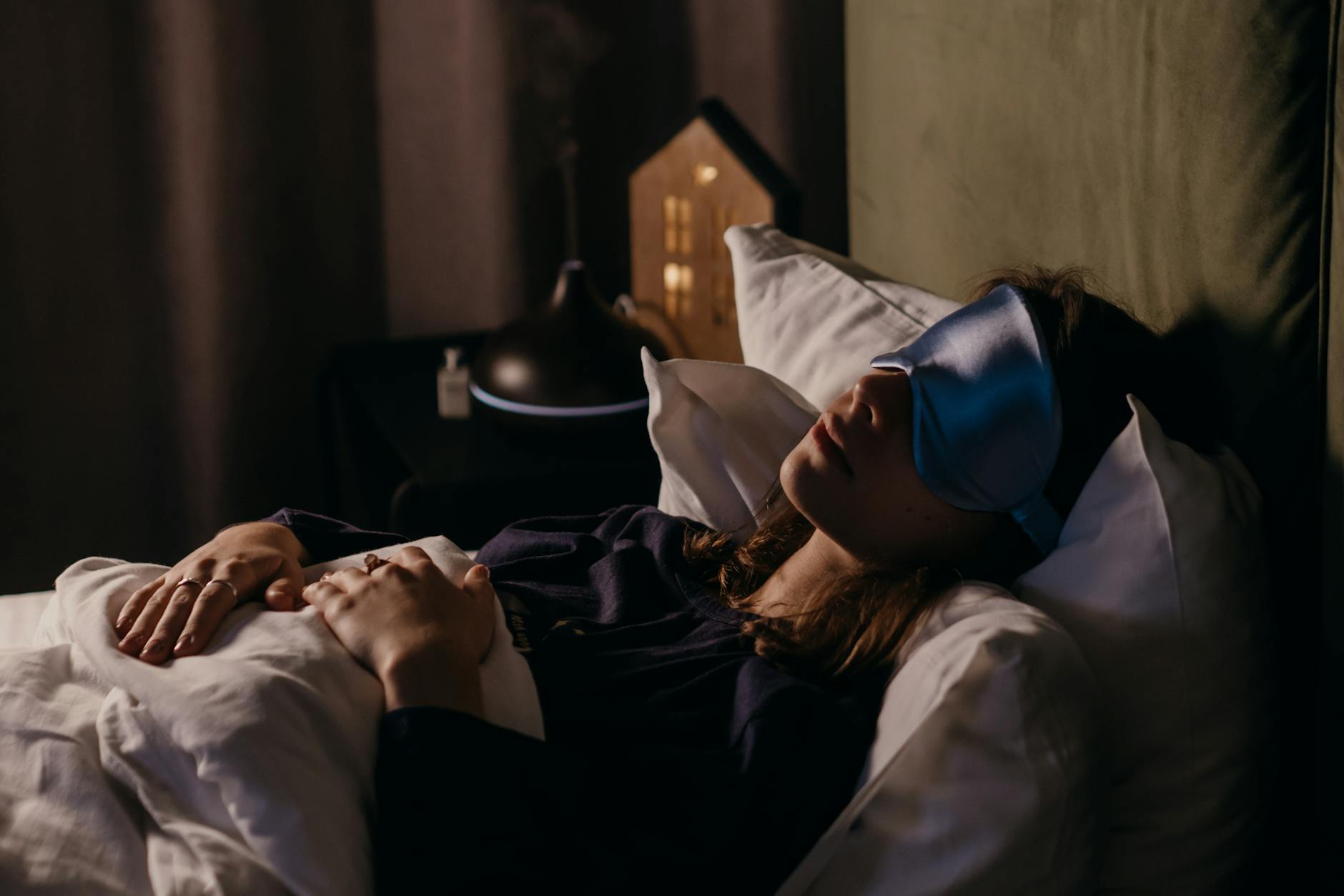
Dreams, those enigmatic nightly journeys, have fascinated humanity for centuries. They can be vivid, bizarre, inspiring, or even unsettling. While we can't entirely command our dream narratives, we can certainly influence their quality and our overall sleep experience. This guide is designed to help you understand how to encourage more positive and fulfilling dreams, leading to better sleep and a more refreshed waking life. Imagine waking up feeling genuinely rested, remembering a pleasant dream that left you with a sense of calm, rather than a jolt of anxiety from a nightmare. This isn't just a fantasy; it's an achievable goal with the right approach to sleep hygiene and stress management.
Dreams are a complex product of our subconscious mind, often weaving together fragments of our daily experiences, emotions, and deepest thoughts. They are highly personal and can be influenced by a myriad of factors, from what we eat and drink to our emotional state and even our sleeping position. While scientific research continues to unravel the intricacies of dreaming, we have gained valuable insights into how to promote more positive dream experiences.
The bedrock of good dreams is, undoubtedly, good sleep. Adults generally require 7 or more hours of quality sleep each night. If you find yourself tossing and turning, here are some foundational tips to improve your sleep hygiene:
Try to go to bed and wake up around the same time every single day, even on weekends. This regularity helps regulate your body's natural sleep-wake cycle, known as the circadian rhythm.
Your bedroom should be a haven for rest. Ensure the temperature is comfortable – typically cool is best. Eliminate all light sources; this includes turning off lights, using blackout curtains, and removing glowing electronic screens from your line of sight. Even a small nightlight can disrupt your sleep architecture.
Remove distractions like televisions, computers, smartphones, and other electronic devices that emit light and sound. If your bedroom must serve as a workspace, use a room divider to create a clear separation between work and sleep zones.
If you lie in bed for more than 20 minutes unable to fall asleep, get up. Move to another room and engage in a quiet, relaxing activity, such as reading a book under dim light. Return to bed only when you feel genuinely sleepy. This prevents your brain from associating your bed with frustration and wakefulness.
What you do during the day and in the hours leading up to bedtime can significantly impact your dreams. Consider these lifestyle adjustments:
Regular exercise is a well-documented enhancer of subjective sleep quality. Studies suggest that engaging in moderate to high-intensity exercise 2 to 4 hours before bedtime does not typically disrupt sleep in healthy adults. In fact, it can leave you feeling more relaxed and ready for rest.
Be mindful of what you consume, especially in the evening. Alcohol, while it might make you feel drowsy initially, significantly impairs overall sleep quality. It reduces total sleep time, lowers sleep efficiency, and disrupts the natural stages of sleep. Caffeine and heavy meals close to bedtime can also interfere with your ability to fall asleep and stay asleep.
Your emotional state plays a profound role in your dreams. Anxiety and stress are often linked to more negative dream content, including nightmares. Incorporating stress-reducing activities into your routine is key.
Believe it or not, your sleeping posture might influence your dreams. Some research indicates that sleeping on your left side may be associated with more nightmares. Conversely, sleeping on your stomach could potentially lead to dreams with themes of being trapped or unable to move. Experimenting with sleeping on your right side or your back might be worth a try if you experience frequent unsettling dreams.
Melatonin, a hormone your body produces naturally to regulate sleep, is also available as a supplement. While some individuals find melatonin helpful for improving sleep quality, its effects can be varied. Some studies suggest it may not significantly improve sleep onset or duration for everyone. Additionally, for some, melatonin can lead to more vivid dreams, which might not always be pleasant. It's also important to be aware that melatonin can interact with certain medications. If you're considering melatonin or struggling with sleep issues and bad dreams, it is best to consult with your doctor before starting any supplement.
For individuals experiencing frequent nightmares or anxiety-related sleep disturbances, Cognitive Behavioral Therapy (CBT) can be highly effective. CBT helps individuals identify and challenge negative thought patterns and behaviors that contribute to poor sleep and distressing dreams. A therapist can guide you through techniques to manage anxiety and reframe negative dream content, promoting more peaceful sleep.
While occasional bad dreams are normal, persistent nightmares or significant sleep disturbances warrant medical attention. If you experience:
It is essential to consult a doctor or a sleep specialist. They can help identify underlying causes, such as sleep disorders, mental health conditions, or medication side effects, and recommend appropriate treatments.
While complete control is difficult, you can influence the likelihood of having more positive dreams by improving your sleep hygiene, managing stress, and adopting healthy lifestyle habits.
Consistency is key. You might start noticing subtle changes within a few days to a couple of weeks as your body adjusts to a more regular sleep schedule and reduced stress levels.
Not necessarily. Vivid dreams can be a result of intense emotions, significant life events, or even certain medications. However, if vivid dreams are consistently negative or disturbing, it's worth discussing with a healthcare professional.
Some research suggests that playing physically interactive video games might be positively correlated with more frequent lucid dreams or dreams where you feel more in control. However, this is an area that requires more extensive research.
Visit Hospital
Near You

Discover the pros and cons of sleeping without a pillow, especially for stomach sleepers. Learn how it might affect your posture, neck pain, and when to consult a doctor.
April 1, 2026

Discover the benefits and techniques of side sleeping for pain-free rest. Learn how to choose the right mattress and pillows to avoid common aches and improve your sleep quality.
April 1, 2026

Explore how Vastu Shastra and Feng Shui principles suggest sleeping direction can influence your sleep quality and overall well-being. Learn practical tips for a more restful night.
April 1, 2026