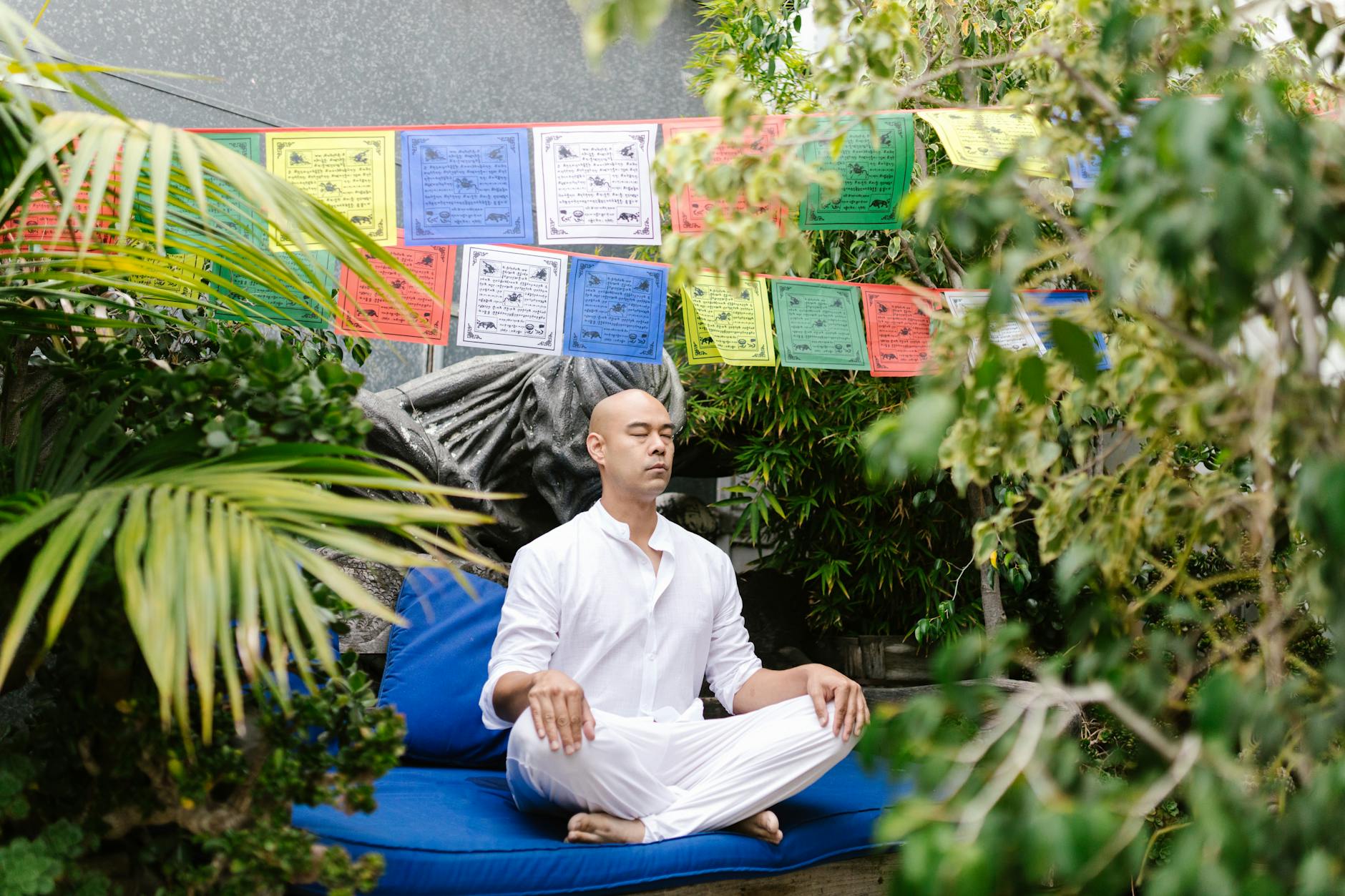
In today's fast-paced world, finding a moment of peace can feel like a luxury. Many of us juggle work, family, and social commitments, leaving us feeling drained and disconnected. If you're looking for a practice that goes beyond simple relaxation, something that can tap into your deeper potential and bring about profound changes, then Kundalini meditation might be for you. Rooted in ancient Indian traditions, this powerful technique aims to awaken your inner energy, leading to greater awareness, balance, and well-being.
The term Kundalini itself comes from Sanskrit and means "coiled." The theory behind Kundalini meditation suggests that a vital life energy resides at the base of your spine, coiled like a snake. The goal of this practice is to gently awaken this energy and guide it upwards through your energy centers, known as chakras, ultimately leading to a state of enlightenment and expanded consciousness.
While the concept might sound mystical, Kundalini meditation is a practical and accessible practice. It involves a unique combination of mantras (chants), pranayama (breathing techniques), mudras (hand gestures), and asanas (physical postures or movements). These elements work together synergistically to prepare your body and mind, allowing the dormant energy to flow freely.
Imagine a young professional, Priya, who feels overwhelmed by her demanding job in Mumbai. She experiences constant fatigue, irritability, and difficulty concentrating. Priya decides to try Kundalini meditation, starting with just 10 minutes each morning. After a few weeks, she notices a significant reduction in her stress levels, improved focus at work, and a greater sense of inner calm. She feels more resilient and better equipped to handle daily challenges.
A Glimpse into the History of Kundalini
The origins of Kundalini practices are ancient, with references found in sacred Hindu texts like The Upanishads, believed to have been composed between 800 and 500 B.C. For centuries, these teachings were a closely guarded secret, shared only with dedicated students who had undergone extensive spiritual training. The knowledge was passed down from teacher to disciple in a very private setting.
This secrecy began to change significantly in 1968 when Yogi Bhajan introduced Kundalini yoga, with its integral meditation component, to the Western world. He believed that by sharing these techniques, he could help people improve their lives and overall well-being. Over his lifetime, Yogi Bhajan trained thousands of students and established the Kundalini Research Institute, ensuring the practice's continued accessibility.
The Core Components of Kundalini Meditation
Kundalini meditation is not just about sitting still. It’s an active process that engages your mind, body, and spirit. Here are the key elements you'll encounter:
- Pranayama (Breathwork): This is fundamental. You'll learn specific breathing techniques, like Breath of Fire (a rapid, rhythmic nasal breath) or deep, slow breathing, to energize the body and clear the mind. The focus is on the sensation and flow of breath.
- Mantra (Chanting): Repetitive chanting of specific sounds or phrases helps to focus the mind and induce a meditative state. Mantras can be spoken aloud, whispered, or repeated silently.
- Asana (Movement): While not always strenuous, specific physical movements or postures are often incorporated to prepare the body, release tension, and direct energy flow.
- Mudras (Hand Gestures): These symbolic hand positions are believed to direct energy flow within the body and enhance the effects of the meditation.
- Drishti (Gaze Point): Focusing your gaze on a specific point can help to deepen concentration and quiet the mental chatter.
How Kundalini Meditation Can Benefit Your Life
The practice of Kundalini meditation offers a wealth of benefits, supported by both ancient wisdom and modern research. These advantages extend to your mental, emotional, and even physical well-being.
Immediate Stress Relief
Life in India, with its vibrant culture and bustling cities, can also be incredibly demanding. Kundalini meditation has shown promise in providing quick relief from stress. A small study in 2017 indicated that practicing Kundalini yoga, which includes meditation, could offer immediate stress reduction. This can be particularly helpful for managing the daily pressures that many Indians face.
Reduced Anxiety Symptoms
For those struggling with persistent worry and nervousness, Kundalini meditation may offer a path to calmness. Research from 2018 suggests that Kundalini yoga practices can be effective in reducing symptoms associated with generalized anxiety disorder. By calming the nervous system, this practice helps to ease feelings of unease and apprehension.
Enhanced Cognitive Function
As we age, maintaining sharp cognitive abilities is a growing concern for many. A 2017 study explored the impact of Kundalini yoga on cognitive function in older adults. The findings indicated that the practice, alongside memory enhancement training, could help improve memory and executive functions, such as problem-solving and decision-making. This suggests Kundalini meditation can be a valuable tool for keeping the mind agile.
Increased Mindfulness and Compassion
Beyond the measurable effects, practitioners often report a deeper sense of self-awareness and connection to others. Kundalini meditation cultivates mindfulness, helping you become more present in your daily life. This increased awareness can naturally lead to greater compassion for yourself and those around you.
Improved Sleep Quality
Many people in India suffer from sleep disturbances due to stress and busy schedules. By reducing stress and calming the mind, Kundalini meditation can contribute to more restful and rejuvenating sleep. This can have a cascading positive effect on overall health and energy levels.
Greater Emotional Balance
The techniques in Kundalini meditation help to regulate the nervous system and release emotional blockages. This can lead to a more stable emotional state, making it easier to navigate life's ups and downs with grace and resilience.
Getting Started with Kundalini Meditation: A Simple Practice
Starting a new meditation practice can seem daunting, but Kundalini meditation can be approached with simple, accessible steps. Here’s a basic practice you can try:
- Find a Quiet Space: Choose a calm and comfortable place where you won't be disturbed. Sit in a comfortable cross-legged position or on a chair with your spine straight.
- Set Your Intention: Briefly set an intention for your practice, perhaps to find peace or increase your energy.
- Focus on Your Breath: Begin by focusing on your breath. Inhale and exhale gently through your nose. Observe the sensation of the breath entering and leaving your body.
- Slow Your Breath: Gradually slow down your breath. Aim for each inhale and exhale to last about 3 to 4 seconds, making each full breath approximately 8 seconds long. Concentrate on the rhythm and depth of your breathing.
- Continue for 3-5 Minutes: As a beginner, start with a short duration. Gradually increase the time as you feel more comfortable, perhaps to 10, 15, or even 30 minutes.
- End with Gratitude: Gently bring your awareness back to your surroundings. Take a moment to feel gratitude for taking this time for yourself.
This simple breath awareness exercise is a foundational step. As you become more comfortable, you can explore guided Kundalini meditations that incorporate mantras and movements.
When to Seek Guidance
While Kundalini meditation is generally safe, it’s always wise to proceed with awareness. If you have any pre-existing medical conditions, especially those related to the heart, blood pressure, or nervous system, it is highly recommended to consult with your doctor before starting.
Additionally, finding a qualified and experienced Kundalini yoga or meditation teacher can greatly enhance your practice. A good teacher can provide personalized guidance, ensure you are practicing safely, and help you deepen your understanding of the techniques. Look for teachers certified by reputable organizations.
Frequently Asked Questions about Kundalini Meditation
Is Kundalini meditation suitable for beginners?
Yes, Kundalini meditation is suitable for beginners. The practice can be started with simple breath awareness and gradually incorporate more complex techniques as one progresses. Many classes and online resources are designed for newcomers.
How often should I practice Kundalini meditation?
Consistency is key. Aim to practice daily, even if it's just for a few minutes. As you become more comfortable, you can gradually increase the duration of your sessions.
What is the difference between Kundalini yoga and Kundalini meditation?
Kundalini yoga is a broader practice that incorporates Kundalini meditation as a significant component, along with physical postures (asanas), breathing techniques (pranayama), and chanting (mantras). Kundalini meditation focuses more specifically on the meditative aspects, often using elements from Kundalini yoga.
Can Kundalini meditation help with spiritual growth?
Absolutely. Kundalini meditation is deeply rooted in spiritual traditions and is believed to awaken inner energy, leading to expanded consciousness, self-realization, and a deeper connection to the universe.
What should I do if I feel uncomfortable during meditation?
If you experience any discomfort, dizziness, or intense emotions during meditation, it's okay to stop or modify the practice. Gently return to a natural breath and rest. It's advisable to discuss any persistent discomfort with your instructor or doctor.