

Emergency & Help
24/7 Emergency & General Advisory
🚨 24/7 Medical Emergency
Non-Emergency Advisory
10:00 AM – 6:00 PM, Mon–Sat
For appointments & general queries.
24/7 Emergency & General Advisory
🚨 24/7 Medical Emergency
Non-Emergency Advisory
10:00 AM – 6:00 PM, Mon–Sat
For appointments & general queries.
Discover how yoga can be your ally in fighting stress. Learn simple poses, breathing techniques, and relaxation methods for a calmer, healthier you.
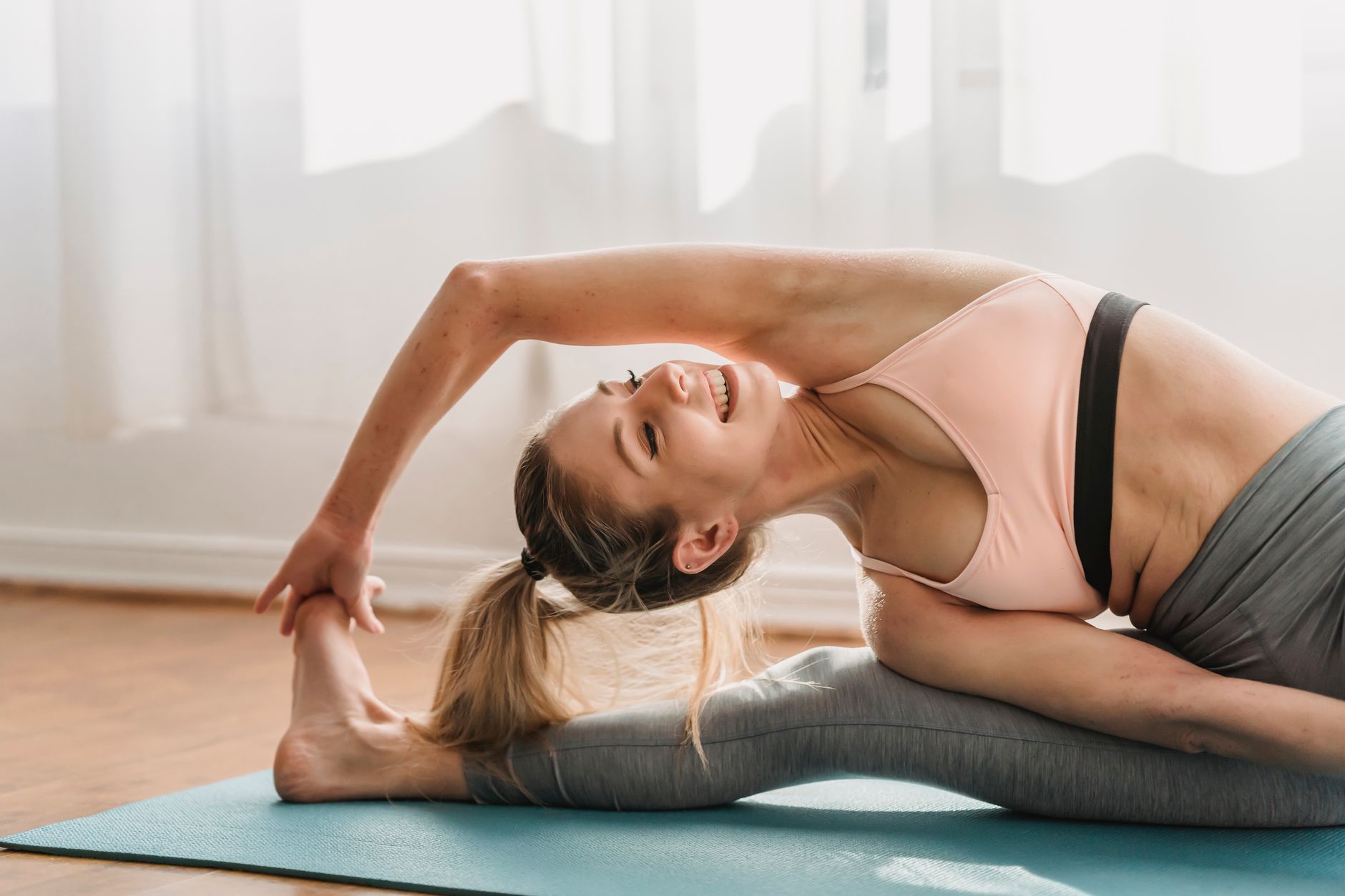
Feeling overwhelmed by the daily grind? In India, where life often moves at a breakneck pace, stress can feel like a constant companion. But what if there was a way to find your calm amidst the chaos? Enter yoga! More than just physical postures, yoga offers a powerful toolkit for managing stress, anxiety, and improving your overall well-being. Let's explore how this ancient practice can bring peace to your modern life.
You've probably heard that yoga is good for you, but do you know *why* it's so effective against stress? It’s a beautiful blend of mind and body. When you practice yoga, you’re not just stretching your muscles; you’re calming your nervous system. Physical poses, or asanas, help release pent-up tension in your body. Think of those tight knots in your shoulders or that stiff neck – yoga can help unravel them. These poses also encourage the release of endorphins, those wonderful “feel-good” hormones that naturally lift your mood and help you cope better when life throws curveballs.
But yoga is also about the breath. The breathing techniques, known as pranayama, are like a gentle reset button for your mind. Deep, controlled breathing calms your mind, slows your heart rate, and activates your body’s relaxation response. This is your body’s natural way of saying, “Okay, let’s chill.”
And then there’s the mindfulness aspect. Yoga encourages you to focus on the present moment. You become aware of your breath, your body, and your thoughts without judgment. This present-moment awareness is incredibly powerful. It helps you detach from worries about the past or future, making it easier to let go of negative emotions and cultivate feelings of peace and joy. Studies back this up! Research from 2018 showed that women practicing Hatha yoga three times a week for four weeks experienced significant reductions in stress, depression, and anxiety. Another small study in 2020 suggested that yoga stretches can lower cortisol levels (the stress hormone) and boost your body’s relaxation signals. Even an 11-minute daily practice of yoga nidra (a guided relaxation technique) for 30 days was found to reduce stress, improve well-being, and enhance sleep quality in a 2020 study. The benefits even lingered for weeks afterward!
Ready to give it a try? You don’t need to be a yoga guru to start reaping the benefits. Here are some simple practices you can incorporate:
This gentle flow is perfect for connecting your breath with movement, calming your mind, and releasing tension. Get on your hands and knees, ensuring your wrists are under your shoulders and your knees under your hips.
Flow smoothly between these two poses for about a minute, letting your breath guide each movement. It’s a wonderful way to wake up your spine and release any stored stress.
This is a resting pose that offers a sense of grounding and calm. Kneel on the floor. Bring your big toes to touch and widen your knees. Exhale and lay your torso down between your thighs. Rest your forehead on the floor. You can extend your arms forward or rest them alongside your body with palms facing up. Find a comfortable position and breathe deeply. Stay here for up to 15 minutes, allowing your body to relax completely.
This restorative pose is incredibly calming for the nervous system. Sit sideways against a wall. Swing your legs up the wall as you lie back on the floor. Scoot your hips as close to the wall as comfortable. Your legs should form an inverted 'L' shape against the wall. Position your arms comfortably, perhaps by your sides with palms facing up or resting your hands on your belly. Stay in this pose for 10–20 minutes, focusing on your breath. It’s a fantastic way to unwind after a long day.
Yoga Nidra is a powerful guided meditation technique that promotes deep relaxation. It's often practiced lying down and involves systematically bringing awareness to different parts of the body while following a verbal guide. You don't need any physical exertion, just the willingness to relax. Many guided Yoga Nidra sessions are available online, making it accessible for everyone. A 30-day practice of just 11 minutes a day showed significant stress reduction and improved sleep!
Your breath is your anchor to the present moment. Mastering a few simple breathing techniques can offer immediate stress relief:
While yoga is a fantastic tool for stress management, it’s important to know when to consult a healthcare professional. If your stress levels are consistently overwhelming, interfering with your daily life, or accompanied by symptoms like persistent sadness, loss of interest, panic attacks, or physical ailments, it's time to reach out.
A doctor can help rule out any underlying medical conditions and discuss treatment options, which might include therapy, medication, or a combination of approaches. Yoga can be a wonderful complementary therapy, but it shouldn't replace professional medical advice or treatment when needed.
Yoga is a powerful tool for stress management. Its combination of physical movement, breathwork, and mindfulness helps calm the nervous system and reduce stress hormones. While it can significantly help, for severe or persistent stress, it's best used alongside other professional treatments.
Consistency is key! Even short, regular practices can make a difference. Aim for at least 15-20 minutes a few times a week. Studies have shown benefits with practices as frequent as three times a week or even daily short sessions like 11 minutes of yoga nidra.
Cat-Cow Pose, Child's Pose, and Legs-Up-the-Wall Pose are excellent starting points. They are gentle and focus on breath and relaxation. Many online resources and local classes offer beginner-friendly sessions.
Yes! Research indicates that yoga can help reduce symptoms of anxiety and depression. The practice promotes relaxation, reduces stress hormones, and can boost mood-regulating endorphins.
Yoga can be a valuable complementary therapy, but it should not replace prescribed medication without consulting your doctor. Always discuss any changes to your treatment plan with your healthcare provider.
Incorporating yoga into your routine can be a transformative step towards a calmer, more balanced life. Start small, be consistent, and listen to your body. You deserve to find your peace!
Visit Hospital
Near You

Discover how to use essential oils like lavender, lemon, and eucalyptus in your bath to promote relaxation, improve mood, and soothe muscles. Learn safe dilution methods and precautions for a rejuvenating experience.
April 1, 2026

Discover the ancient 5 Tibetan Rites, a sequence of five exercises believed to restore youth and vitality. Learn how to perform each rite and unlock its benefits for energy, sleep, and well-being.
April 1, 2026

Discover the art of circular breathing, a technique that allows continuous sound and breath. Learn how singers, musicians, and meditators can master this skill for enhanced performance and deeper relaxation. Includes practice steps and benefits.
April 1, 2026