

Emergency & Help
24/7 Emergency & General Advisory
🚨 24/7 Medical Emergency
Non-Emergency Advisory
10:00 AM – 6:00 PM, Mon–Sat
For appointments & general queries.
24/7 Emergency & General Advisory
🚨 24/7 Medical Emergency
Non-Emergency Advisory
10:00 AM – 6:00 PM, Mon–Sat
For appointments & general queries.
Discover 3 simple yoga poses, like Pawanmuktasana and Cat-Cow, that can gently stimulate your digestive system, relieve bloating, and promote overall gut health. Learn when and how to practice for best results.
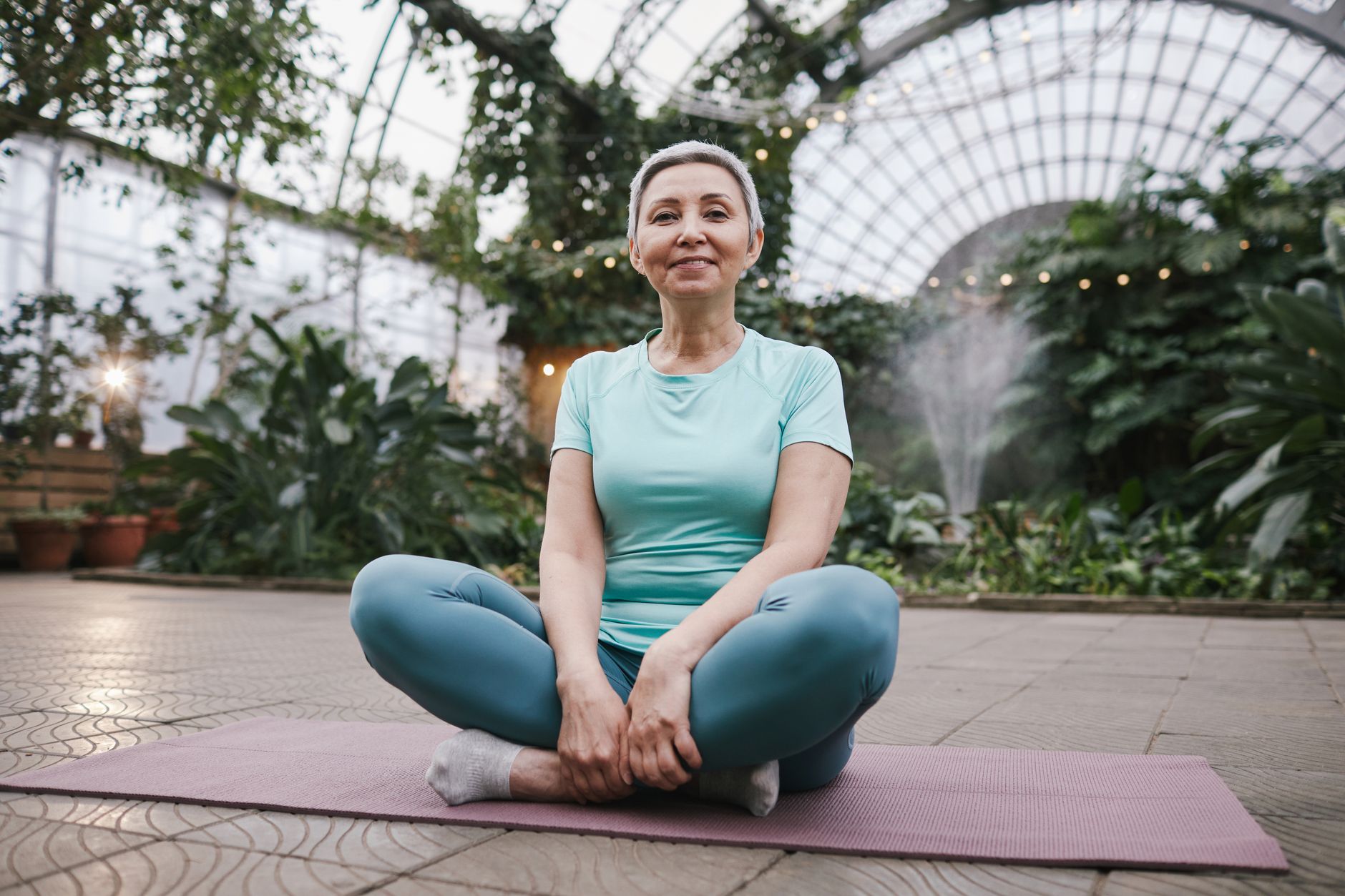
Feeling sluggish after meals? Bloated or uncomfortable? You're not alone. Many of us experience digestive issues from time to time, and it can really impact our day. While modern medicine offers solutions, sometimes the answer lies in ancient practices. Yoga, for instance, has been used for centuries not just for its physical and mental benefits, but also for its ability to support bodily functions, including digestion. In this guide, we’ll explore how specific yoga poses can gently stimulate your digestive system, ease discomfort, and promote better gut health. We'll focus on simple, accessible poses that you can try right in your home, even if you're new to yoga.
Our digestive system is a complex network of organs working tirelessly to break down food and absorb nutrients. Stress, poor eating habits, and a sedentary lifestyle can all disrupt this delicate balance, leading to issues like indigestion, constipation, and bloating. Yoga offers a holistic approach to improving digestion through several mechanisms:
Here are three beginner-friendly yoga poses that can make a real difference to your digestive comfort. Remember to listen to your body and avoid any movements that cause pain. It’s best to practice these poses on an empty stomach, ideally a few hours after a meal or first thing in the morning.
As the name suggests, this pose is excellent for releasing trapped gas and relieving bloating. It gently massages the abdominal organs and can help ease discomfort after a heavy meal.
Why it helps: This pose applies direct pressure to the abdominal area, stimulating the intestines and helping to release gas. It also helps to relax the muscles in your back.
This gentle flow between two poses warms up the spine and massages the abdominal organs through rhythmic movement. It synchronizes breath with movement, which is calming for the nervous system and beneficial for digestion.
Why it helps: The gentle flexion and extension of the spine massages the abdominal organs, and the coordinated breathing calms the nervous system, which is essential for healthy digestion.
Child's Pose is a resting pose that also offers a gentle compression to the abdomen. It’s incredibly calming and can help to relieve stress, which indirectly benefits your digestive system.
Why it helps: This pose provides a gentle restorative stretch for the back and hips, while the downward position allows for a passive, gentle compression of the abdomen, promoting relaxation and aiding digestion.
The best time to practice these poses is when your stomach is relatively empty. Many people find it beneficial to practice first thing in the morning before breakfast to kickstart their digestive system for the day. Alternatively, you can practice them a few hours after your last meal, especially if you feel bloated or uncomfortable after eating.
A common scenario: Ravi often feels heavy and bloated after his lunch, especially on days he has a heavier Indian meal. He usually feels sluggish in the afternoon, making it hard to concentrate on work. He decided to try a few yoga poses after lunch on a weekend. After practicing Pawanmuktasana and Balasana for about 10 minutes, he noticed a significant reduction in his bloating and felt much lighter.
Always listen to your body. Yoga should never cause pain. If you have any recent injuries or specific health conditions, consult with your doctor or a qualified yoga instructor before starting.
While yoga can be a wonderful aid for mild digestive discomfort, it's important to seek medical advice for persistent or severe symptoms. Consult your doctor if you experience any of the following:
These symptoms could indicate an underlying medical condition that requires professional diagnosis and treatment.
Yes, gentle yoga poses like Child's Pose and gentle twists can help. However, avoid poses that put excessive pressure on the abdomen or inversions if you have severe acidity. Always consult your doctor for personalized advice.
Many people feel some relief from bloating or gas immediately after practicing these poses. For more sustained improvements in digestion, regular practice over a few weeks is generally recommended.
It's best to wait at least 2-3 hours after a heavy meal before practicing yoga, especially poses that involve twists or inversions. Lighter meals or snacks may allow for a shorter waiting period, but always listen to your body.
Visit Hospital
Near You

Discover how to use essential oils like lavender, lemon, and eucalyptus in your bath to promote relaxation, improve mood, and soothe muscles. Learn safe dilution methods and precautions for a rejuvenating experience.
April 1, 2026

Discover the ancient 5 Tibetan Rites, a sequence of five exercises believed to restore youth and vitality. Learn how to perform each rite and unlock its benefits for energy, sleep, and well-being.
April 1, 2026

Discover the art of circular breathing, a technique that allows continuous sound and breath. Learn how singers, musicians, and meditators can master this skill for enhanced performance and deeper relaxation. Includes practice steps and benefits.
April 1, 2026