

Emergency & Help
24/7 Emergency & General Advisory
🚨 24/7 Medical Emergency
Non-Emergency Advisory
10:00 AM – 6:00 PM, Mon–Sat
For appointments & general queries.
24/7 Emergency & General Advisory
🚨 24/7 Medical Emergency
Non-Emergency Advisory
10:00 AM – 6:00 PM, Mon–Sat
For appointments & general queries.
Discover Box Breathing, a simple yet powerful technique to reduce stress, enhance focus, and promote calm. Learn the steps and benefits for a balanced mind and body.

Feeling overwhelmed? Does the daily hustle leave you frazzled and unfocused? We get it. Life in India, with its vibrant energy and demands, can sometimes feel like a whirlwind. But what if we told you there’s a simple, powerful technique you can use anywhere, anytime, to find your calm and sharpen your focus? Enter Box Breathing, also known as Quadrilateral Breathing or Square Breathing. It’s not some mystical ancient secret; it’s a practical, accessible tool that’s empowering everyone from athletes and Navy SEALs to police officers and nurses. And guess what? You can master it too!
Imagine a perfect square. Each side is equal, right? Box breathing mirrors this simplicity. It’s a slow, deep breathing technique where you inhale, hold, exhale, and hold again, all for the same count – typically four seconds. This rhythmic pattern helps regulate your breath and, in turn, your nervous system. It’s like hitting a reset button for your mind and body.
Why does this matter? When we’re stressed, our breathing often becomes shallow and rapid, signaling our body to stay in ‘fight or flight’ mode. Box breathing reverses this. By slowing down and controlling your breath, you send a clear message to your brain: 'Everything is okay. You can relax.'
It sounds almost too simple, but there’s solid science behind box breathing’s effectiveness. When you hold your breath after inhaling, carbon dioxide (CO2) builds up in your bloodstream. This might sound alarming, but it's actually beneficial! A slightly higher CO2 level enhances the vagus nerve’s cardioinhibitory response during exhalation. The vagus nerve is a major player in your parasympathetic nervous system – the ‘rest and digest’ system that counteracts the stress response. By stimulating this nerve, box breathing promotes a profound sense of calm and relaxation, helping to lower your heart rate and blood pressure.
The Mayo Clinic acknowledges that intentional deep breathing exercises can indeed calm and regulate the Autonomic Nervous System (ANS). This system controls involuntary bodily functions like temperature, heart rate, and digestion. When your ANS is balanced, you feel more at ease, focused, and in control.
Honestly? Almost everyone! But it’s particularly fantastic for:
Ready to give it a try? Here’s how to get started. Find a quiet, comfortable spot where you won’t be disturbed. Sit upright in a chair with your feet flat on the floor, or lie down if that’s more comfortable. Ensure your posture is good – sitting or standing tall helps you breathe more deeply.
Repeat: Continue this cycle for at least 4-5 minutes, or for as long as feels comfortable. Aim for a slow, steady rhythm. The goal is not to force it but to find a smooth, controlled pace.
While box breathing is a phenomenal stress buster, its advantages extend much further:
Box breathing is generally safe for most people. However, if you have a significant respiratory condition like severe COPD, asthma, or heart issues, it's always wise to talk to your doctor before starting any new breathing exercises. If you experience persistent dizziness, shortness of breath, or any discomfort, stop the practice and seek medical advice.
Yes, for most healthy individuals, box breathing is a safe and beneficial technique. However, those with serious respiratory or cardiac conditions should consult their doctor first.
Many people feel a sense of calm almost immediately after a session. For more significant benefits like reduced anxiety or improved focus, regular practice over days and weeks is typically needed.
Absolutely! While sitting upright can promote better diaphragmatic breathing, you can practice box breathing in any comfortable position, including lying down.
This is common, especially when you’re new to the technique. It usually means you’re holding your breath for too long or not exhaling fully. Take a break, breathe normally, and try again with shorter holds or counts.
You can practice it as often as you need. Many find it beneficial to do it 2-3 times a day, or whenever they feel stressed or need to refocus. Consistency is more important than duration.
Embrace the Power of Your Breath
In the chaos of modern life, your breath is your anchor. Box breathing is a simple yet profound tool to harness its power. By dedicating just a few minutes each day to this practice, you can cultivate a calmer mind, sharper focus, and a greater sense of well-being. Give it a try – your future self will thank you!
Visit Hospital
Near You
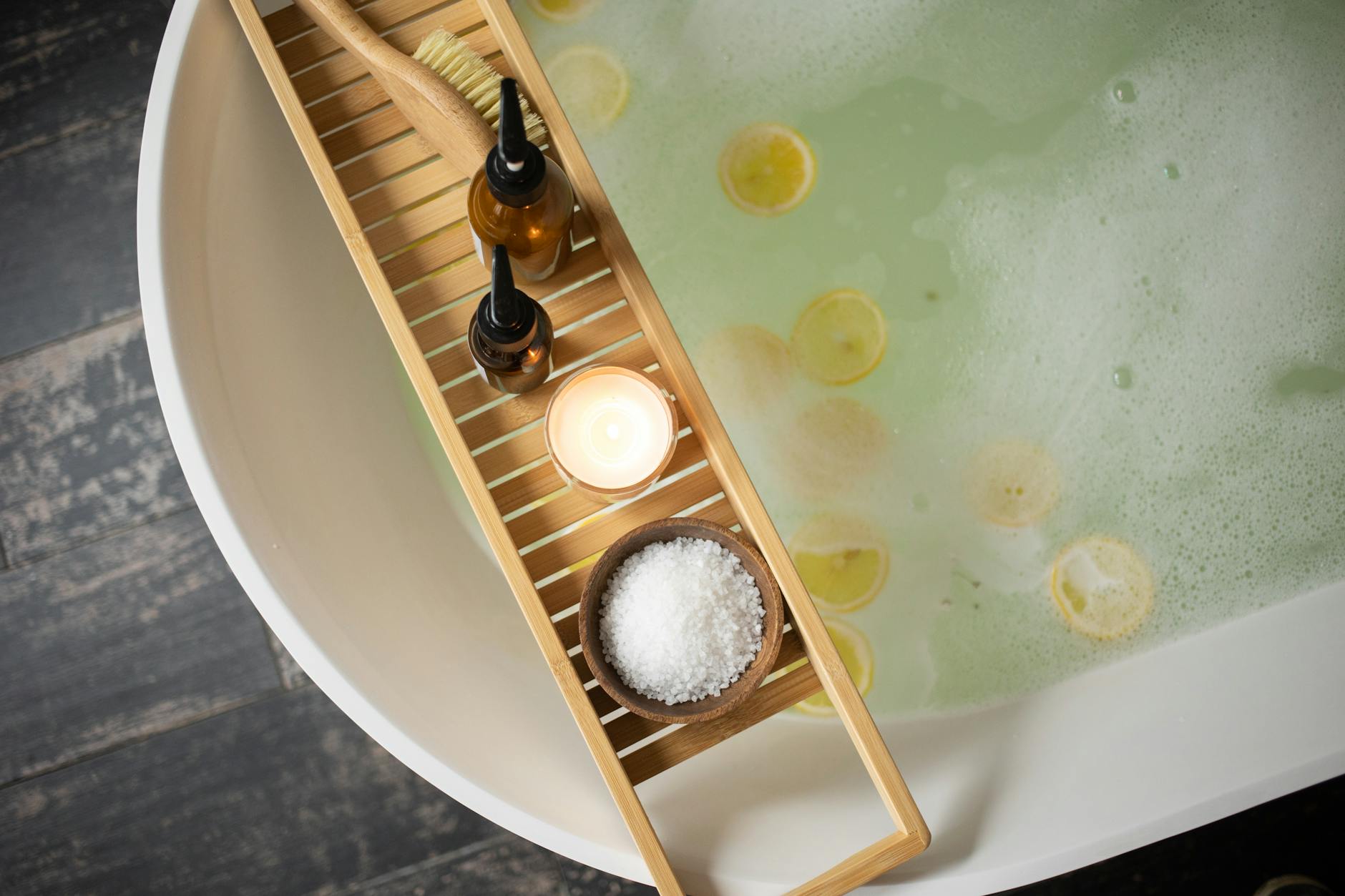
Discover how to use essential oils like lavender, lemon, and eucalyptus in your bath to promote relaxation, improve mood, and soothe muscles. Learn safe dilution methods and precautions for a rejuvenating experience.
April 1, 2026

Discover the ancient 5 Tibetan Rites, a sequence of five exercises believed to restore youth and vitality. Learn how to perform each rite and unlock its benefits for energy, sleep, and well-being.
April 1, 2026

Discover the art of circular breathing, a technique that allows continuous sound and breath. Learn how singers, musicians, and meditators can master this skill for enhanced performance and deeper relaxation. Includes practice steps and benefits.
April 1, 2026