

Emergency & Help
24/7 Emergency & General Advisory
🚨 24/7 Medical Emergency
Non-Emergency Advisory
10:00 AM – 6:00 PM, Mon–Sat
For appointments & general queries.
24/7 Emergency & General Advisory
🚨 24/7 Medical Emergency
Non-Emergency Advisory
10:00 AM – 6:00 PM, Mon–Sat
For appointments & general queries.
Discover a gentle yoga flow designed to calm your mind and alleviate anxiety. Learn simple poses and breathing techniques for instant relief and long-term well-being.
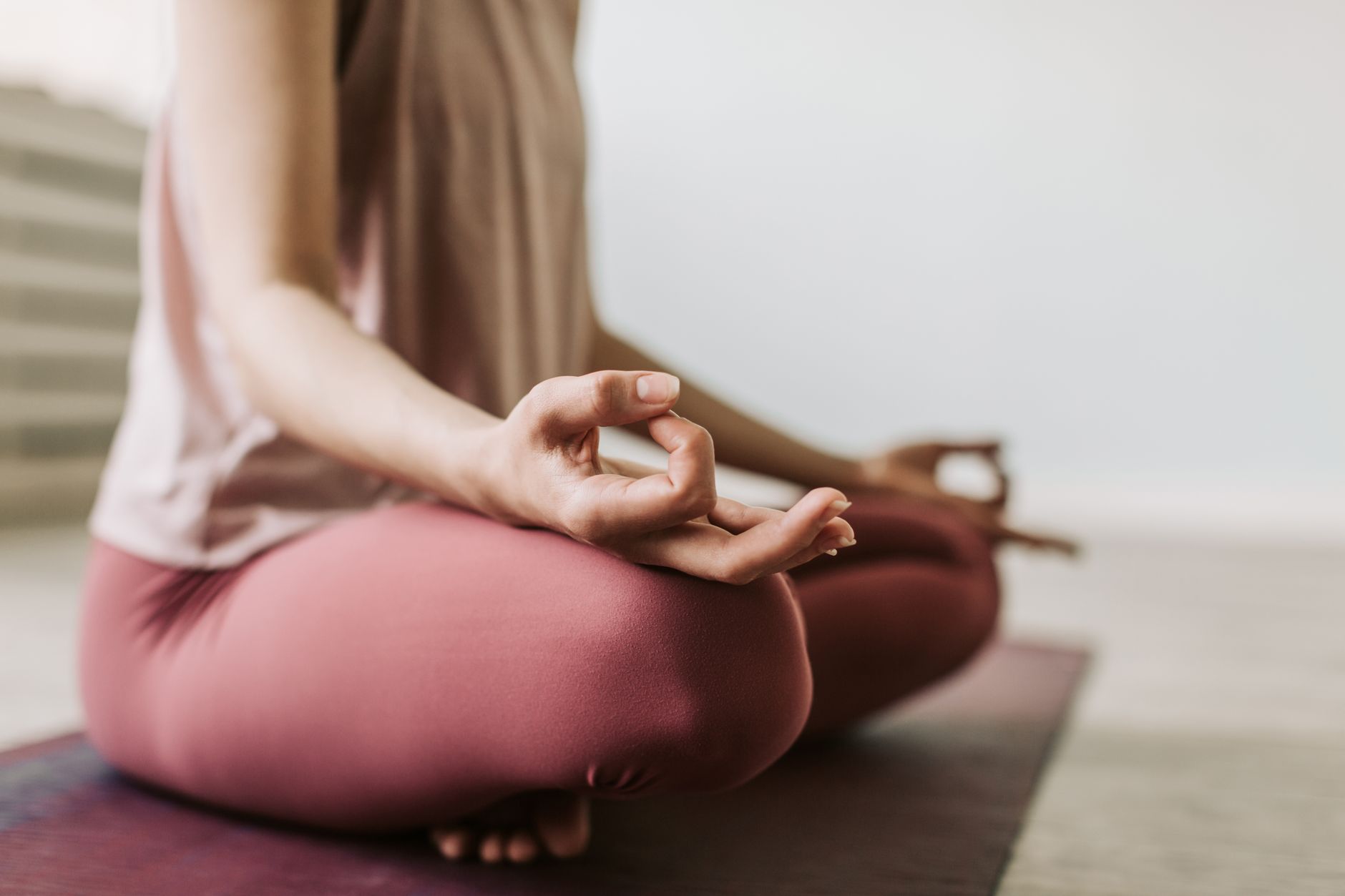
In today's fast-paced world, anxiety has become a common companion for many. The constant pressure, the endless to-do lists, and the uncertainties of life can leave us feeling overwhelmed and stressed. While professional help is crucial for managing anxiety, incorporating simple yet effective practices into our daily routine can make a significant difference. Yoga, an ancient Indian practice, offers a holistic approach to well-being, combining physical postures, breath control, and meditation to calm the mind and soothe the body. This article introduces a gentle yoga flow specifically designed to alleviate anxiety, making it accessible even for beginners. Understanding Anxiety and the Role of Yoga Anxiety is more than just a feeling of worry or fear. It's a complex emotional and physical response that can manifest in various ways, including racing thoughts, a pounding heart, shortness of breath, muscle tension, and difficulty concentrating. Chronic anxiety can significantly impact one's quality of life, affecting relationships, work, and overall health. Yoga works by activating the parasympathetic nervous system, often referred to as the 'rest and digest' system. This counteracts the 'fight or flight' response triggered by stress and anxiety, promoting a sense of calm and relaxation. The mindful movement and focused breathing in yoga help to ground you in the present moment, reducing rumination on past events or future worries. Preparing for Your Yoga Session Before you begin, find a quiet and comfortable space where you won't be disturbed. Wear loose, comfortable clothing that allows for easy movement. You'll need a yoga mat for cushioning and support. It's advisable to practice on an empty stomach or at least two hours after a meal. Listen to your body throughout the practice; there should be no pain, only gentle stretching. If you have any pre-existing health conditions, consult your doctor before starting any new exercise program. A Gentle Yoga Flow for Anxiety Relief This flow is designed to be calming and restorative. Hold each pose for 5-10 breaths, focusing on deep, even breaths. Move slowly and mindfully between poses. 1. Sukhasana (Easy Pose) with Deep Breathing Start by sitting cross-legged on your mat. Rest your hands on your knees, palms facing up or down. Close your eyes and take a few moments to settle in. Begin to deepen your breath, inhaling through your nose and exhaling through your nose. Focus on lengthening your inhales and exhales. This pose helps to ground you and bring awareness to your breath. 2. Marjaryasana-Bitilasana (Cat-Cow Pose) Come onto your hands and knees, with your wrists directly under your shoulders and your knees directly under your hips. As you inhale, drop your belly, arch your back, and lift your gaze (Cow Pose). As you exhale, round your spine, tuck your chin to your chest, and draw your navel towards your spine (Cat Pose). Flow between these two poses, coordinating your breath with the movement. This gentle spinal movement releases tension in the back and neck. 3. Balasana (Child's Pose) From your hands and knees, bring your big toes to touch and widen your knees. Sit your hips back towards your heels and fold your torso forward, resting your forehead on the mat. Extend your arms forward or rest them alongside your body. Allow your body to feel heavy and supported by the mat. This pose is deeply restorative and calming, encouraging introspection. 4. Adho Mukha Svanasana (Downward-Facing Dog) From Child's Pose, lift your hips up and back, coming into an inverted V-shape. Spread your fingers wide, press firmly through your palms, and let your head hang loosely between your arms. You can keep a slight bend in your knees if your hamstrings are tight. This pose helps to relieve stress and mild depression, energizes the body, and can calm the brain. 5. Tadasana (Mountain Pose) with Arm Raises From Downward-Facing Dog, walk your feet forward to meet your hands and slowly roll up to standing in Mountain Pose. Stand with your feet hip-width apart or together, grounding through all four corners of your feet. Inhale and sweep your arms overhead, interlacing your fingers and pressing your palms towards the ceiling. Exhale and release your arms back down. Repeat this a few times, feeling the energy rise and fall with your breath. This pose builds stability and self-awareness. 6. Virabhadrasana II (Warrior II) Step your left foot back about 3-4 feet, turning your left foot out slightly. Align your right heel with the arch of your left foot. Bend your right knee so it’s directly over your ankle, keeping your thigh parallel to the floor. Extend your arms out to the sides, parallel to the floor, gazing over your right fingertips. Hold for a few breaths, then switch sides. Warrior II builds strength and confidence, and it can help to release pent-up tension. 7. Viparita Virabhadrasana (Reverse Warrior) From Warrior II, keep your front knee bent. Inhale and sweep your right arm up and overhead, resting your left hand gently on your back leg. Feel a gentle stretch along your right side. Exhale and return to Warrior II. Repeat on the other side. This pose opens the chest and lungs, promoting a sense of spaciousness and ease. 8. Paschimottanasana (Seated Forward Bend) Sit on your mat with your legs extended straight in front of you. Inhale and lengthen your spine. As you exhale, hinge at your hips and fold forward, reaching towards your feet. You can rest your hands on your shins, ankles, or feet. Keep a slight bend in your knees if needed. This pose calms the brain and helps relieve stress and mild depression. 9. Supta Baddha Konasana (Reclining Bound Angle Pose) Lie down on your back. Bring the soles of your feet together and let your knees fall open to the sides. You can place pillows or blocks under your knees for support. Rest your arms by your sides, palms facing up, or place one hand on your heart and the other on your belly. Allow your body to relax completely. This pose is deeply relaxing and opens the hips, which can store emotional tension. 10. Savasana (Corpse Pose) Extend your legs long on the mat, letting your feet fall open naturally. Rest your arms by your sides, palms facing up. Close your eyes and allow your entire body to relax. Release any remaining tension. Focus on your breath and simply be present. Stay here for at least 5-10 minutes. Savasana is crucial for integrating the benefits of the practice and allowing the nervous system to fully reset. The Power of Breath (Pranayama) Throughout this flow, and in your daily life, conscious breathing is a powerful tool against anxiety. Simple techniques like diaphragmatic breathing (belly breathing) and alternate nostril breathing (Nadi Shodhana) can significantly calm the nervous system. When you feel anxious, take a moment to focus on your breath. Inhale deeply through your nose, feeling your belly expand, and exhale slowly through your mouth or nose. This simple act can interrupt the anxiety cycle. When to Consult a Doctor While yoga can be a wonderful complementary practice for managing anxiety, it's essential to seek professional medical advice if your anxiety is severe, persistent, or interfering with your daily life. Symptoms such as: Intense and persistent worry Panic attacks Difficulty functioning in daily activities Physical symptoms like chest pain, shortness of breath, or dizziness Thoughts of self-harm require immediate attention from a healthcare professional. A doctor can provide an accurate diagnosis and recommend appropriate treatment, which may include therapy, medication, or a combination of approaches. Yoga should be seen as a supportive tool within a comprehensive treatment plan. Frequently Asked Questions (FAQ) 1. Can yoga really help with anxiety? Yes, yoga can be very effective in managing anxiety. It helps to calm the nervous system, reduce stress hormones, and promote relaxation through physical postures, breathwork, and mindfulness. 2. How often should I practice yoga for anxiety relief? Aim for consistency. Practicing this gentle flow daily or several times a week can yield the best results. Even 15-20 minutes can make a difference. 3. I'm not flexible. Can I still do yoga for anxiety? Absolutely! This flow is designed for beginners and emphasizes gentle movement and breath. Modifications can be made, and the focus is on how the poses feel, not how they look. Listen to your body and avoid pushing into pain. 4. What if I can't do a pose? It's perfectly okay! Modify poses as needed. For example, use props like blankets or blocks for support, or skip a pose if it doesn't feel right. The goal is to create a sense of ease and calm, not to achieve perfect form. 5. Besides yoga, what else can help with anxiety? Other helpful strategies include regular exercise, a balanced diet, sufficient sleep, mindfulness meditation, spending time in nature, and seeking support from friends, family, or a therapist. Conclusion Incorporating a gentle yoga flow into your routine can be a powerful and accessible way to manage anxiety and cultivate inner peace. By connecting with your breath and body, you
In summary, timely diagnosis, evidence-based treatment, and prevention-focused care improve long-term health outcomes.
Visit Hospital
Near You
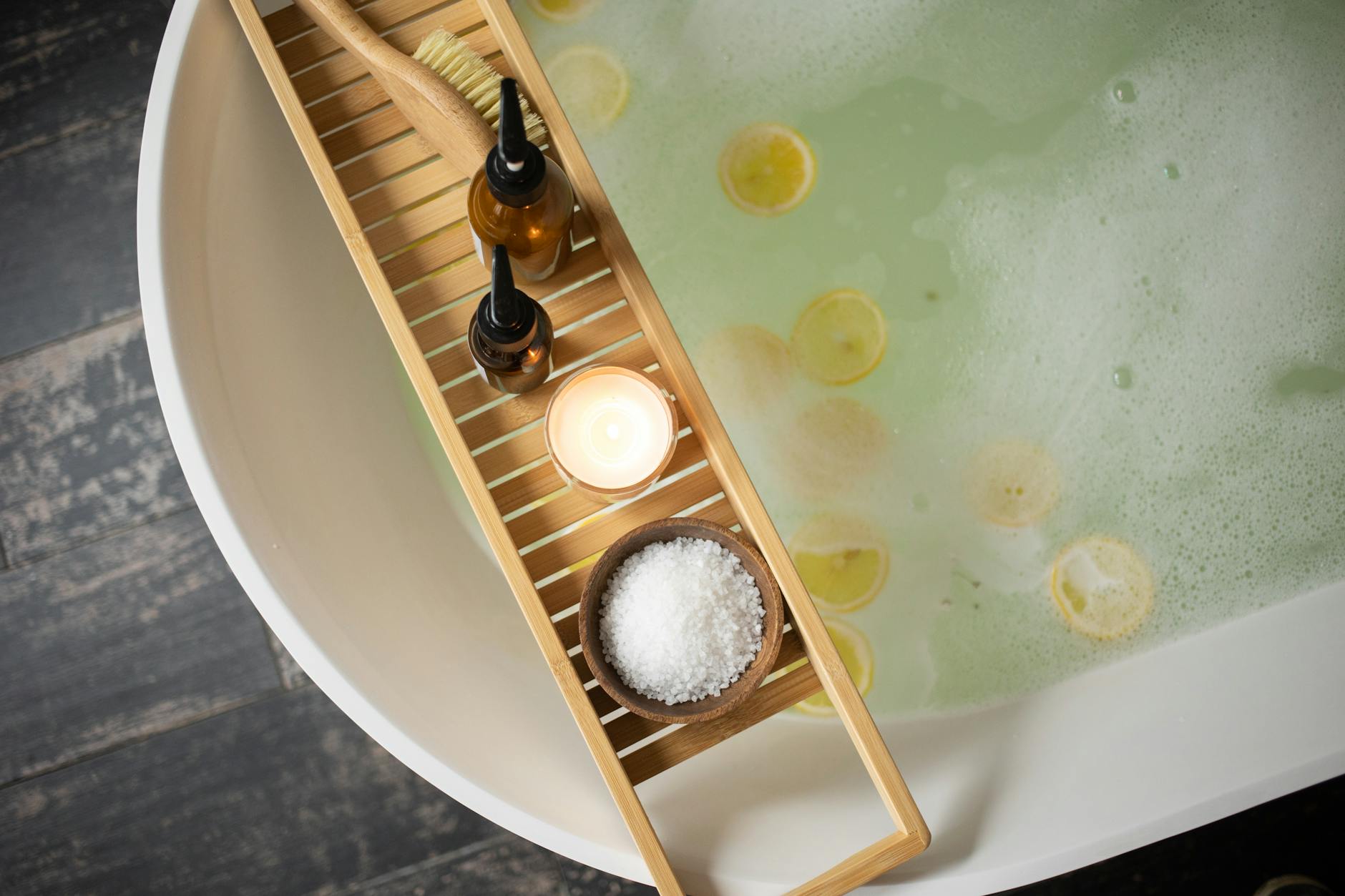
Discover how to use essential oils like lavender, lemon, and eucalyptus in your bath to promote relaxation, improve mood, and soothe muscles. Learn safe dilution methods and precautions for a rejuvenating experience.
April 1, 2026

Discover the ancient 5 Tibetan Rites, a sequence of five exercises believed to restore youth and vitality. Learn how to perform each rite and unlock its benefits for energy, sleep, and well-being.
April 1, 2026

Discover the art of circular breathing, a technique that allows continuous sound and breath. Learn how singers, musicians, and meditators can master this skill for enhanced performance and deeper relaxation. Includes practice steps and benefits.
April 1, 2026